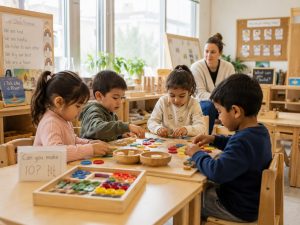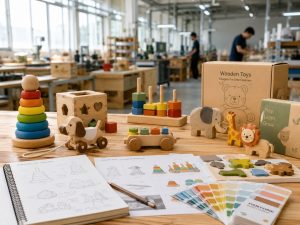
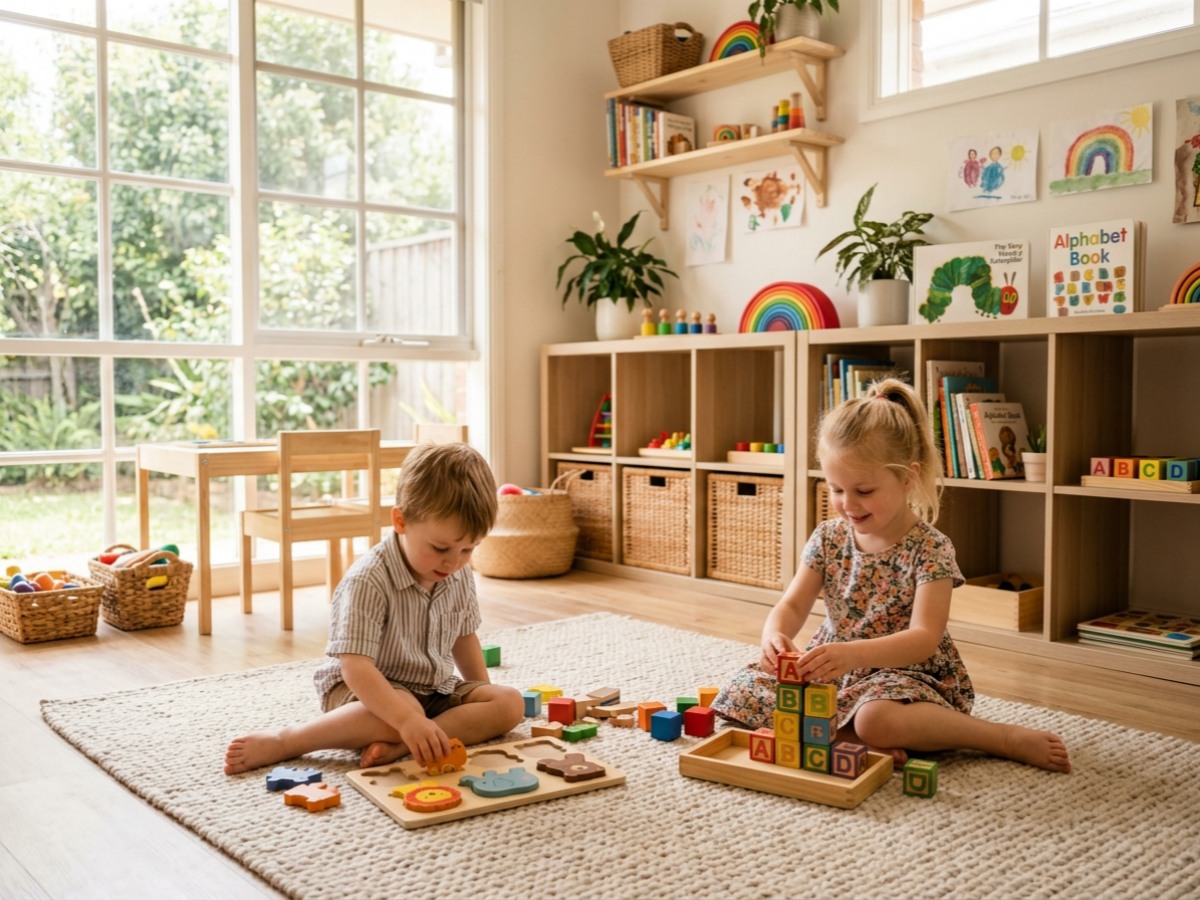
Parents and educators have become increasingly aware that play does far more than simply keep children engaged. During the early years, everyday activities such as matching shapes, recognizing colors, and fitting pieces together help children make sense of the world around them. This growing understanding has made Puzzle Toys an increasingly important part of early learning environments.
Evidence from developmental psychology suggests that hands-on experiences support the development of memory, language, and problem-solving abilities. At the same time, changing consumer preferences have contributed to rising demand for educational puzzle toys for preschoolers, Montessori learning materials, and other cognitive development toys. As a result, Puzzle Toys have evolved from traditional playthings into products valued by families, educators, and retailers alike.
How Puzzle Toys Support Brain Development
Researchers have noted that children learn best when they are actively involved in exploration. Unlike passive entertainment, puzzle-based activities require young learners to observe, compare, and experiment with different possibilities before reaching a solution.
Findings published in child development studies suggest that repeated problem-solving experiences contribute to stronger visual perception and spatial reasoning skills. These abilities form part of the foundation for later learning in mathematics, science, and language.
For this reason, many educators consider Puzzle Toys and other STEM learning toys valuable tools for supporting early cognitive development. Whether children are identifying animal shapes or arranging numbers in sequence, they are practicing essential thinking skills in a natural and enjoyable way.
Data collected by early childhood specialists indicate that children who engage in structured hands-on activities tend to demonstrate stronger concentration and cognitive flexibility during the preschool years.
The Connection Between Puzzle Toys and Fine Motor Development
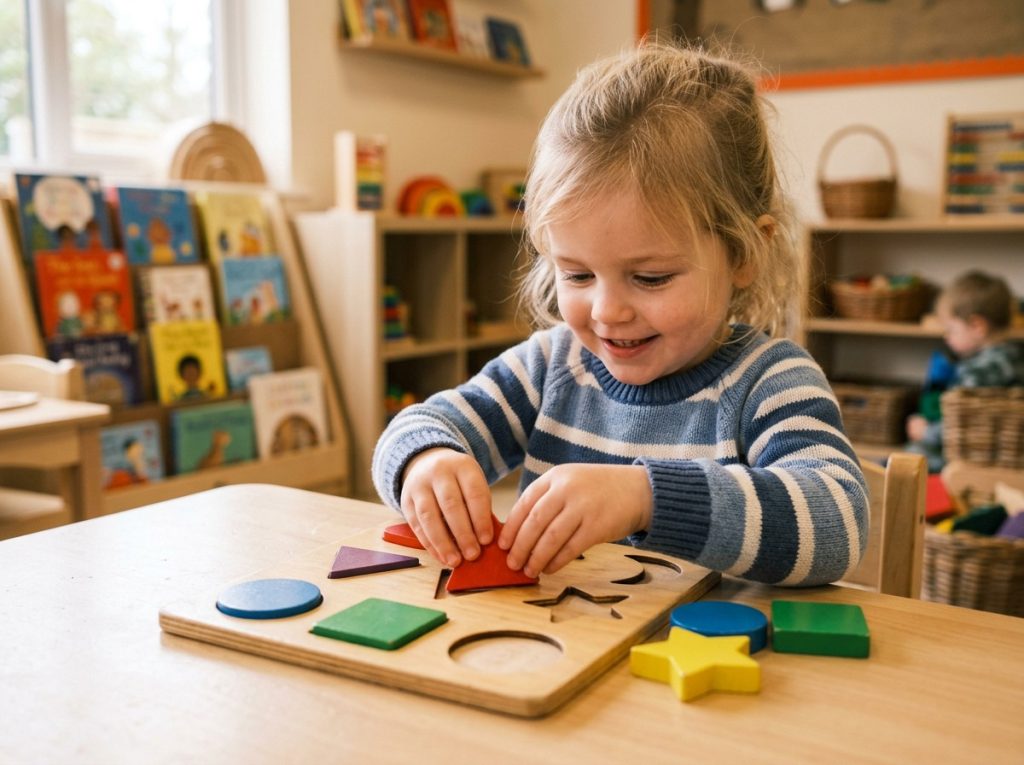
Fine motor skills are closely linked to many daily activities, including writing, drawing, and dressing independently. Because puzzles involve grasping, rotating, and positioning pieces, they encourage children to coordinate hand movements with visual information.
Early childhood specialists have observed that repeated manipulation of objects helps strengthen finger muscles and improve hand-eye coordination. These experiences are especially important during the first few years, when sensory systems and motor control are developing rapidly.
Compared with screen-based entertainment, physical activities offer more opportunities for children to interact with three-dimensional objects. This explains why Montessori puzzle toys continue to be widely used in classrooms and home learning environments.
Sensory Play Supports Physical Development
In addition to improving coordination, puzzle activities expose children to different textures, colors, and shapes. Such sensory play experiences help young learners develop a better understanding of their surroundings while encouraging curiosity and exploration.
According to developmental experts, fine motor skills activities that involve active participation often create richer learning experiences than passive forms of play.
How Interactive Play Helps Children Develop Language Skills
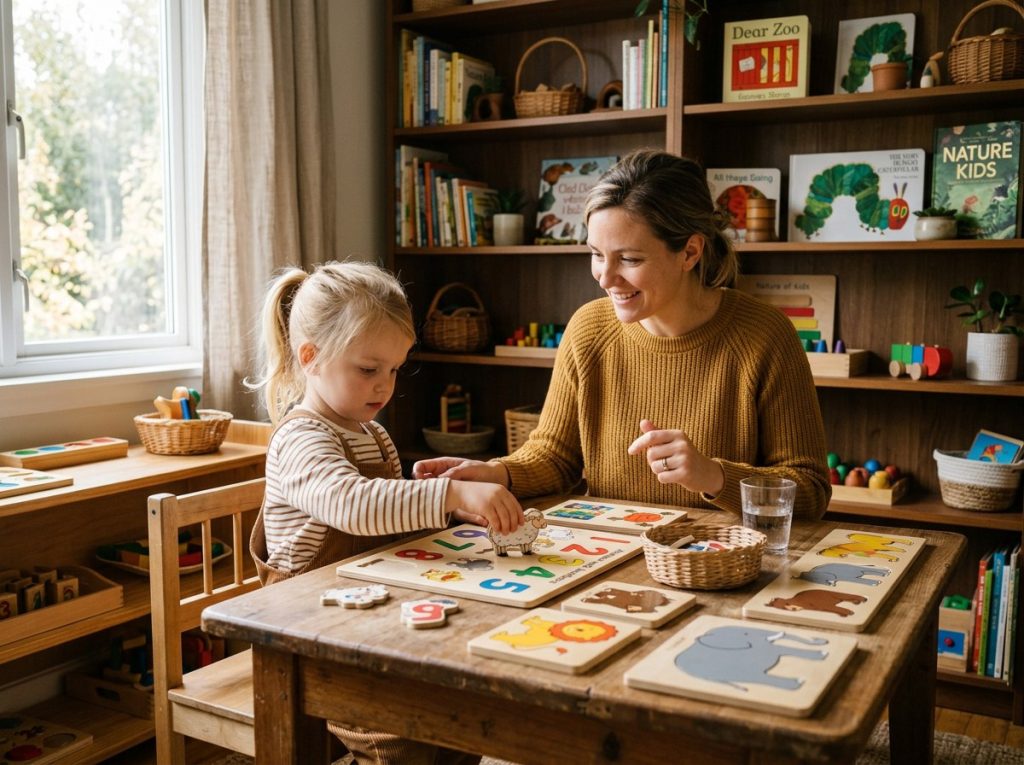
Language development often happens naturally when children play with adults or peers. During puzzle sessions, parents and teachers tend to introduce new vocabulary while describing animals, numbers, colors, and everyday objects. These conversations gradually help children connect words with concepts.
Researchers have also found that guided play environments promote stronger communication skills than activities that rely solely on visual stimulation. As children explain what they see and ask questions about unfamiliar objects, they gain confidence in expressing themselves.
Social Interaction Creates Additional Learning Opportunities
Puzzle play encourages cooperation and communication. Simple exchanges such as asking for help or discussing where a piece belongs provide opportunities for children to practice listening and speaking skills.
“Play is often talked about as if it were a relief from serious learning. But for children, play is serious learning.”
— Fred Rogers
This combination of physical interaction and verbal communication helps create a learning experience that extends beyond entertainment.
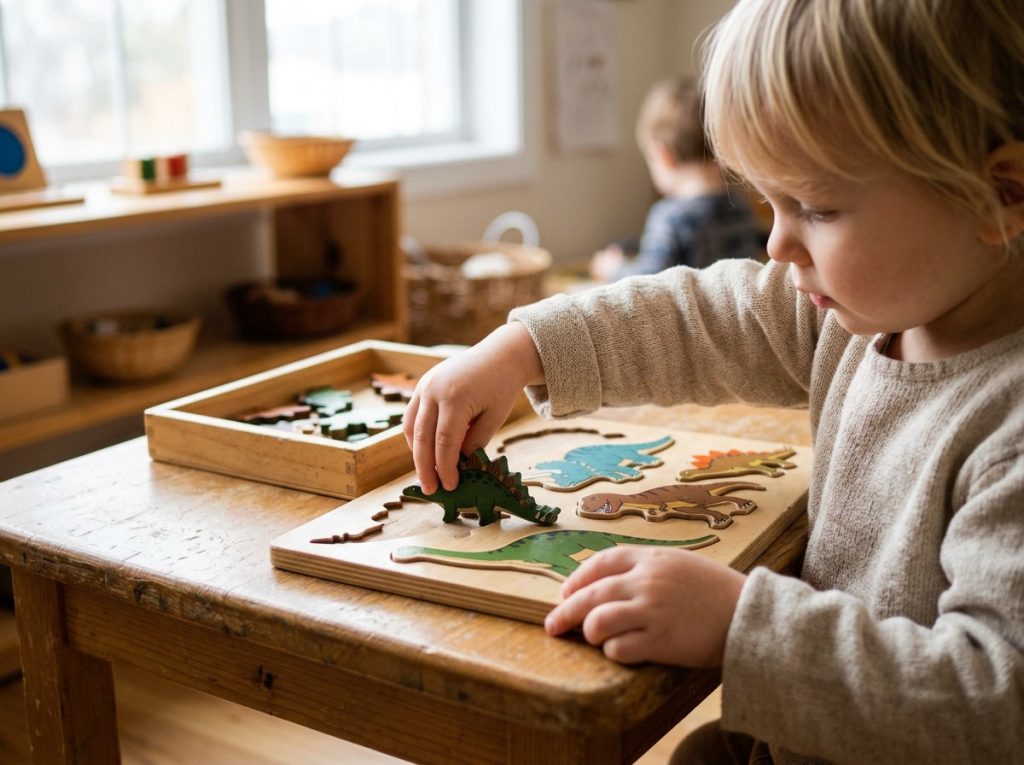
Building Problem-Solving Skills Through Puzzle Toys
One reason many educators value Puzzle Toys is their ability to encourage perseverance. Completing a puzzle rarely happens instantly. Instead, children learn through observation, experimentation, and repeated attempts.
Evidence from developmental psychology suggests that overcoming manageable challenges helps children develop resilience and confidence. Over time, these experiences contribute to stronger executive functioning skills associated with planning and independent thinking.
Several behaviors frequently emerge during puzzle play:
- Greater patience when facing challenges.
- Increased focus on completing tasks.
- More confidence in exploring solutions independently.
- Improved ability to learn through trial and error.
These qualities are increasingly emphasized within Montessori and STEM-based educational approaches.
Choosing Puzzle Toys for Different Stages of Development
Children’s interests and abilities change rapidly during the first five years. Selecting products that match their developmental stage helps maintain engagement while providing appropriate levels of challenge.
| Age Range | Recommended Features | Typical Piece Count |
| 12–24 months | Large knob puzzles and basic shapes | 3–6 pieces |
| 2–3 years | Animal and vehicle themes | 6–12 pieces |
| 3–4 years | Alphabet and number puzzles | 12–24 pieces |
| 4–5 years | Layered and sequencing puzzles | 24–48 pieces |
For example, wooden puzzle toys for toddlers designed for children aged two to three years often feature pieces measuring approximately 5 cm in width, making them easier for small hands to grasp. More advanced layered puzzles containing around 24 pieces can introduce sequencing concepts while gradually increasing complexity.
Why Puzzle Toys Create Opportunities for Educational Brands
Industry reports indicate that educational toys remain one of the fastest-growing categories within the global toy market. Increasing awareness of early childhood development has encouraged parents to prioritize products that combine learning value with engaging play experiences.
From a commercial perspective, buyers are paying closer attention to age-appropriate designs, educational themes, and opportunities for product customization. Collections featuring animals, alphabets, transportation themes, or life cycles are particularly popular among retailers and early learning institutions.
Features Buyers Frequently Prioritize
Manufacturers and distributors often find that customers are interested in:
- Progressive difficulty levels.
- Montessori-inspired learning concepts.
- Themed educational collections.
- Custom packaging and private-label options.
These trends suggest that thoughtfully designed Puzzle Toys are likely to remain an important category within the educational toy industry.
Frequently Asked Questions About Puzzle Toys
At what age can children start using puzzle toys?
Many children begin interacting with simple puzzles between 12 and 18 months. Products designed for this stage typically feature large pieces and basic shapes that help develop early hand-eye coordination and shape recognition skills.
Are wooden puzzle toys better than plastic alternatives?
Both materials have their advantages. Wooden puzzle toys for toddlers are often chosen for their durability and tactile feel, while plastic options may offer bright colors and lightweight designs. The most important factor is whether the puzzle matches the child’s developmental stage and learning objectives.
How do puzzle toys help with cognitive development?
Research suggests that puzzle-solving activities support memory, spatial awareness, and logical thinking. Because children need to analyze shapes and relationships, Puzzle Toys are widely recognized as effective cognitive development toys and problem-solving toys for kids.
Why are Montessori puzzle toys popular?
Montessori puzzle toys emphasize independent learning and hands-on exploration. Their designs encourage children to discover solutions through experience rather than relying on direct instruction, which aligns closely with Montessori educational principles.
Conclusion
As understanding of early childhood development continues to evolve, the role of Puzzle Toys extends far beyond entertainment. Research findings and changing consumer preferences both point toward growing demand for products that combine play with meaningful learning experiences.
From supporting cognitive growth and fine motor development to encouraging language acquisition and independent thinking, puzzle-based activities provide benefits that align closely with modern educational philosophies. At the same time, increasing interest in educational products has created new opportunities for brands, distributors, and early learning institutions seeking differentiated solutions.
The evidence increasingly suggests that Puzzle Toys, including Montessori puzzle toys and other cognitive development toys, will continue to play an important role in early education. For businesses looking to build long-term value, investing in thoughtfully designed learning collections may provide a strong foundation for sustainable growth and stronger partnerships across the global market.