The global toy industry has undergone significant changes over the past decade. Research shows that parents are placing greater emphasis on learning value, hands-on interaction, and age-specific developmental benefits when selecting toys. At the same time, retailers and distributors are searching for ways to differentiate themselves in highly competitive markets.
Against this backdrop, Private Label Educational Toys are attracting increasing attention worldwide. Rather than relying solely on established brands, more businesses are investing in custom educational toys to create exclusive product lines and strengthen brand recognition. Data indicates that the educational toy market is expected to maintain steady growth, creating opportunities for wholesalers, importers, and e-commerce sellers.
Why Are Private Label Educational Toys Becoming More Popular Worldwide?
Several factors are contributing to the increasing popularity of Private Label Educational Toys. Educational toys are no longer viewed simply as entertainment products. Instead, consumers are paying closer attention to how toys contribute to creativity, logical thinking, and early learning experiences.
Research suggests that screen-free activities and STEM-related products continue to enjoy strong demand. Meanwhile, the development of cross-border e-commerce has enabled retailers to introduce niche products to wider audiences.
The Rise of STEM Learning Products
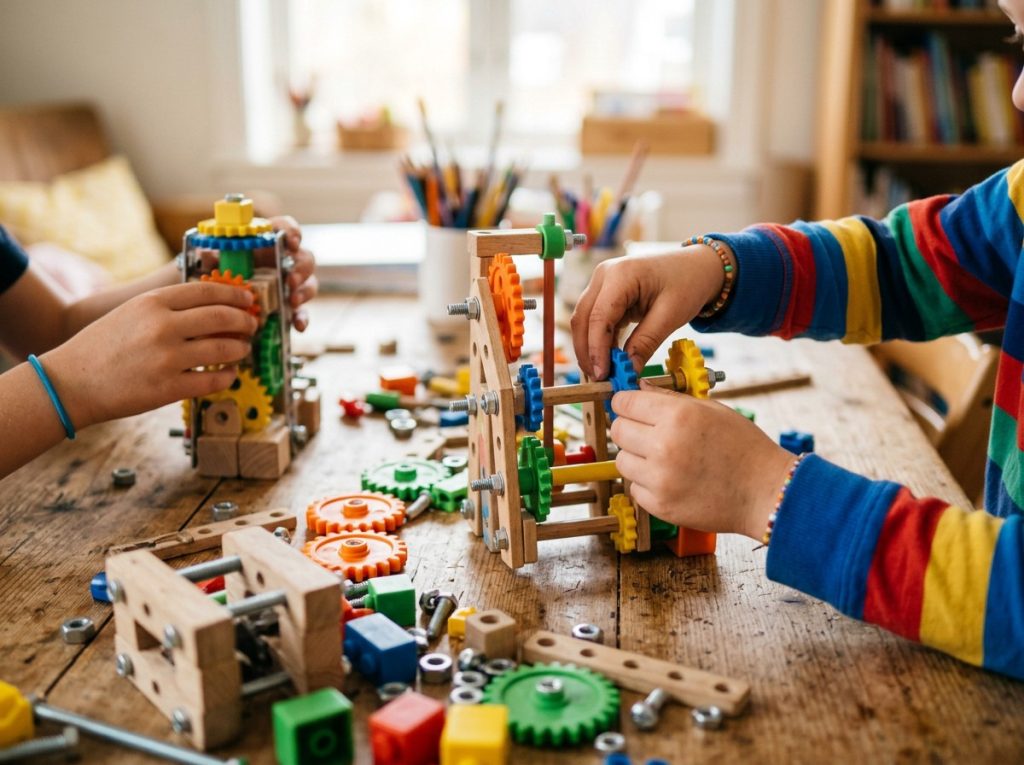
One noticeable trend is the growing interest in STEM learning toys. Products involving construction, engineering concepts, and problem-solving activities have become increasingly popular among families seeking engaging educational experiences.
For example, magnetic building sets containing 60 to 100 geometric pieces are commonly designed to encourage creativity and spatial awareness. Science kits and coding games are also becoming important segments within the educational toy market.
Growing Demand for Montessori Toys
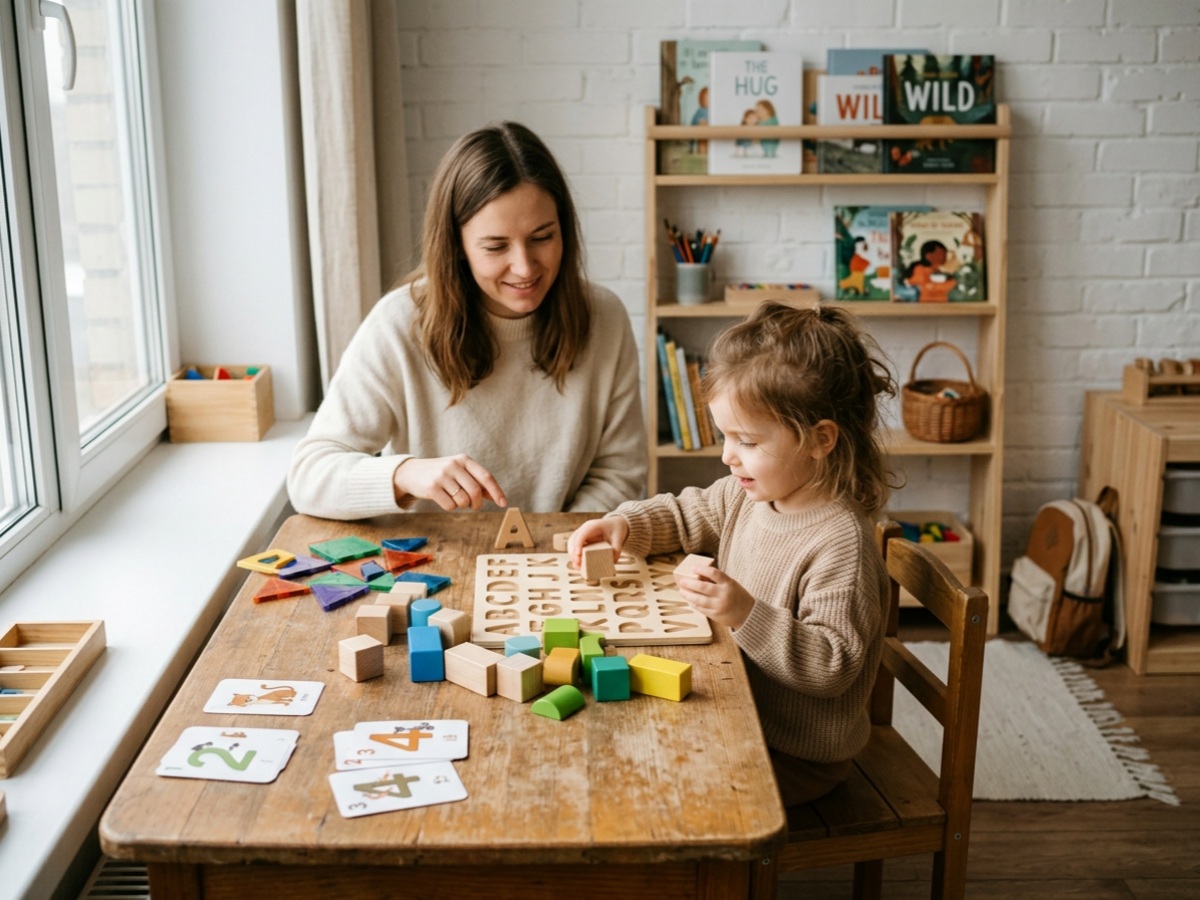
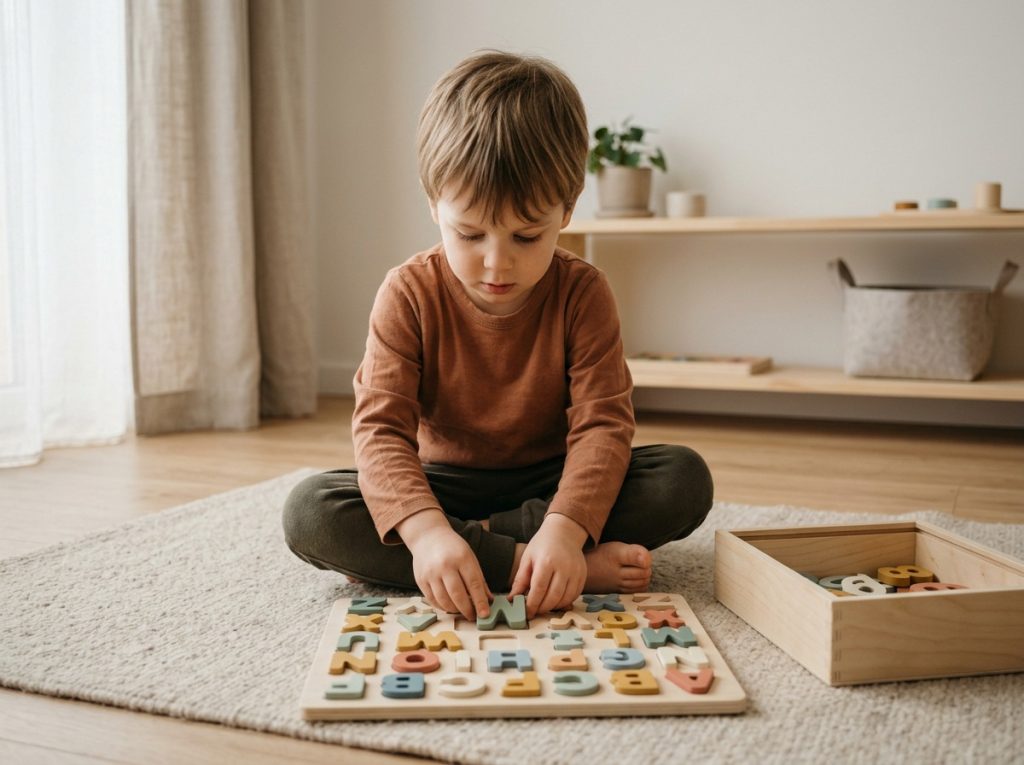
Montessori-inspired products are another important growth driver behind Private Label Educational Toys. Wooden alphabet boards intended for children aged 3–5 years often include 26 uppercase letters and several activity cards that encourage vocabulary development and letter recognition.
Instead of following short-term trends, many retailers are introducing private label Montessori toys to establish product categories with long-term demand.
Research shows that educational toys combining active participation with age-appropriate learning objectives continue to outperform many traditional toy categories in terms of long-term market growth.
How Private Label Educational Toys Help Brands Build Competitive Advantages
One of the major advantages of Private Label Educational Toys is the ability to establish brand ownership. Unlike generic products available from multiple sellers, private label collections enable businesses to create distinctive identities and cultivate stronger customer loyalty.
Customization extends far beyond logo placement. Packaging styles, instruction manuals, color combinations, and accessory configurations can all be adjusted to suit different market preferences.
Customization Creates Brand Identity
Exclusive products have become increasingly valuable in today’s retail environment. Data indicates that businesses with customized product collections are generally less affected by price competition.
Products featuring localized instructions and distinctive packaging often help companies strengthen customer recognition and improve brand value over time.
| Comparison Factors | Traditional Brands | Private Label Educational Toys |
| Brand Ownership | External brands | Your own brand |
| Product Differentiation | Moderate | Strong |
| Packaging Flexibility | Limited | Highly customizable |
| Customer Loyalty | Shared | Brand-specific |
| Pricing Strategy | Restricted | More flexible |
Private Label Solutions for E-commerce Sellers
The rapid growth of online retail has created new opportunities for customized educational products. E-commerce sellers frequently face intense competition when offering products that are widely available across multiple platforms.
Private label solutions help businesses develop exclusive product lines, support long-term branding strategies, and encourage repeat purchases.
Why Innovation Is Driving Growth in Private Label Educational Toys
Innovation has become another important factor supporting the expansion of Private Label Educational Toys. Different regions often have unique educational philosophies and consumer preferences, making customization increasingly valuable.
Rather than relying exclusively on standardized collections, manufacturers are developing products tailored to specific markets.
Combining STEM and Montessori Concepts
Research shows that combining STEM concepts with Montessori learning principles can create products that appeal to modern families. As a result, many manufacturers are integrating these approaches into new product designs.
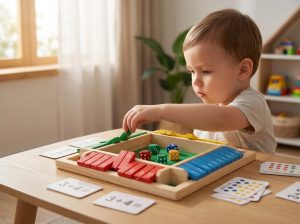
Wooden counting toys developed for children aged 3–6 years may include 20 number blocks and 10 arithmetic cards that encourage early mathematical understanding. Busy boards containing multiple locks, gears, and switches are also becoming popular because they support sensory exploration and fine motor development.
Faster Time-to-Market Matters
In a rapidly changing market, speed is becoming increasingly important. Businesses capable of introducing new collections quickly often gain competitive advantages.
Manufacturers offering rapid sample development, customized packaging, and flexible production schedules are helping brands respond more efficiently to seasonal trends and evolving consumer preferences.
How Supply Chain Flexibility Improves Private Label Educational Toys Projects
Research within the toy industry suggests that supply chain responsiveness has become nearly as important as product quality. Retailers are increasingly seeking manufacturing partners capable of supporting projects from concept development to finished packaging.
Flexible production capabilities help brands reduce inventory risks and launch products more efficiently.
Exclusive Product Development
Customized accessories and exclusive molds enable companies to avoid direct competition with similar products already available in the market. This approach allows brands to establish stronger identities and improve customer recognition.
Seasonal and Regional Adaptation
Some educational toy collections are designed specifically for holiday promotions or local educational programs. Such adaptability enables businesses to remain relevant and respond quickly to changing market requirements.
Why Retailers and Distributors Prefer Private Label Educational Toys
Objective market indicators suggest that Private Label Educational Toys are increasingly viewed as strategic assets rather than alternatives to traditional brands.
Wholesalers, importers, and distributors appreciate the ability to control pricing strategies, product positioning, and brand communication. Over time, these advantages contribute to stronger customer relationships and higher repeat purchase rates.
Building Long-Term Brand Value
Successful brands are paying more attention to storytelling and customer engagement. Through customized packaging and carefully designed product concepts, companies can communicate their educational philosophy and establish stronger emotional connections with consumers.
As a result, customer loyalty is becoming an increasingly important source of competitive advantage.
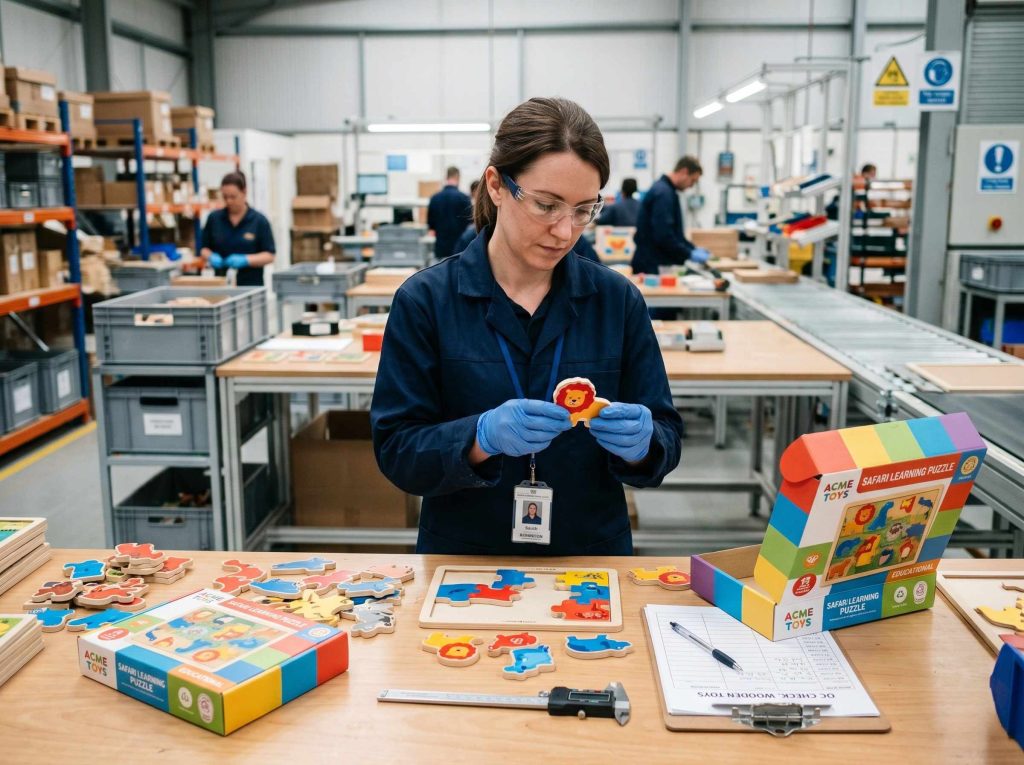
How to Choose a Reliable Private Label Educational Toys Manufacturer
Selecting the right manufacturing partner is one of the most important decisions for companies entering the educational toy industry.
Production Capabilities Matter
Experienced OEM educational toy manufacturers are generally capable of supporting multiple production processes and maintaining stable output capacity. Some factories operate more than 20 injection molding machines and achieve monthly production capacities exceeding 100,000 sets.
These capabilities help ensure consistent delivery schedules and reliable product quality.
Compliance Support Is Essential
Different markets require different standards. Educational toys exported to Europe and North America are often expected to comply with EN71, ASTM F963, and CPSIA requirements.
Manufacturers with extensive export experience are usually better prepared to provide documentation and testing support throughout the project.
Packaging and OEM Services
Reliable educational toy suppliers typically offer more than manufacturing services. Custom logo printing, gift box design, instruction manual development, barcode labeling, and packaging optimization can simplify project management and accelerate product launches.
Research suggests that businesses working closely with experienced OEM and ODM partners often achieve greater flexibility and stronger long-term competitiveness.
Case Example: How Customized Educational Toys Helped a Brand Expand
A European retailer introduced a collection of custom wooden counting toys designed for children aged 3–6 years. Rather than selling generic products, the company developed exclusive packaging and localized instruction manuals to strengthen its brand identity.
Over time, the retailer expanded its online sales channels and improved repeat purchase rates. Although market conditions vary, this example illustrates how Private Label Educational Toys can support sustainable growth and reduce direct price competition.
Future Trends of Private Label Educational Toys
Industry research indicates that several emerging trends are likely to influence the future development of Private Label Educational Toys.
Sustainable and Responsible Manufacturing
Consumers are paying increasing attention to responsible sourcing and product durability. Manufacturers are responding by optimizing production processes and improving packaging efficiency to reduce material waste.
Interactive Learning Experiences
Products that combine traditional hands-on play with interactive learning concepts are becoming increasingly popular. Educational games that encourage creativity and collaboration are expected to maintain strong market demand.
Growing Opportunities in Cross-Border E-commerce
The expansion of international e-commerce platforms is creating additional opportunities for brands seeking to reach global consumers. Customized educational products are particularly well positioned to benefit from this trend.
Frequently Asked Questions About Private Label Educational Toys
What are Private Label Educational Toys?
Private label educational toys are products manufactured by one company and sold under another company’s brand name. They enable businesses to create unique product collections and strengthen brand identity.
What is the difference between OEM educational toys and private label toys?
OEM educational toys focus primarily on manufacturing according to customer specifications, while private label solutions involve products marketed under the buyer’s own brand.
Are private label Montessori toys suitable for online retailers?
Yes. Many e-commerce sellers choose private label Montessori toys because exclusive products help reduce direct competition and support long-term brand development.
How do I find a reliable educational toy supplier?
Businesses should evaluate production capabilities, export experience, quality control procedures, and customization services when selecting a supplier.
Conclusion
Research findings and market trends collectively indicate that the growing popularity of Private Label Educational Toys is closely linked to changing consumer expectations, increasing demand for differentiated products, and the desire among businesses to establish independent brands.
Although traditional toy brands continue to occupy important positions within the market, objective data suggests that private label solutions provide distinct advantages in terms of flexibility, exclusivity, and long-term brand development. For wholesalers, distributors, and retailers seeking sustainable growth, customized educational toys offer opportunities to strengthen brand value and respond more effectively to evolving market demands.
If you are looking for a reliable Private Label Educational Toys manufacturer, working with an experienced OEM and ODM partner can help you develop products that align with your market requirements and brand positioning. From concept development and packaging design to production and compliance support, the right supplier can create long-term advantages in an increasingly competitive industry.