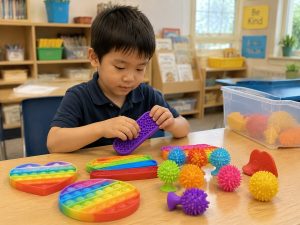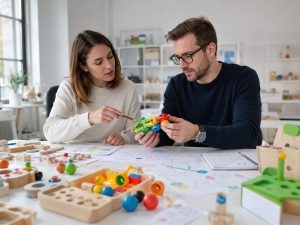
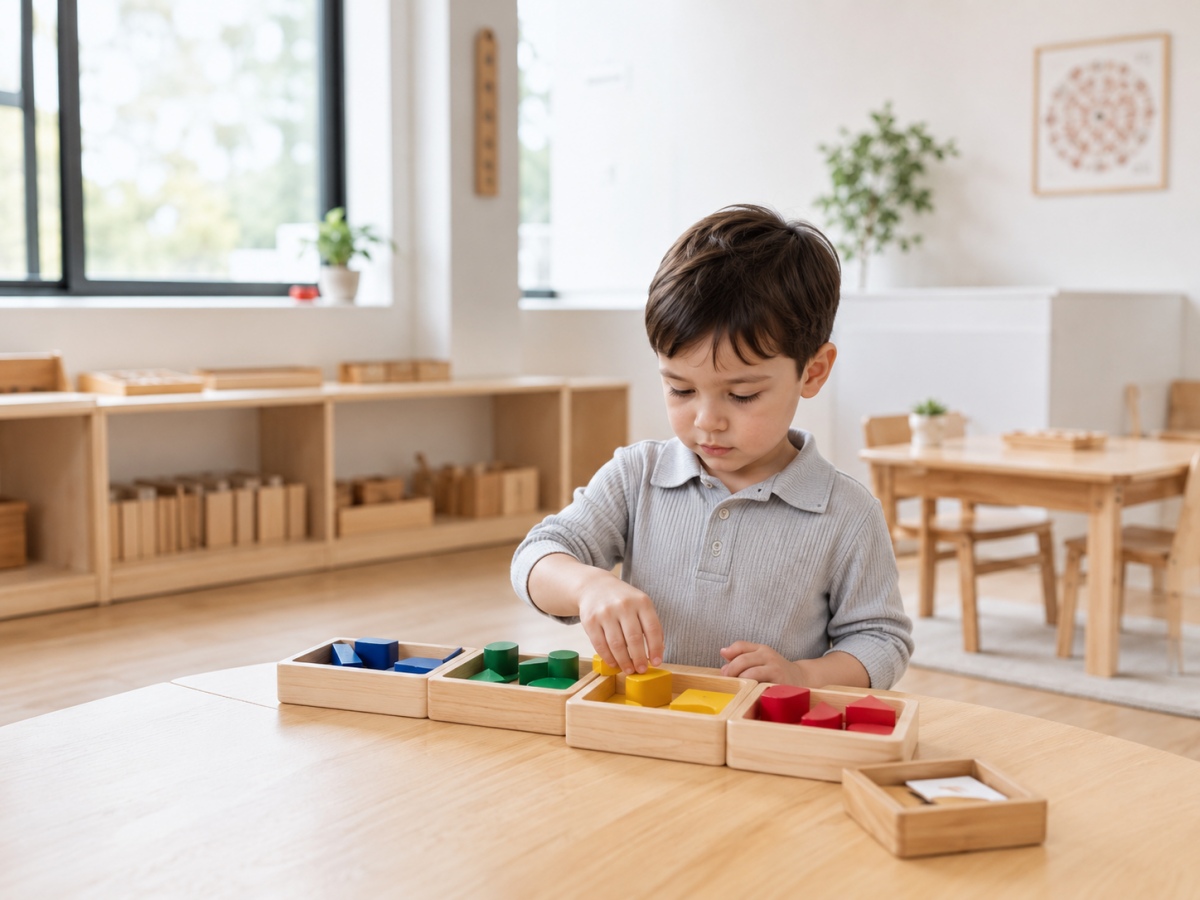
Sorting Toys have become one of the most widely used learning resources in early childhood education because they combine play with purposeful skill development. Whether children are matching colors, grouping shapes, or arranging objects by size, every activity encourages them to observe carefully, think logically, and make decisions through hands-on exploration. Unlike passive learning methods, these educational toys allow children to discover concepts independently, making the learning process both engaging and meaningful.
As interest in Montessori education, STEM learning, and play-based teaching continues to grow, Sorting Toys have become a core product category for preschools, daycare centers, educational retailers, and distributors worldwide. Their versatility also makes them a popular choice for parents looking to create structured learning opportunities at home.
From a business perspective, demand has shifted beyond attractive product designs. Today’s buyers are increasingly looking for Sorting Toys that combine educational value, durable construction, consistent manufacturing quality, and customization options suitable for different markets. Based on our experience working with educational toy distributors and private-label brands, purchasing decisions are often influenced as much by product reliability and supplier support as by pricing.
This article explores how Sorting Toys contribute to children’s development, explains the educational benefits behind different product types, and shares practical insights for educators, distributors, and brands looking to select high-quality learning materials.
Why Are Sorting Toys Important in Early Childhood Development?
Early childhood is one of the most significant stages of cognitive development. During these formative years, children’s brains rapidly create neural connections through repeated experiences involving movement, observation, communication, and problem-solving. According to Harvard University’s Center on the Developing Child, hands-on learning experiences strengthen the neural pathways associated with executive functioning, attention, and memory, providing a strong foundation for future learning.
Sorting Toys naturally support this developmental process because every activity requires children to compare information, recognize patterns, and make decisions. Rather than simply identifying colors or shapes, children gradually begin to understand relationships between objects, discover classification rules, and develop confidence in solving problems independently.
Another advantage of sorting activities is their flexibility. A child may initially organize objects according to color before realizing they can also be grouped by shape, size, quantity, or even function. Exploring different possibilities encourages flexible thinking instead of memorizing a single correct answer.
The American Academy of Pediatrics also emphasizes that play-based learning supports cognitive, language, and social-emotional development by encouraging active participation. This explains why Sorting Toys continue to be widely recommended by educators and therapists as valuable educational tools rather than simple entertainment products.
Research consistently shows that children understand and retain concepts more effectively when visual observation is combined with tactile exploration, making hands-on educational toys particularly valuable during the preschool years.
What Skills Can Children Develop Through Sorting Toys?
One reason Sorting Toys remain popular in classrooms is that they help children develop several essential skills simultaneously. While a sorting activity may appear simple, every movement encourages children to analyze information, coordinate physical actions, communicate ideas, and solve small challenges independently.
| Development Area | Learning Benefits |
|---|---|
| Cognitive Development | Strengthens classification, comparison, memory, and logical reasoning |
| Fine Motor Skills | Improves grasp strength, finger control, and hand-eye coordination |
| Early Mathematics | Introduces counting, sequencing, quantities, and pattern recognition |
| Language Development | Expands vocabulary through discussions about colors, shapes, and categories |
| Visual Perception | Enhances observation, discrimination, and spatial awareness |
| Problem-Solving | Encourages experimentation, reasoning, and independent decision-making |
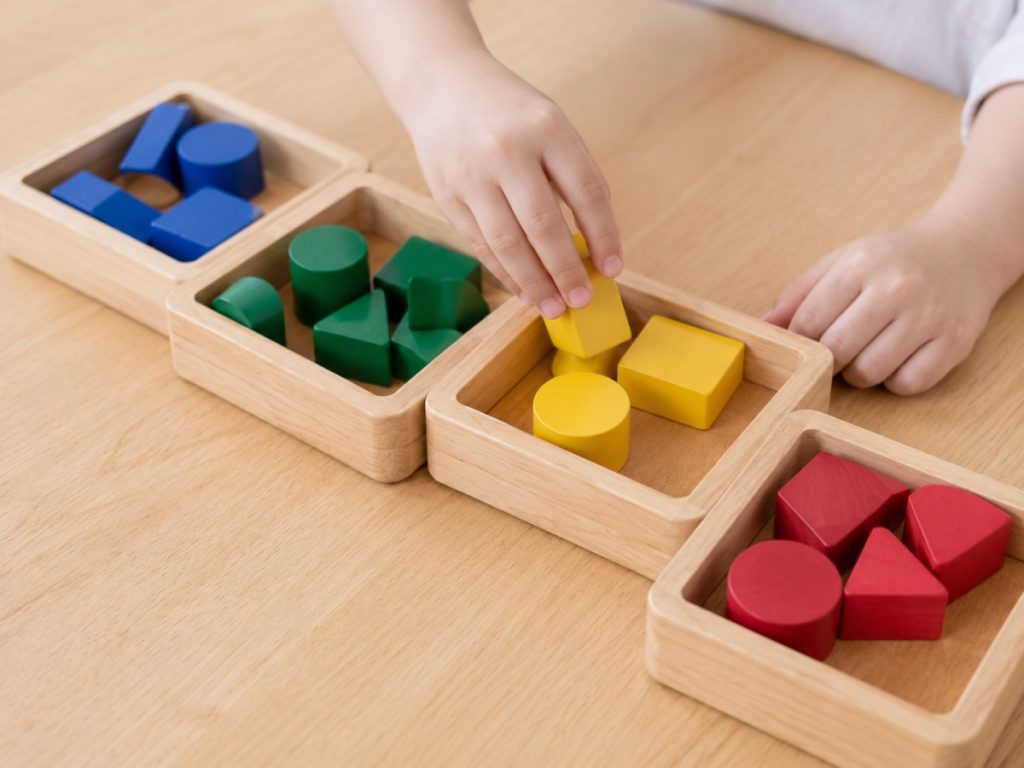
Instead of separating these abilities into different classroom subjects, Sorting Toys integrate them into a single hands-on experience. This is one of the reasons they are frequently included in Montessori toys, preschool learning materials, occupational therapy programs, and STEM learning activities.
Cognitive Development Through Meaningful Exploration
Every sorting activity requires children to observe carefully before taking action. They compare objects, identify similarities, recognize differences, and decide how each item should be grouped. These repeated decisions gradually strengthen analytical thinking and executive functioning.
For example, a child working with wooden Sorting Toys may begin by grouping blocks according to color. After completing the task, they may notice that the same blocks can also be sorted by shape or size. Discovering multiple solutions encourages flexible thinking while helping children understand that many problems can be approached in different ways.
Studies published in Early Childhood Research Quarterly suggest that classification activities contribute to early mathematical reasoning because children begin recognizing patterns before they formally study arithmetic. Over time, these experiences help children develop stronger confidence in analyzing information and making logical decisions.
Fine Motor Skills Improve Through Repetition
Fine motor development is another important benefit of Sorting Toys. Activities involving grasping, rotating, stacking, and positioning individual pieces strengthen the small muscles in children’s hands while improving coordination between visual perception and physical movement.
For example, wooden sorting blocks measuring approximately 40–50 mm are commonly designed for preschool learners because they fit comfortably in small hands while encouraging a pincer grasp. Repeating these movements naturally prepares children for later skills such as handwriting, drawing, cutting with scissors, and manipulating classroom tools.
Rather than practicing isolated exercises, children strengthen these abilities while remaining engaged in enjoyable play, making learning feel both natural and rewarding.
How Do Sorting Toys Support Early Math Skills?
Long before children learn multiplication or division, they begin developing mathematical thinking by comparing objects, recognizing patterns, and understanding relationships. Sorting Toys introduce these foundational concepts in ways that are both interactive and intuitive.
When children arrange objects from the smallest to the largest, they begin to understand sequencing. Matching colors and shapes introduces classification, while counting sorting pieces reinforces one-to-one correspondence and quantity recognition. These experiences gradually build the logical thinking required for more advanced mathematics.
According to the National Association for the Education of Young Children (NAEYC), meaningful mathematical understanding develops most effectively through exploration rather than memorization. Educational toys that encourage children to classify, compare, and organize objects therefore provide valuable preparation for future classroom learning.
Based on feedback from preschool educators who regularly use Sorting Toys, children often remain engaged for longer periods when mathematical concepts are introduced through interactive activities rather than worksheets. This active participation not only improves concentration but also increases children’s willingness to explore new ideas independently.
How Different Types of Sorting Toys Support Different Learning Goals
Although all Sorting Toys share the same educational principle, different designs support different learning objectives. Understanding these differences helps schools, distributors, and parents select products that match specific developmental needs.
| Type of Sorting Toys | Primary Educational Focus |
|---|---|
| Shape Sorting Toys | Shape recognition and spatial awareness |
| Color Sorting Toys | Visual discrimination and memory development |
| Size Sorting Toys | Comparison, sequencing, and logical ordering |
| Number Sorting Toys | Counting and early numeracy |
| Animal Sorting Toys | Vocabulary expansion and categorization |
| Wooden Sorting Toys | Sensory exploration and fine motor practice |
| Montessori Sorting Toys | Independent learning and self-correction |
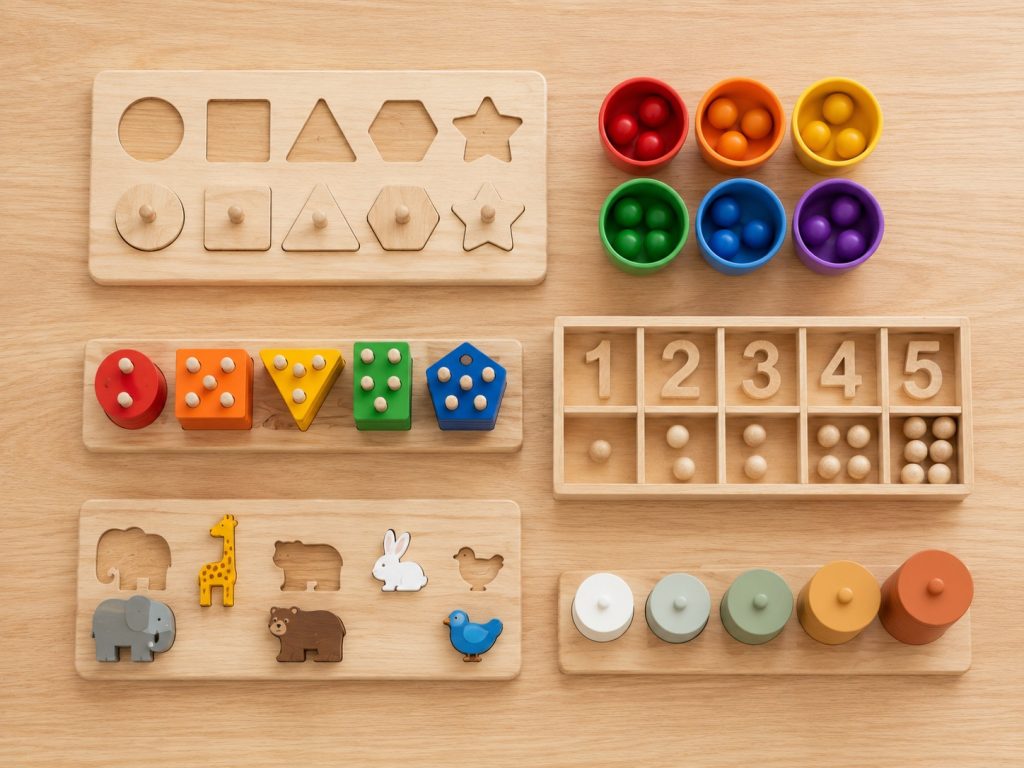
Rather than relying on a single product, many educational programs combine several types of Sorting Toys throughout the school year. This gradual progression introduces increasingly complex activities while maintaining children’s curiosity and motivation.
Why Montessori Sorting Toys Continue to Grow in Popularity
Montessori education encourages children to learn through exploration, and this philosophy has significantly influenced the design of modern educational toys. Many Montessori Sorting Toys allow children to discover solutions independently instead of following step-by-step instructions, creating opportunities for deeper thinking and greater confidence.
Some products feature six to twelve sorting categories rather than only two or three, allowing learning activities to become progressively more challenging as children’s abilities develop. Self-correcting structures also enable children to recognize mistakes without constant adult assistance, encouraging persistence and independent problem-solving.
From our experience supporting OEM educational toy projects, Montessori-inspired Sorting Toys are among the most frequently customized product categories. Distributors often request branded packaging, multilingual instruction manuals, curriculum-based activity cards, or exclusive color combinations to better serve local education markets. These value-added features help brands differentiate their products while giving educators additional teaching resources.
For companies building a complete educational toy portfolio, Sorting Toys are also commonly displayed alongside related product categories such as Montessori Toys, Wooden Toys, and other Educational Toys. Creating these connections not only improves the learning experience for customers but also provides valuable opportunities for internal linking across an independent website, helping visitors explore complementary product collections more efficiently.
How Can Sorting Toys Improve Problem-Solving Skills?
Problem-solving is not a skill that suddenly appears when children enter school. It develops gradually through everyday experiences that encourage observation, experimentation, and independent thinking. This is one of the reasons why Sorting Toys remain a valuable part of early childhood education.
Unlike activities with only one predetermined answer, sorting activities often allow children to approach the same challenge from different perspectives. A child may first organize objects by color, then discover they can also be grouped by size, shape, quantity, or even function. Every new approach encourages children to evaluate their choices, adjust their thinking, and understand that problems can have more than one solution.
This process strengthens executive functioning, including planning, attention, working memory, and cognitive flexibility. Rather than simply completing a task, children learn how to observe carefully, test ideas, recognize mistakes, and try again. These habits become increasingly valuable as they encounter more complex learning challenges in school.
Based on feedback from educators and distributors we have worked with, open-ended sorting activities are often used repeatedly throughout the academic year because they remain engaging while allowing teachers to introduce increasingly challenging objectives without changing the learning materials.
What Makes High-Quality Sorting Toys Different?
Although many Sorting Toys look similar online, differences in educational design and manufacturing quality become much more apparent during long-term classroom use. Schools and distributors are increasingly evaluating products according to durability, usability, and learning value rather than appearance alone.
From our experience supporting OEM and ODM projects, professional buyers usually begin by reviewing product specifications before discussing pricing. Details such as component dimensions, material consistency, surface finishing, and packaging often determine whether a product is suitable for a particular market.
For toddler-focused products, sorting pieces are commonly designed to exceed 45 mm in diameter, making them easier for young children to grasp while reducing choking risks. Rounded edges with approximately R2–R3 mm corner radii improve handling comfort and help products withstand frequent classroom use.
Material selection also plays an important role. Premium wooden Sorting Toys are frequently manufactured from FSC-certified beech wood or rubberwood because these materials offer dimensional stability and good wear resistance. Plastic alternatives designed for intensive educational environments are commonly produced using food-grade ABS, providing durability while maintaining consistent molding accuracy.
Instead of using broad descriptions such as “environmentally friendly materials,” experienced manufacturers usually provide measurable product information. For example, water-based coatings with low VOC emissions create smooth, easy-to-clean surfaces suitable for indoor educational settings, while moisture-controlled hardwood helps minimize deformation during long-term storage and transportation.
For international markets, buyers often request products designed to comply with the testing requirements of EN71, ASTM F963, or CPSIA, depending on regional regulations. Although certification requirements vary by destination, designing products around these internationally recognized standards demonstrates stronger manufacturing processes and quality management.
The table below summarizes several factors that educational buyers commonly evaluate when comparing suppliers.
| Manufacturing Capability | Why It Matters |
|---|---|
| OEM & ODM development | Supports customized product development for different markets |
| Private-label logo printing | Strengthens brand recognition |
| Customized packaging | Meets retail and e-commerce requirements |
| Multilingual instruction manuals | Simplifies international distribution |
| Curriculum-based activity cards | Adds educational value for teachers and parents |
| Stable production capacity | Improves supply chain reliability and delivery consistency |
How Do Schools and Distributors Select Sorting Toys?
Although Sorting Toys serve the same educational purpose, purchasing priorities often differ depending on the customer.
Schools and early learning centers generally focus on classroom practicality. Teachers prefer products that support multiple learning objectives, withstand daily use, and integrate easily into existing lesson plans. Many educators also value activity guides that provide ideas for extending classroom learning without increasing lesson preparation time.
Educational distributors often evaluate products from a broader commercial perspective. In addition to educational value, they consider packaging quality, product consistency, inventory availability, and the supplier’s ability to maintain stable lead times. Because distributors typically serve multiple customer groups, they also appreciate product ranges that include different themes, difficulty levels, and price points.
Private-label brands frequently place greater emphasis on customization. Based on our project experience, common requests include exclusive color combinations, branded packaging, multilingual user manuals, QR-code learning resources, and product designs that complement existing Educational Toys collections. These details help brands establish a stronger market identity while providing additional value for retailers.
E-commerce sellers, meanwhile, often pay close attention to packaging dimensions, shipping efficiency, product photography, and customer reviews. Compact packaging, durable construction, and clear educational messaging can significantly influence online purchasing decisions.
Understanding these different sourcing priorities enables manufacturers to provide more targeted product recommendations and build stronger long-term partnerships with customers across multiple markets.
Why Are Sorting Toys Popular in Schools and Early Learning Programs?
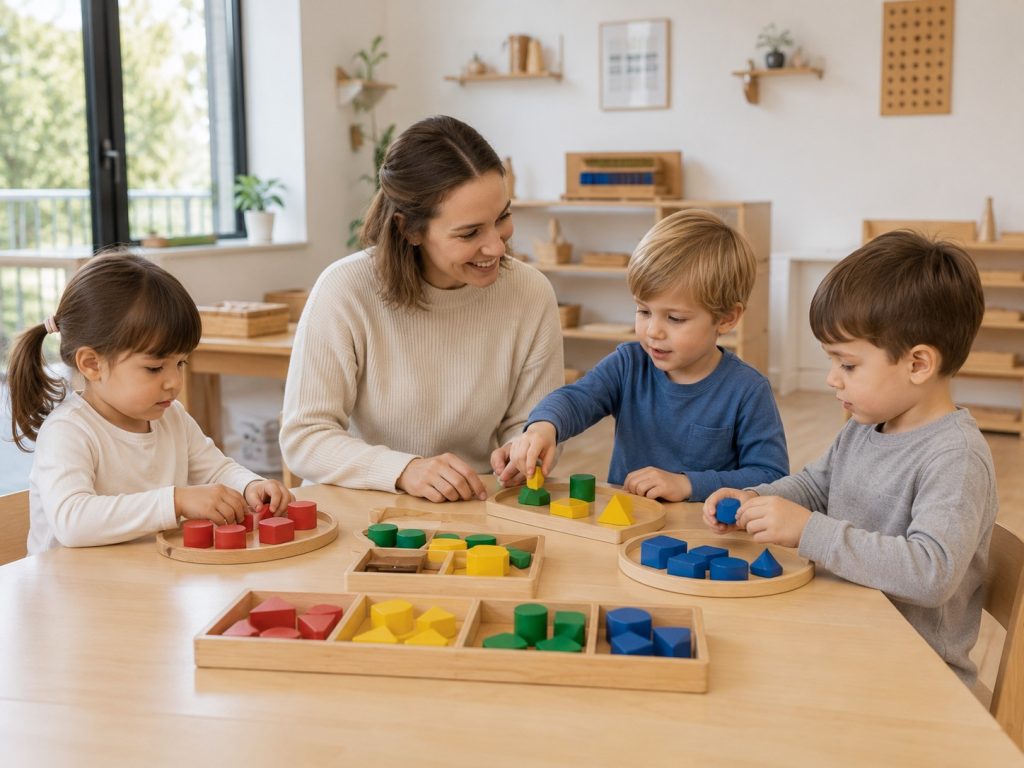
The long-term popularity of Sorting Toys is closely connected to their versatility. A single product can support mathematics readiness, language development, sensory exploration, fine motor practice, and collaborative classroom activities without requiring separate teaching resources.
Teachers frequently introduce Sorting Toys during learning stations, small-group discussions, STEM activities, and vocabulary lessons. Occupational therapists may use them to strengthen hand-eye coordination, while speech therapists often incorporate them into activities that encourage children to describe colors, shapes, categories, and object relationships.
According to the National Association for the Education of Young Children (NAEYC), children develop stronger mathematical understanding when concepts are introduced through meaningful play rather than isolated drills. Sorting activities naturally encourage classification, comparison, sequencing, and pattern recognition while keeping children actively engaged throughout the learning process.
As educational approaches continue to emphasize hands-on learning, Montessori toys, and STEM learning toys, Sorting Toys remain one of the few product categories capable of supporting multiple educational objectives across different teaching methods.
Studies consistently indicate that combining tactile exploration with guided discussion improves children’s understanding and long-term retention compared with observation alone.
Why Are Sorting Toys a Smart Investment for Educational Brands and Wholesale Buyers?
The global demand for educational toys continues to expand as parents, schools, and educational organizations invest more heavily in early childhood development. Within this market, Sorting Toys have maintained steady demand because they address fundamental learning objectives that remain relevant across different educational systems and age groups.
For distributors, the category offers broad commercial potential. One product range can often serve Montessori schools, preschools, daycare centers, educational retailers, therapy providers, and online marketplaces, creating opportunities for repeat orders from multiple customer segments.
For manufacturers, long-term competitiveness increasingly depends on more than production capacity. Buyers now expect responsive communication, stable quality control, reliable delivery schedules, and flexible customization services alongside consistent product performance.
From our experience working with international customers, projects that combine customized educational content with strong manufacturing support generally achieve greater long-term success than products competing primarily on price. Features such as bilingual packaging, curriculum-based activity cards, coordinated product collections, and private-label branding help customers build differentiated product portfolios while strengthening their own market position.
Conclusion
Sorting Toys are far more than colorful classroom accessories. Through meaningful hands-on exploration, they help children strengthen cognitive development, logical reasoning, fine motor coordination, language skills, early mathematical understanding, and problem-solving abilities. Their ability to combine multiple learning objectives within a single activity explains why they continue to play an important role in modern early childhood education.
Research from Harvard University’s Center on the Developing Child, the American Academy of Pediatrics, and the National Association for the Education of Young Children consistently highlights the value of play-based learning in supporting children’s long-term development. When thoughtfully designed, Sorting Toys provide opportunities for children to observe, compare, experiment, and build confidence through independent discovery.
For educational brands, distributors, and wholesale buyers, selecting the right manufacturing partner is equally important. Product quality, educational design, customization capabilities, production consistency, and responsive technical support all contribute to long-term commercial success. Working with an experienced manufacturer can simplify product development while ensuring that your educational toy collection meets the expectations of schools, retailers, and parents in different markets.
Whether you are expanding your educational toy portfolio, developing a private-label product line, or sourcing customized Sorting Toys for international distribution, choosing a supplier with proven manufacturing experience and flexible OEM or ODM capabilities can make the sourcing process more efficient and reliable. To learn more about our production capabilities or discuss your next project, feel free to visit our About Us page or Contact Us to speak with our team.