As demand for educational play experiences continues to grow, brands are facing higher expectations from parents, schools, and retailers. Learning value, product durability, and age-specific functionality are becoming more important than novelty alone. According to Grand View Research, the global educational toy market is expected to maintain steady growth over the coming years, with STEM products and Montessori-inspired toys remaining among the fastest-growing categories.
Against this backdrop, the role of an Educational Toy Manufacturer has evolved significantly. Rather than serving only as a production partner, many manufacturers now participate in product planning, engineering development, and customization. This shift allows brands to respond more efficiently to changing market trends while building stronger competitive advantages.
Why Is Product Innovation Important for an Educational Toy Manufacturer?
Consumer preferences have become increasingly specialized. Data published by Fortune Business Insights indicate that educational products designed around STEM learning and early childhood development continue to outperform many traditional toy segments.
As a result, an Educational Toy Manufacturer is expected to understand both market trends and educational concepts. Products aimed at toddlers aged 18–36 months differ substantially from coding robots developed for children over six years old. The growing diversity of consumer demand is pushing manufacturers to develop broader technical capabilities.
Market Demand Is Becoming More Segmented
Instead of relying on standardized designs, brands are expanding into niche categories such as preschool learning toys, Montessori products, and sensory development games. This trend has also increased demand for specialized partners, including custom educational toy manufacturers and educational toy ODM manufacturers capable of supporting product differentiation.
Circana reports that parents are placing greater emphasis on developmental benefits and learning outcomes when making toy purchasing decisions.
How Does an Educational Toy Manufacturer Contribute to New Product Development?
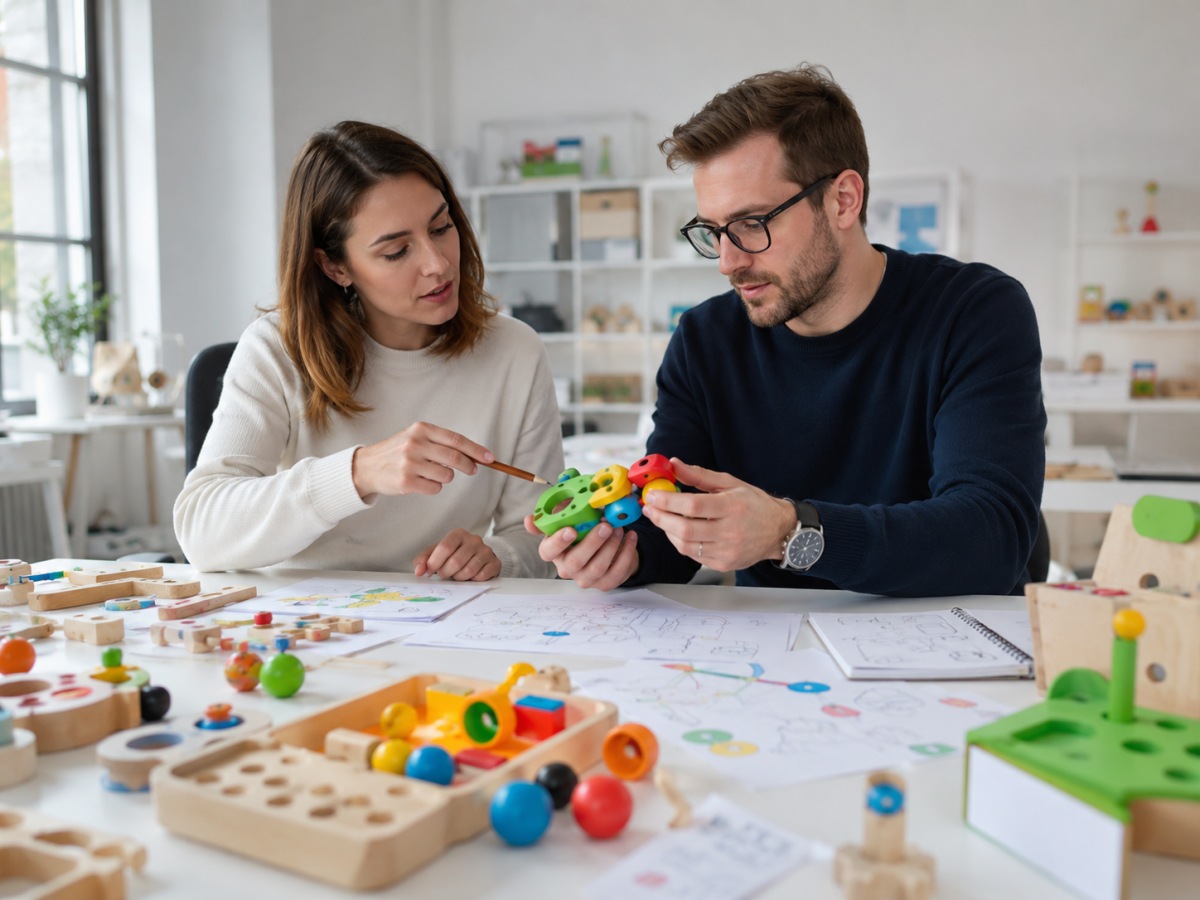
Modern manufacturing begins long before mass production starts. An experienced Educational Toy Manufacturer often participates during concept evaluation, helping brands determine whether a design can be efficiently manufactured and whether modifications are necessary.
Customer feedback and development statistics have shown that early engineering support can significantly reduce redesign costs. Prototype verification and structural optimization frequently shorten product launch cycles while improving functionality.
| Development Stage | Manufacturer Support | Advantages |
| Concept Evaluation | Feasibility analysis and trend assessment | Lower development risks |
| Structural Design | 3D modeling and engineering optimization | Better functionality |
| Pilot Production | Small-batch testing | Reduced investment pressure |
| Mass Manufacturing | Process control and consistency management | Stable supply chain |
Collaboration Starts Before Tooling
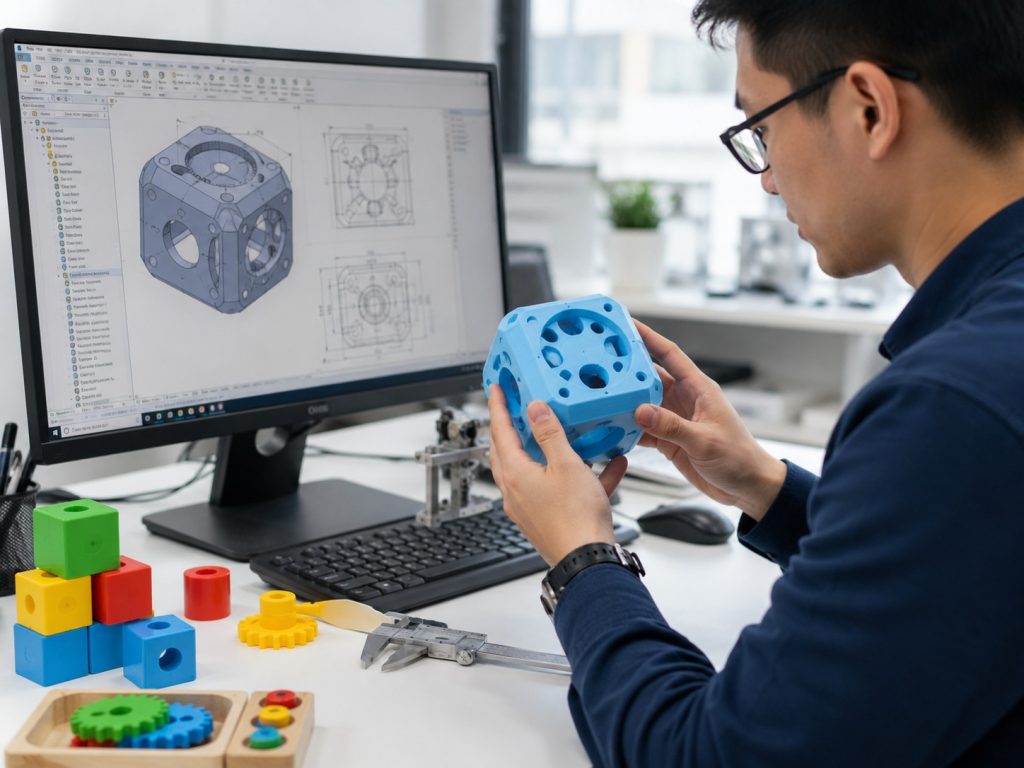
Many educational toy OEM manufacturers now provide engineering assistance before molds are created. Through CAD modeling and rapid prototyping, potential structural problems can be identified early, avoiding unnecessary tooling modifications and shortening overall lead times.
Example of Collaborative Product Development
A European preschool brand worked with an Educational Toy Manufacturer to develop a modular STEM construction kit. After reviewing the initial design, engineers simplified several internal components and optimized the assembly structure.
Prototype development was completed within 12 days, while pilot production started less than five weeks later. Internal testing showed that assembly efficiency improved by approximately 18%, and the redesigned structure demonstrated better resistance to repeated use. Similar collaborative development models are becoming increasingly common among brands seeking faster market entry.
What Technologies Are Driving Innovation in an Educational Toy Manufacturer?
Technology has become an essential factor when evaluating an educational toy manufacturing company. Digital development tools allow manufacturers to transform concepts into prototypes more efficiently while maintaining consistent quality standards.
Three-dimensional modeling and rapid prototyping have greatly reduced sampling time. Instead of making repeated mold adjustments after production begins, engineers can verify structures during the early stages of development.
Another noticeable trend is the integration of digital interaction into traditional educational toys. Coding robots, interactive puzzles, and voice-guided learning systems are attracting increasing attention in North America and Europe.
Technical Specifications Reflect Manufacturing Strength
Concrete specifications often provide a clearer picture of production capabilities than generalized descriptions.
| Capability | Typical Specification |
| Prototype Lead Time | 7–15 days |
| Injection Molding Precision | ±0.02 mm |
| Wooden Component Moisture Content | 8–12% |
| Drop Test Height | 1.0–1.2 m |
| Recommended Age Groups | 18 months+, 3+, 6+, 8+ |
These measurable indicators help buyers compare suppliers more objectively and evaluate the technical capabilities of a custom educational toy manufacturer.
How Can an Educational Toy Manufacturer Improve Product Quality and Durability?
Product quality directly influences customer satisfaction and brand reputation. Return-rate statistics and retailer feedback consistently show that durable products are more likely to generate positive reviews and repeat purchases.
To improve consistency, many manufacturers establish engineering standards based on the intended age group and usage environment. Rounded edges may be controlled above 2 mm to minimize sharp contact points, while water-based coatings with VOC content below 5 g/L contribute to safer surface finishes. For wooden educational toy manufacturers, maintaining moisture content between 8% and 10% helps reduce cracking caused by seasonal changes.
Age-Specific Engineering Standards
Design requirements vary considerably depending on the target age group. Products developed for toddlers often require larger components and stronger pull-force resistance, while products intended for older children may focus more on structural complexity and interactive functions.
These details demonstrate why technical expertise plays such an important role in educational toy development.
Why Are Customization Services Valuable for an Educational Toy Manufacturer?
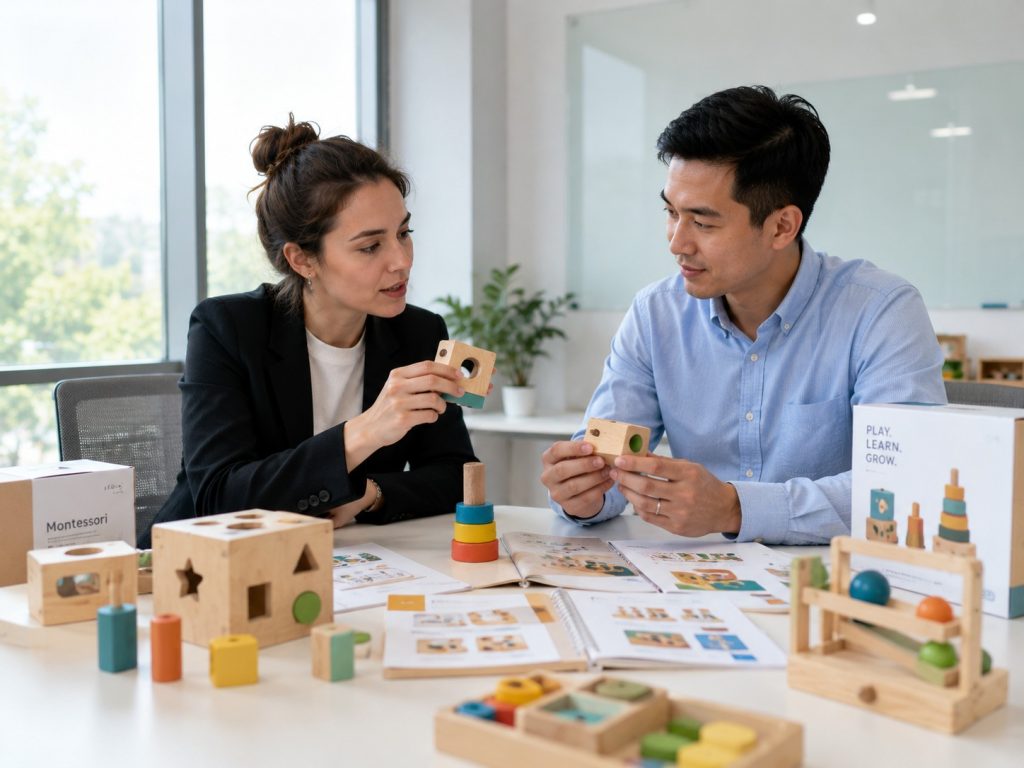
Competition within the toy industry has encouraged brands to focus on differentiated products. Consequently, OEM and ODM capabilities have become increasingly important.
A modern Educational Toy Manufacturer is often expected to provide much more than manufacturing services. Packaging development, accessory modifications, structural adjustments, and exclusive mold development are all part of the product development process.
OEM and ODM Development Support
Private label educational toy manufacturers frequently support brands that wish to establish their own identities without investing in complete in-house development teams.
Customization may involve subtle changes rather than entirely new products. Modifying colors, packaging structures, or component combinations can help brands address regional preferences and market trends more effectively.
Faster Response Creates Competitive Advantages
Manufacturers equipped with in-house engineering teams and mold workshops are generally able to react more quickly to design changes. Prototype revisions can often be completed within one week, and pilot production may begin approximately 20 to 30 days after final design approval.
Industry experience suggests that shorter development cycles provide brands with greater flexibility when responding to seasonal demand and emerging trends.
How Can an Educational Toy Manufacturer Help Brands Stay Competitive?
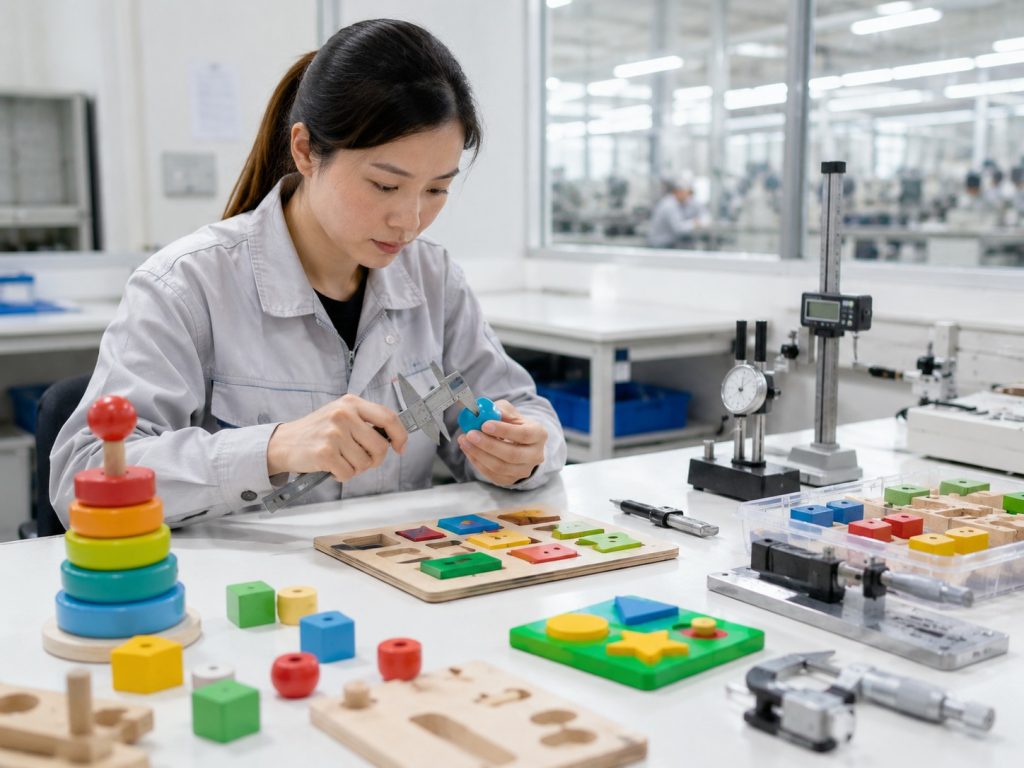
Although pricing remains an important consideration, many successful companies are paying closer attention to long-term development capabilities.
When evaluating an educational toy supplier, brands increasingly consider engineering resources, communication efficiency, and supply chain stability alongside production capacity.
| Evaluation Area | Practical Indicators |
| R&D Capability | Engineering support and prototype development |
| Production Capacity | Equipment configuration and monthly output |
| Industry Experience | Previous educational toy projects |
| Communication Efficiency | Response time and sample revisions |
| Supply Chain Stability | Material sourcing consistency |
| Customization Capability | OEM and ODM services |
Long-Term Collaboration Matters
Partnerships built around technical expertise and continuous innovation often create greater value than relationships based solely on production costs. Manufacturers capable of supporting toy product development services and custom toy design and manufacturing are usually better positioned to help brands expand their portfolios over time.
Frequently Asked Questions About Educational Toy Manufacturer
What services does an Educational Toy Manufacturer provide?
An Educational Toy Manufacturer typically offers product development, prototyping, OEM production, ODM services, packaging design, quality control, and mass manufacturing. Some manufacturers also provide engineering support and market-oriented product recommendations.
How long does custom educational toy development take?
Development schedules vary according to product complexity. In many projects, prototype development requires between 7 and 15 days, while pilot production may begin within four to six weeks after design confirmation.
Can an Educational Toy Manufacturer support OEM and ODM projects?
Yes. Most educational toy OEM manufacturers and educational toy ODM manufacturers provide flexible development options. Brands can customize packaging, colors, structures, or even create exclusive molds for private-label products.
What factors should brands consider when choosing a manufacturer?
Beyond pricing, factors such as engineering capabilities, production capacity, communication efficiency, and supply chain stability often determine whether a partnership can support long-term growth.
Conclusion
As expectations surrounding educational products continue to evolve, manufacturers are becoming increasingly involved in innovation rather than simply production. Market trends and customer preferences indicate that engineering expertise, customization capabilities, and development efficiency are now essential factors influencing product success.
For brands planning to launch STEM toys, Montessori products, or private-label educational solutions, working with an experienced Educational Toy Manufacturer can provide valuable technical support and help create sustainable advantages in an increasingly competitive market.