
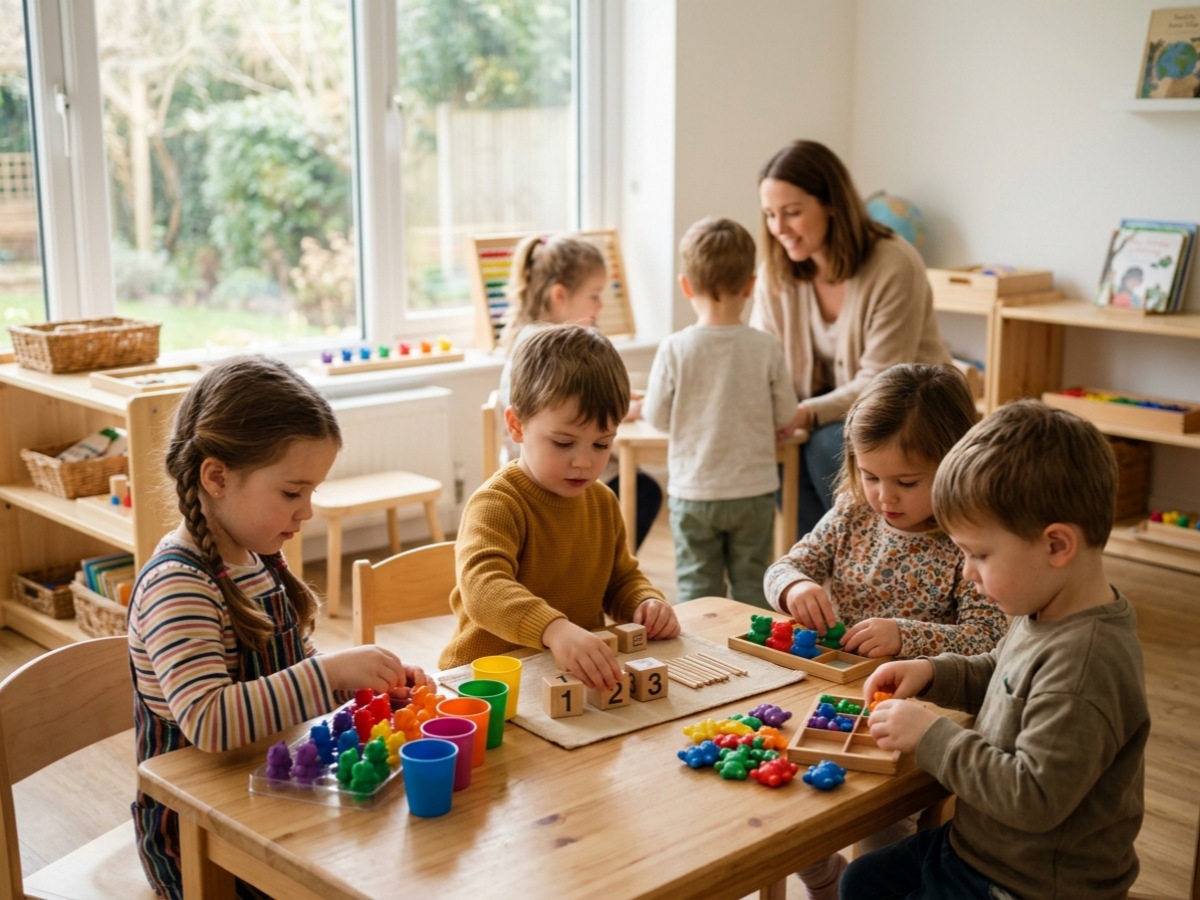
Early childhood educators increasingly recognize that mathematical learning begins long before children encounter formal arithmetic. According to research from the National Association for the Education of Young Children (NAEYC), hands-on experiences with numbers during the preschool years can significantly strengthen later academic performance.
This growing awareness has encouraged parents, schools, and learning centers to invest in educational resources that make abstract concepts easier to understand. Among these resources, Counting Toys continue to play an important role because they allow children to connect numbers with physical objects they can see, touch, sort, and manipulate.
Rather than treating counting as a memorization exercise, effective learning environments encourage children to explore quantities through play. This approach helps develop early numeracy skills, mathematical reasoning, and problem-solving abilities while laying the groundwork for future academic success.
For educators, childcare providers, and educational product distributors, understanding the value of Counting Toys can support better learning outcomes and more informed purchasing decisions.
Why Counting Toys Matter for Early Number Sense
Number sense is far more than the ability to recite numbers in sequence. It involves understanding quantities, recognizing patterns, comparing values, and applying numerical thinking to everyday situations. Research from the University of Chicago’s Early Math Collaborative suggests that children who develop strong early number sense are more likely to achieve success in later mathematics learning.
One reason Counting Toys remain popular in preschool environments is their ability to make abstract concepts tangible. Instead of simply hearing that the number five represents a quantity, children can physically hold five objects, move them, and compare them with other groups. This hands-on interaction strengthens one-to-one correspondence, number recognition, sequencing skills, and quantity awareness.
Studies in early childhood education consistently indicate that children develop deeper mathematical understanding when they can manipulate physical objects rather than relying exclusively on visual instruction.
When children engage with concrete learning materials, they begin to understand that numbers represent real quantities rather than symbols that need to be memorized. Over time, this understanding supports more advanced mathematical reasoning.
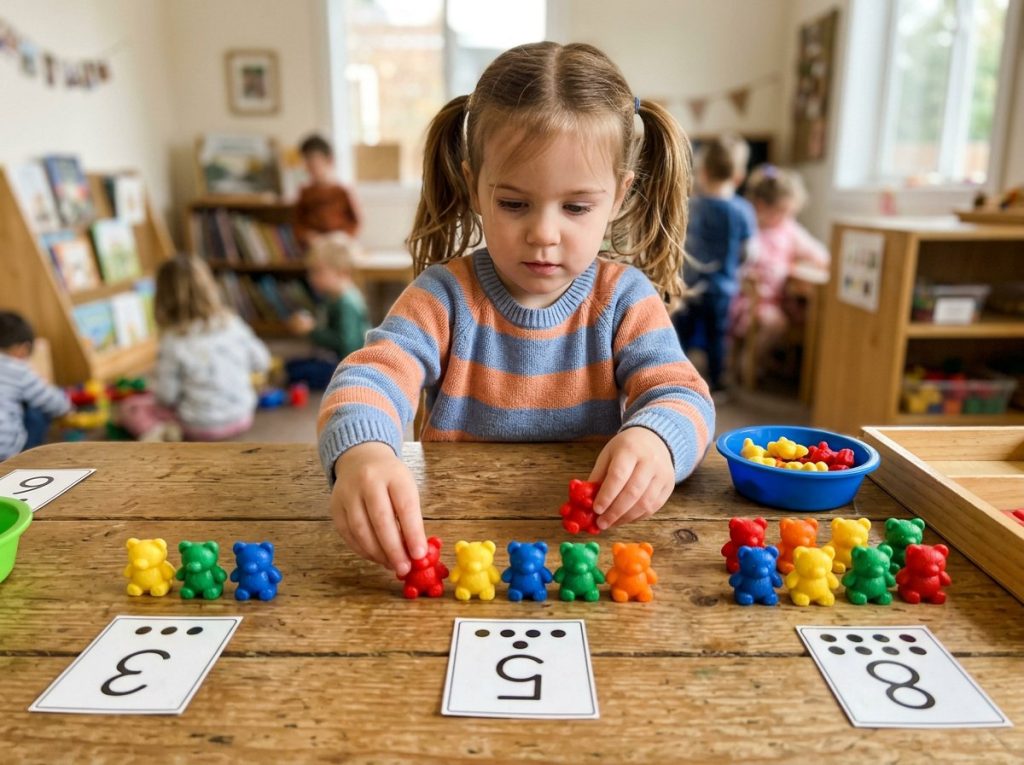
From Counting to Mathematical Thinking
Many adults think of counting as a simple early childhood milestone. In reality, counting serves as the foundation for future mathematical concepts, including addition, subtraction, estimation, and logical problem-solving.
As children repeatedly interact with Counting Toys, they gradually learn how numbers relate to one another. They begin recognizing which quantities are larger or smaller, how patterns emerge, and how numbers can be grouped or compared. These experiences contribute directly to mathematical thinking and prepare children for more structured learning environments.
Popular Types of Counting Toys for Preschoolers
Different learning materials support different aspects of number development. Selecting the right educational resource often depends on the child’s developmental stage, learning objectives, and classroom environment.
| Type of Toy | Primary Learning Goal | Typical Age Range |
| Counting Bears | Sorting and classification | 3-5 years |
| Number Blocks | Number recognition | 3-6 years |
| Abacus Sets | Quantity relationships | 4-6 years |
| Counting Sticks | Sequencing and patterns | 3-6 years |
| Peg Boards | Fine motor coordination | 3-5 years |
| Number Puzzles | Symbol matching | 3-6 years |
Counting Bears and Sorting Sets
Counting bears remain a favorite in both classrooms and home learning environments because they combine multiple educational objectives in a single activity. Children naturally practice sorting, comparing, classifying, and counting while engaging with colorful manipulatives.
Many educators appreciate these resources because they encourage independent exploration while still supporting structured learning activities. Children often begin by sorting objects according to color or size before progressing to more advanced counting and comparison exercises.
Wooden Number Manipulatives
Wooden educational materials continue to be widely used because they provide a tactile learning experience and can withstand repeated classroom use.
Rather than relying on generic product descriptions, many educational buyers prefer measurable specifications when evaluating learning resources.
| Product Feature | Example Specification |
| Material Type | Solid beech wood |
| Edge Design | Minimum 3 mm rounded corners |
| Piece Size | 40-80 mm |
| Surface Coating | Water-based coating below 30 μm |
| Learning Range | Numbers 1-20 or 1-100 |
Providing clear specifications helps schools, distributors, and retailers compare products more effectively and make informed purchasing decisions.
Fun Learning Activities Using Counting Toys
The educational value of Counting Toys becomes even greater when children participate in purposeful play activities.
One popular activity is a treasure hunt counting game. Children search for hidden objects throughout a room, collect them, and then compare quantities with classmates or family members. Although the activity feels like play, it naturally strengthens counting accuracy, visual tracking, and number recognition skills. Many teachers report that movement-based learning experiences help maintain engagement longer than traditional worksheet activities.
Another effective approach involves building towers with counting blocks. When children create towers containing specific quantities and compare their heights, they begin to visualize numerical relationships. Rather than memorizing numbers in isolation, they develop an intuitive understanding of quantity differences and sequencing.
Sorting challenges also offer valuable learning opportunities. Children may organize objects according to color, shape, or size before counting the items within each category. Through this process, they practice classification skills while simultaneously strengthening quantity awareness and logical reasoning.
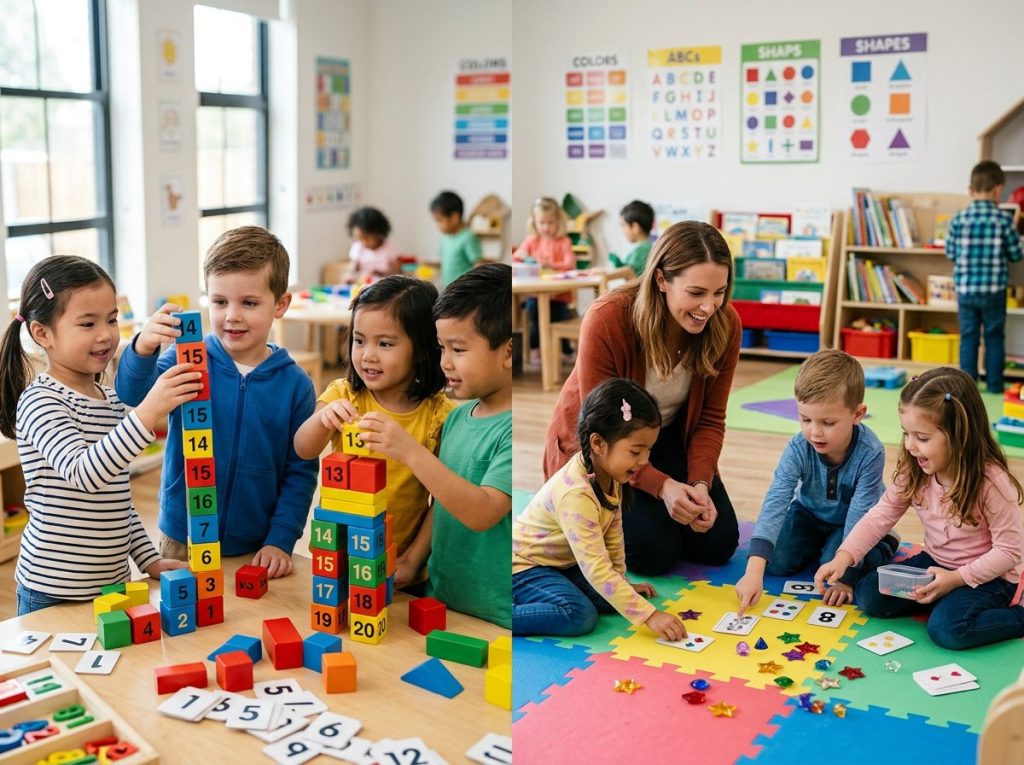
How Counting Toys Support Broader Cognitive Development
Although their primary purpose is mathematical learning, Counting Toys frequently support several other developmental areas at the same time.
Research indicates that hands-on educational materials may contribute to improvements in concentration, memory retention, visual discrimination, and fine motor development. As children grasp, move, and organize objects, they strengthen coordination skills while practicing mathematical concepts.
The relationship between early numeracy and broader STEM readiness has also received increasing attention. Many experts believe that mathematical reasoning, pattern recognition, and problem-solving skills developed during preschool years provide an important foundation for later science, technology, engineering, and mathematics education.
Supporting Kindergarten Readiness
Kindergarten teachers typically expect children to arrive with a basic understanding of numbers, quantities, and simple mathematical relationships. This includes recognizing number symbols, counting groups of objects accurately, identifying patterns, and comparing quantities.
Regular interaction with Counting Toys provides opportunities to practice these skills in meaningful contexts. Rather than relying solely on memorization, children learn by connecting numerical concepts with physical experiences. As a result, many preschool programs incorporate counting manipulatives into their kindergarten readiness strategies.
Research suggests that children who develop strong early numeracy skills often approach formal mathematics with greater confidence and curiosity, making the transition into structured classroom learning more successful.
Choosing the Right Counting Toys for Educational Programs
Educational institutions, childcare centers, and learning resource suppliers often evaluate products differently than individual consumers. While learning outcomes remain important, practical considerations also influence purchasing decisions.
| Evaluation Factor | Why It Matters |
| Learning objectives | Curriculum alignment |
| Number range | Supports progressive learning |
| Set size | Classroom participation |
| Durability data | Long-term use |
| Storage solutions | Organization efficiency |
| Replacement availability | Lower maintenance costs |
Classroom Usage Considerations
A classroom-oriented counting set may include hundreds of counting pieces, number cards, sorting trays, and activity guides designed to support both individual and group learning. These features help teachers organize lessons efficiently while encouraging active participation among students.
Products that accommodate multiple learning styles often provide greater long-term value because they can be integrated into a variety of educational activities throughout the school year.
What Schools and Distributors Look for in Counting Toys
As demand for early learning resources continues to grow, purchasing decisions increasingly involve more than educational outcomes alone. Schools, educational retailers, and distributors often evaluate suppliers based on their ability to provide consistent quality, reliable service, and long-term support.
Classroom Durability
Educational products used in classrooms experience considerably more handling than toys used at home. A single counting set may be shared among dozens of children throughout an academic year, making durability an important consideration.
For procurement teams, evaluating Counting Toys often involves looking beyond educational value to consider long-term usability. Manufacturers that provide measurable performance data, reinforced storage solutions, and designs suitable for repeated group activities often give buyers greater confidence when comparing products.
Custom Branding and OEM Opportunities
Educational brands increasingly seek customized solutions that align with their market positioning and customer expectations. Private-label packaging, customized color schemes, curriculum-specific activity cards, and branded packaging designs have become common requirements within the educational toy industry.
OEM and ODM services allow distributors and retailers to create differentiated product offerings while maintaining consistent educational value.
Wholesale Supply Advantages
For distributors and educational retailers, product quality is only one component of a successful purchasing strategy. Supply chain reliability frequently plays an equally important role. Even highly regarded Counting Toys can become difficult to manage if inventory availability fluctuates or delivery schedules become unpredictable.
As a result, many buyers prefer manufacturing partners that can support recurring orders, maintain stable production schedules, and manage international logistics efficiently. Flexible packaging solutions and long-term supply planning are increasingly important as educational brands seek sustainable growth.
For organizations purchasing at scale, a dependable supply partner often contributes as much value as the product itself.
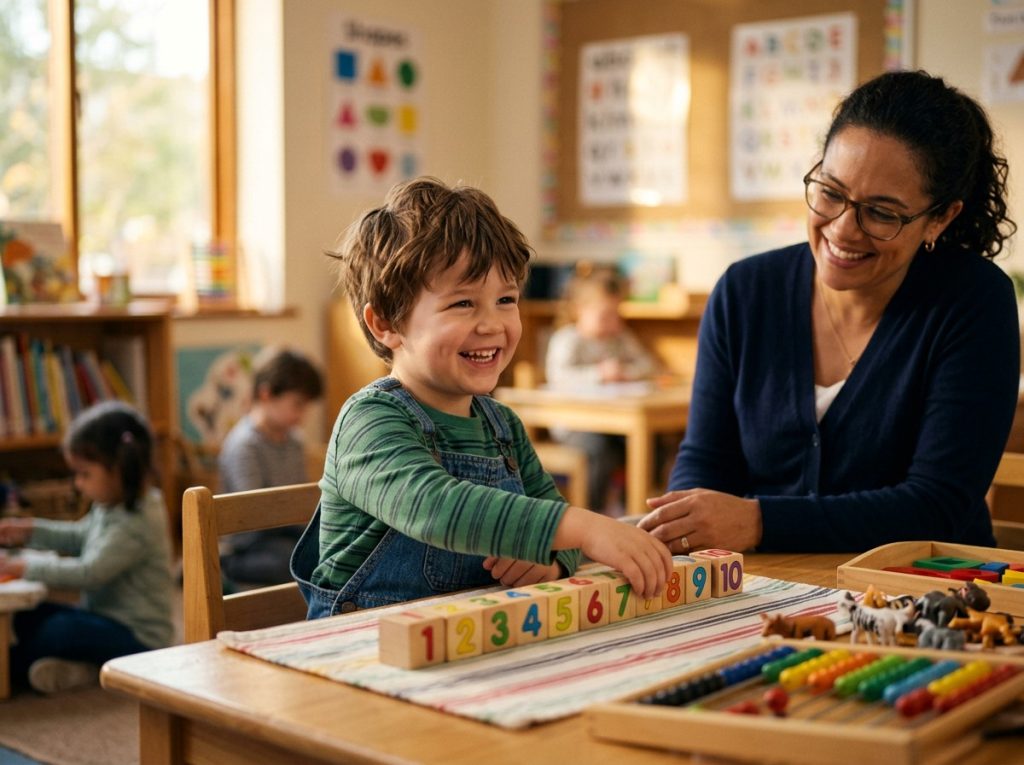
Frequently Asked Questions About Counting Toys
At what age can children start using Counting Toys?
Many preschool-oriented counting products are introduced around age three, when children begin developing basic number recognition and one-to-one correspondence skills.
How do Counting Toys improve number sense?
They help children connect numerical symbols with physical quantities through direct interaction, making abstract concepts easier to understand and remember.
Are Counting Toys useful in preschool classrooms?
Yes. Many preschool educators incorporate manipulative-based learning materials because they encourage participation and support foundational numeracy development.
What should educators consider before purchasing Counting Toys?
Factors such as learning objectives, classroom capacity, durability, storage convenience, and curriculum alignment are commonly evaluated during the purchasing process.
Conclusion
Developing strong number sense during the preschool years creates a foundation for future academic achievement. Research consistently indicates that children learn mathematical concepts more effectively when they can explore them through meaningful, hands-on experiences rather than passive observation alone.
Among the many educational resources available today, Counting Toys remain one of the most effective tools for supporting early numeracy skills, mathematical reasoning, and kindergarten readiness. Their ability to transform abstract concepts into tangible learning experiences makes them valuable in homes, preschools, childcare centers, and educational programs.
For schools, educational retailers, distributors, and learning centers, selecting Counting Toys with clear educational objectives, measurable durability standards, and classroom-friendly designs can help maximize both learning outcomes and purchasing value. Organizations exploring wholesale programs, OEM services, private-label opportunities, or customized educational product solutions may also benefit from working with experienced educational toy manufacturers capable of supporting long-term business growth and evolving curriculum needs.