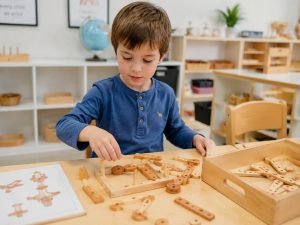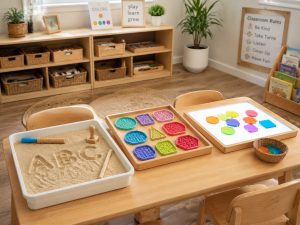
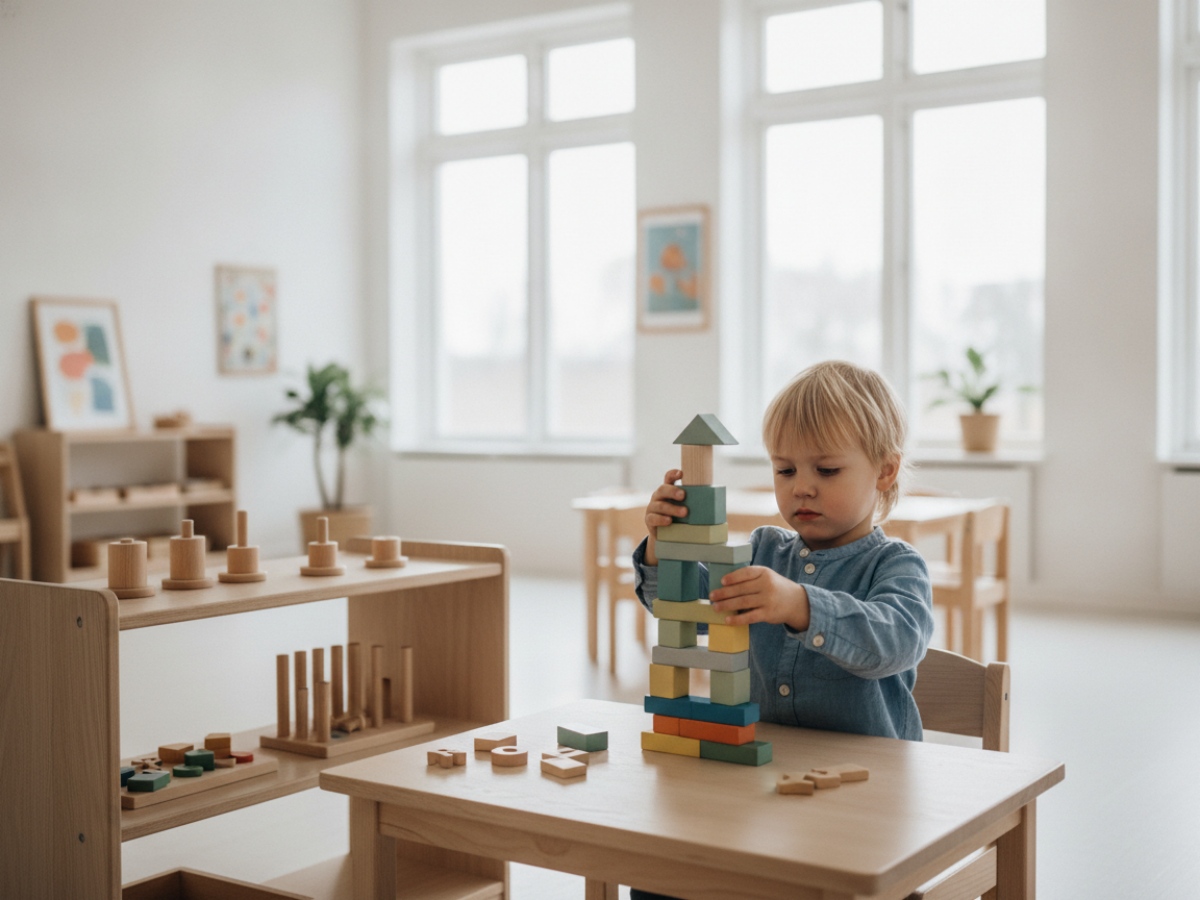
Early childhood education is increasingly focused on helping children develop confidence, curiosity, and the ability to learn independently. Rather than relying solely on teacher instruction, preschool children are encouraged to explore, make decisions, solve problems, and build essential skills through meaningful play.
Hands-on learning has become an important part of modern preschool education because it encourages children to actively participate instead of simply observing. As a result, Preschool Learning Toys are now widely used in homes, preschools, daycare centers, and early learning institutions to create engaging learning experiences that support children’s cognitive, social, and physical development.
However, not every educational toy contributes equally to independent learning. The learning value of a product depends on thoughtful design, age-appropriate challenges, opportunities for repeated exploration, and the way children interact with each activity.
At Vindstier, we work closely with educational product distributors and early learning partners in different markets. Through product development and customer feedback, we have found that children remain engaged longer when learning toys encourage exploration instead of simply providing fixed answers. This practical experience continues to guide our approach to designing Preschool Learning Toys that support both educational value and commercial needs.
Whether you are a parent selecting educational resources, an educator designing classroom activities, or a distributor expanding your product portfolio, understanding how Preschool Learning Toys support independent learning can help you make more informed decisions.
What Makes Preschool Learning Toys Effective for Independent Learning?
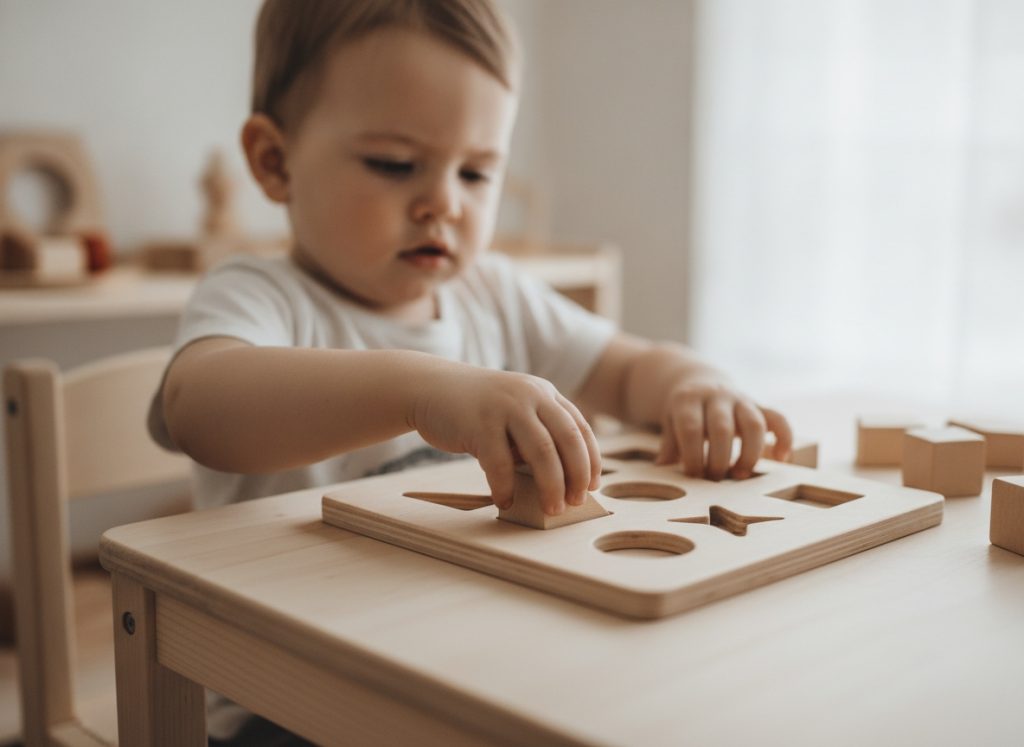
Independent learning develops gradually as children gain confidence in making choices, testing ideas, and solving simple problems through their own exploration.
Instead of directing every step, well-designed Preschool Learning Toys encourage children to observe, compare, experiment, and improve through repeated practice. This process helps transform curiosity into meaningful learning experiences while allowing children to progress at their own pace.
For example, a construction toy allows children to create different structures using the same components. During play, they naturally evaluate balance, redesign their ideas, and improve their solutions. Likewise, matching games and sorting activities encourage logical thinking by asking children to recognize relationships between shapes, colors, and patterns.
Children often return to these activities because every attempt can produce a different outcome. That continuous exploration is one of the reasons Preschool Learning Toys remain valuable long after the first play session.
How Preschool Learning Toys Develop Early Learning Skills
Preschool is an important stage for developing cognitive abilities, creativity, fine motor coordination, communication skills, and independent thinking. Educational toys help transform these learning goals into practical experiences that children enjoy.
Building problem-solving ability through play
When children encounter challenges during play, they naturally begin observing, comparing possibilities, testing solutions, and making adjustments. This process helps develop analytical thinking without making learning feel like a formal lesson.
Puzzle activities encourage children to recognize relationships between different pieces, while construction toys promote planning and creativity. STEM learning toys introduce simple engineering concepts by allowing children to observe how different structures and movements produce different results.
As children successfully solve small challenges, they gradually build confidence in making decisions independently.
Supporting fine motor and cognitive development
Many Preschool Learning Toys involve stacking, threading, assembling, rotating, or sorting components. These activities encourage children to coordinate visual information with precise hand movements while strengthening concentration.
For example, wooden stacking blocks measuring approximately 35–45 mm are generally easier for preschool children to grasp during building activities. Lacing toys using 8–10 mm threading holes help children practice finger control while completing simple sequencing tasks. These design details make learning activities more comfortable and encourage children to continue exploring independently.
Rather than completing activities as quickly as possible, children gradually improve accuracy and confidence through repeated practice.
Which Preschool Learning Toys Encourage Independent Exploration?

Different categories of Preschool Learning Toys support independent learning in different ways, and understanding these differences helps parents, educators, and buyers choose products that match specific educational goals.
Building toys remain one of the most versatile options because they encourage children to imagine, design, and rebuild their own creations. Every new structure presents another opportunity to think creatively and solve practical problems.
Montessori-inspired learning materials encourage children to complete everyday learning tasks independently. Activities such as sorting, pouring, fastening, and matching improve concentration while allowing children to learn through repetition.
STEM Preschool Learning Toys introduce science, technology, engineering, and mathematics through experimentation instead of memorization. Children naturally become curious as they observe how different actions produce different outcomes.
Role-play toys also support independent learning by encouraging communication, imagination, and social interaction through realistic scenarios.
From our experience at Vindstier, products that allow multiple ways to play consistently generate stronger interest from schools and distributors because they remain engaging across different learning environments and provide greater long-term educational value.
“The most effective learning materials create opportunities for children to discover solutions through their own actions.”
How to Choose the Right Preschool Learning Toys for Different Learning Goals?
Selecting Preschool Learning Toys requires more consideration than attractive colors or popular themes. Parents, educators, and professional buyers should evaluate whether each product supports meaningful learning outcomes.
Families often look for toys that encourage independent exploration at home, while preschool teachers need products that integrate naturally into classroom activities. Educational distributors and retailers may also evaluate durability, product consistency, and long-term market demand before making purchasing decisions.
Products that offer progressive learning challenges generally remain useful for longer periods because children continue discovering new ways to interact with them as their abilities develop.
For example, magnetic construction tiles with 5 mm sealed magnets can help children safely explore geometric structures, while wooden alphabet puzzles with 26 removable letter pieces encourage repeated language practice through hands-on interaction. Practical product features like these create clear educational value while making purchasing decisions easier for schools and distributors.
Why Preschool Learning Toys Create Long-Term Value for Classrooms and Families?
Educational toys have become an increasingly important part of modern preschool education because they transform abstract concepts into meaningful learning experiences.
Teachers frequently integrate Preschool Learning Toys into activities involving mathematics, language development, science, and creative thinking. Children participate more actively because they can observe, manipulate, and experiment with physical materials instead of simply listening to explanations.
At home, these toys provide opportunities for parents to create enjoyable learning routines while encouraging children to complete activities independently. Over time, children become more willing to explore unfamiliar challenges and develop greater confidence in their own abilities.
Because Preschool Learning Toys can be used effectively in homes, daycare centers, preschools, learning centers, and after-school programs, they continue providing educational value across a wide variety of learning environments.
How Brands Can Build Professional Value Through Preschool Learning Toys?

As global demand for educational toys continues to grow, buyers increasingly evaluate suppliers based on educational expertise, product innovation, manufacturing capability, and long-term reliability.
At Vindstier, product development begins with children’s learning experiences rather than appearance alone. Our team pays close attention to how different activity designs encourage exploration, concentration, and independent problem-solving while also considering practical manufacturing requirements for international markets.
In addition to developing Preschool Learning Toys that support early childhood education, we work with distributors, retailers, and educational organizations by providing OEM and ODM manufacturing, private-label production, customized packaging, and product development services.
For many international buyers, choosing an experienced Preschool Learning Toys manufacturer means working with a partner that understands both educational value and commercial expectations. Reliable production schedules, consistent quality management, responsive communication, and flexible customization all contribute to stronger long-term business relationships.
As an educational toy supplier, Vindstier continues investing in product innovation so that customers can offer learning toys that meet changing educational trends while maintaining competitive advantages in their local markets.
What Trends Are Shaping the Future of Preschool Learning Toys?
Parents, educators, and schools are placing greater emphasis on educational products that encourage meaningful participation instead of passive entertainment.
One significant trend is the continued growth of STEM learning. Modern Preschool Learning Toys introduce scientific thinking through practical exploration, allowing children to build, observe, and experiment instead of memorizing concepts.
Another important trend is flexible product design. Educational toys offering different difficulty levels or multiple play possibilities remain engaging as children’s abilities develop, extending both educational value and product lifespan.
Manufacturers are also focusing on products that support classroom teaching while remaining equally suitable for home learning. This flexibility creates greater value for educators, retailers, and families alike.
FAQs
What skills can Preschool Learning Toys help children develop?
Preschool Learning Toys help children strengthen problem-solving ability, creativity, concentration, communication skills, logical thinking, and fine motor coordination through hands-on learning experiences.
How do parents choose suitable Preschool Learning Toys?
Parents should choose toys that encourage active participation, independent exploration, and repeated learning opportunities. Products offering open-ended play generally remain useful as children’s abilities continue developing.
Why are Preschool Learning Toys widely used in preschool classrooms?
Teachers use Preschool Learning Toys because they make learning more interactive and help children understand concepts through practical exploration. Hands-on learning also supports children with different learning styles.
Why do distributors choose experienced educational toy suppliers?
Professional suppliers provide consistent manufacturing quality, flexible customization services, reliable production capacity, and continuous product innovation. These advantages help distributors develop competitive educational toy collections while responding to changing market demand.
Conclusion
Preschool Learning Toys play an important role in helping children develop independent learning habits through exploration, creativity, and hands-on problem-solving. Well-designed educational toys encourage children to think independently, build confidence, and develop practical skills that support long-term learning.
For parents and educators, selecting Preschool Learning Toys should focus on educational objectives, interactive design, and opportunities for repeated exploration. Products with thoughtful activity design are more likely to create engaging learning experiences that continue supporting children’s development over time.
For distributors, retailers, and educational organizations, choosing an experienced Preschool Learning Toys manufacturer is equally important. At Vindstier, we combine educational insight with manufacturing expertise to develop innovative learning toys that meet the needs of global markets. Whether you are looking for wholesale Preschool Learning Toys, OEM and ODM solutions, or customized educational toy collections, our team is ready to help you deliver high-quality learning experiences that create lasting value for both children and your business.