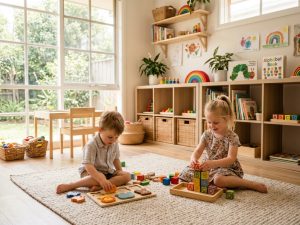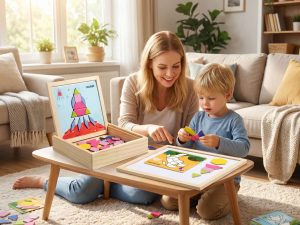
Most preschool teachers have experienced the same frustration: a carefully planned lesson loses half the class within ten minutes. Children fidget, wander, or simply disengage — not because the content is wrong, but because the delivery doesn’t match how their nervous systems actually work at this stage of development.
Research from the American Academy of Pediatrics confirms that children aged three to five learn most effectively through active, multisensory engagement. Studies on sensory-rich play environments have found that preschoolers in classrooms with structured sensory activities demonstrate longer sustained attention spans — some research citing improvements of 20–30% in on-task behavior compared to traditional passive instruction formats. Yet in many schools, sensory toys remain an afterthought: pulled out during free play, rarely integrated into planned learning, and often purchased without a clear developmental rationale.
The real gap isn’t awareness — most early childhood educators understand that hands-on learning matters. The gap is specificity. Which sensory toys actually work for a three-year-old versus a five-year-old? What distinguishes a durable classroom tool from a product that looks good in a catalog? And what should schools actually check before signing a purchase order? This article addresses those questions directly, with a focus on sensory toys that deliver real classroom value.
The Developmental Case for Sensory Toys in Preschool: Beyond the Basics
The neuroscience behind sensory play is well-established. During the preschool years, the brain’s sensory processing systems — particularly the tactile, proprioceptive, and vestibular pathways — are in a critical period of refinement. Sensory integration theory, developed by occupational therapist Dr. A. Jean Ayres in the 1970s and extensively validated since, holds that the brain’s ability to organize and respond to sensory input directly influences motor coordination, attention regulation, and social-emotional development.
What’s less discussed in standard early childhood literature is the specificity problem: not all sensory input is developmentally equivalent, and not all sensory toys deliver the input they claim to. A brightly colored toy that stimulates visual attention is doing something categorically different from a weighted lap pad that supports proprioceptive regulation. Treating the entire category as interchangeable — which much of the commercial market encourages — leads to classrooms stocked with visually appealing products that don’t address the sensory needs that most affect learning outcomes.
The three sensory systems that most directly impact classroom readiness in preschoolers are tactile discrimination (which supports fine motor skill and handwriting readiness), proprioception (which supports body awareness, impulse control, and the ability to sit still for instruction), and auditory discrimination (which is the strongest early predictor of phonological awareness and reading development). A well-structured sensory toy selection addresses all three — not just the most visually marketable one.
Age-Based Selection: Why 3-Year-Olds and 5-Year-Olds Need Different Tools
One of the most common mistakes when selecting sensory toys for preschool settings is treating the entire 3–5 age range as a single category. The developmental distance between a newly turned three-year-old and a child approaching kindergarten entry is substantial — in fine motor control, cognitive processing, emotional regulation, and social play capacity. Sensory toys that are appropriately challenging for a five-year-old can be inaccessible and frustrating for a three-year-old, while toys calibrated for early preschool offer little developmental stretch for older children.
The following framework offers practical selection guidance by age band:
| Age | Fine Motor Capacity | Cognitive Level | Recommended Sensory Toy Types | Examples |
|---|---|---|---|---|
| 3 years | Emerging grip; palmar grasp transitioning to pincer | Cause-and-effect understanding; parallel play | Large tactile sorting shapes, sensory bins with scooping tools, textured balls, simple sound shakers | Jumbo silicone texture blocks, sand/water tables with wide scoops, fabric sensory squares |
| 4 years | Refined pincer grip; increasing bilateral coordination | Beginning categorical thinking; associative play | Tactile matching sets, sensory lacing cards, moldable materials, color-sorting light panels | Textured matching puzzle pairs, kinetic sand with simple molds, translucent color chips for light tables |
| 5 years | Near-adult fine motor precision; scissors use emerging | Sequential thinking; rule-based cooperative play | Multi-step sensory sorting games, sound discrimination sets, resistance-based proprioceptive tools, sensory writing trays | Auditory shaker matching sets, weighted lap pads, sand letter trays for pre-writing, balance boards |
This isn’t about restricting older children from simpler materials — open-ended sensory tools like kinetic sand or a light table have value across the full range. The age distinction matters most when selecting tools intended to build specific skills: a lacing card that challenges a five-year-old’s bilateral coordination is likely to produce tears of frustration in a three-year-old whose pincer grip isn’t ready for it.
For school buyers purchasing for mixed-age preschool settings, the practical implication is to prioritize adjustable-difficulty or multi-stage sensory toys — kits that include both larger, simpler components and smaller, more precise elements serve a wider developmental range without requiring separate purchases for each age group.
Core Categories of Sensory Toys That Perform in Preschool Classrooms
Tactile Manipulation Tools
Tactile sensory toys form the foundation of preschool sensory learning. The most effective versions for classroom use are those that deliver varied, distinct tactile input — not just soft versus hard, but varied textures, temperatures, weights, and surface patterns that require active discrimination to process.
Specific sensory toys that consistently demonstrate classroom value include:
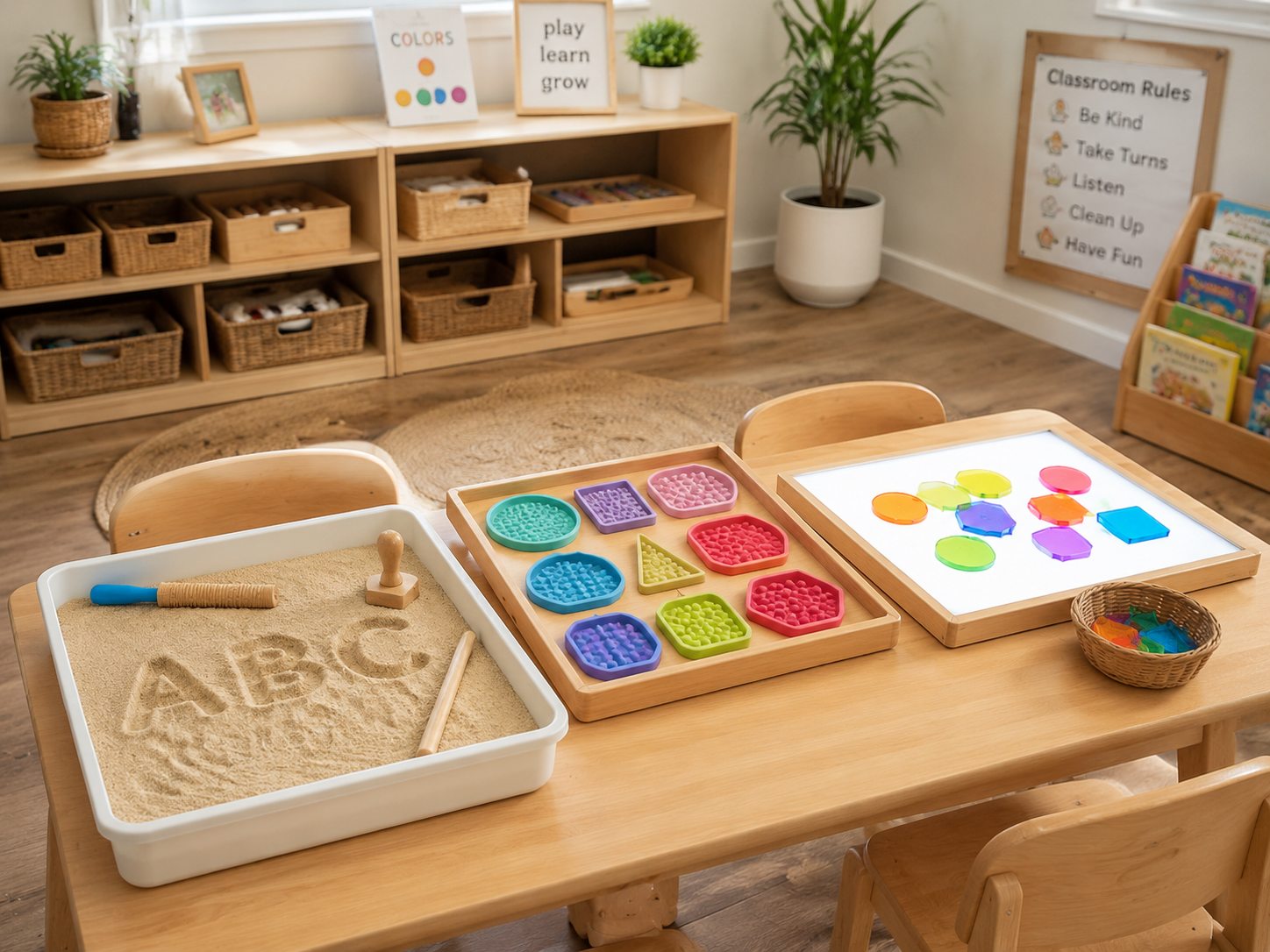
Textured sorting sets — silicone or fabric sets where children match surfaces by feel rather than visual cues. When done with eyes closed or with vision occluded, these build tactile memory rather than just color recognition. A five-year-old completing a tactile matching activity without visual input is engaging a fundamentally different cognitive process than one who sorts by color.
Sensory bins with themed fills — sand, rice, water beads, or shredded paper combined with small objects for scooping, pouring, burying, and discovering. The learning value scales with the teacher’s integration: a sensory bin filled with small plastic animals becomes a language-rich activity when teachers narrate and extend vocabulary during play.
Kinetic sand and sensory dough — moldable materials that provide deep proprioceptive input through the hands while developing grip strength and fine motor control. Unlike standard play dough, kinetic sand’s cohesive-but-crumbly properties create a distinctive tactile experience that most children find highly regulating.

Visual and Light-Based Sensory Tools
Light tables with translucent shape sets are among the highest-value sensory investments for preschool classrooms, largely because of their curriculum integration potential. The same tool supports color mixing exploration for three-year-olds, geometric shape sorting for four-year-olds, and pattern sequencing for five-year-olds — all while providing the calming, focused visual sensory input that supports sustained attention.
Color-spectrum sorting sets — translucent chips, tiles, or shape sets in graduated hues — teach color discrimination at a precision level that standard opaque toys don’t achieve. Children who sort twelve shades of blue by intensity are building visual discrimination skills that transfer directly to letter and number recognition.
Auditory Sensory Tools
Sound-matching shaker sets are among the most underutilized sensory toys in preschool classrooms relative to their developmental value. A standard set contains paired containers filled with different materials — rice, sand, small beads, bells — which children match by shaking and listening. The activity develops auditory memory, sequential processing, and concentration — skills that map directly to phonological awareness development.
A classroom case worth noting: a preschool teacher in an inclusive setting used a sound-matching activity as a five-minute transition ritual between free play and circle time. Children who had difficulty self-regulating during transitions were given the task of finding the matching shaker pair before sitting down. Over six weeks, the teacher documented a measurable reduction in transition-related behavioral incidents — not because the activity was therapeutic, but because it gave sensory-seeking children a legitimate, focused outlet for their regulatory needs during a vulnerable transition moment.

Proprioceptive and Vestibular Tools
These categories address the sensory needs that most directly affect sitting behavior, impulse control, and attention during structured learning — yet they’re consistently the most underpurchased category in general preschool settings.
Wobble cushions and inflatable seat discs provide vestibular and proprioceptive input during seated activities. Children who need movement to regulate their arousal levels can get that input without leaving their seat, which matters significantly in circle time and small-group instruction. Research from occupational therapy literature suggests that dynamic seating interventions can reduce in-seat fidgeting and improve on-task behavior for children with sensory processing differences — and show no negative effects for neurotypical children sharing the same resources.
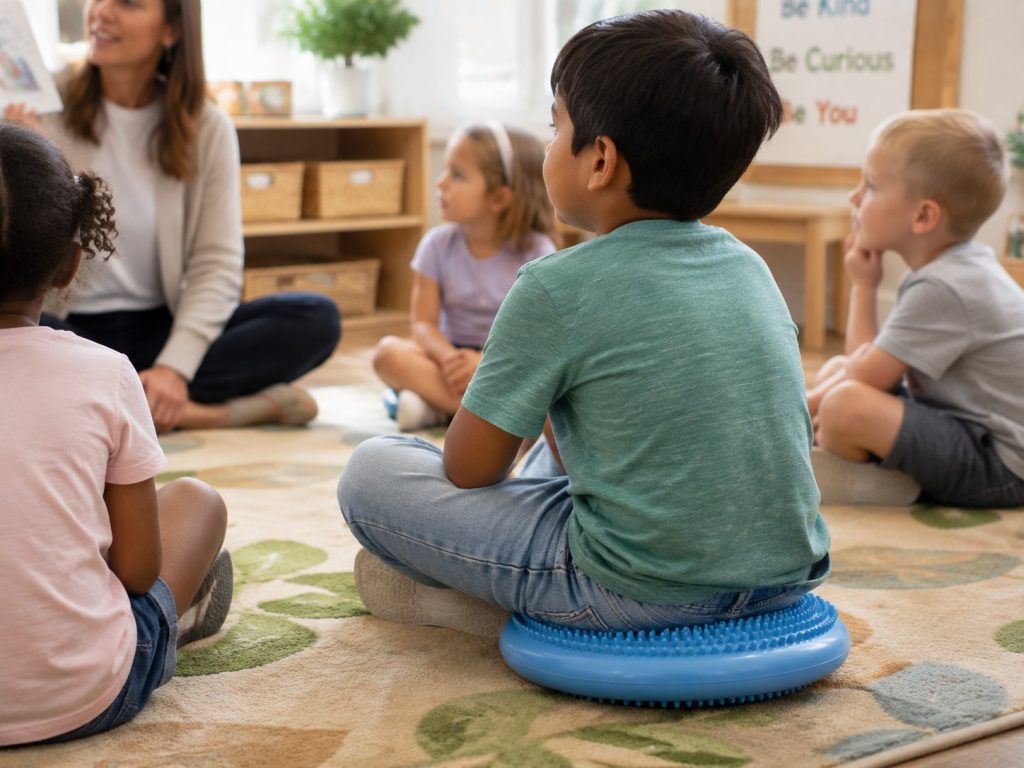
Weighted lap pads (typically 1–2 lbs for preschool-aged children, following the general occupational therapy guideline of approximately 10% of body weight) provide deep pressure proprioceptive input that many children find regulating. They’re particularly useful during storytime, seat work, and any period requiring sustained focused attention.
Balance boards support vestibular development during active movement periods and can be incorporated into gross motor stations or outdoor learning environments.
What to Actually Check Before Purchasing: Safety Beyond the Label
Standard safety compliance — CE, ASTM F963, EN71 — is the floor, not the ceiling of what school buyers should verify. Here’s what that means in practice for preschool procurement:
Material specifications matter more than brand claims. For any sensory toy involving oral contact risk (which in preschool means virtually anything), the relevant standards are:
- Food-grade silicone (vs. standard industrial silicone) for chewable or mouthable tactile toys
- Phthalate-free certification — specifically the absence of DEHP, DBP, and BBP, which are the phthalates most commonly present in PVC-based toys and most associated with developmental risk
- BPA-free and BPS-free for any plastic sensory toys involving water or heat exposure
- Non-toxic pigments — water-based, ASTM D4236 certified for any painted surfaces
Ask suppliers for material safety data sheets (MSDS) or equivalent documentation, not just compliance stickers. A supplier unwilling or unable to provide this documentation is a supplier worth removing from consideration.
Hygiene protocols for classroom use are rarely addressed in sensory toy marketing but are operationally critical. In a preschool setting where the same sensory toy passes through fifteen pairs of hands daily, cleaning compatibility is as important as durability. Effective classroom sensory toys should be:
- Fully immersible or surface-washable without material degradation
- Compatible with standard diluted bleach solutions (1:10 ratio) or alcohol-based disinfectants without color transfer or surface breakdown
- Free of fabric components that can’t be machine-washed (or should have clearly removable/replaceable fabric elements)
Sensory bins with organic fill materials — dried rice, beans, or pasta — require specific hygiene protocols. These materials harbor moisture and can develop mold in high-humidity environments. Schools in humid climates should either replace fills frequently (every 2–4 weeks depending on conditions) or transition to synthetic alternatives like colored sand or silicone beads.
Small parts management in group settings requires active protocols, not just age-appropriate labeling. The standard 3-year-old small parts warning is calibrated for individual home use, not 15-child classroom deployment. Any component small enough to be separated from its set becomes a choking risk in a preschool classroom regardless of the intended age rating. When evaluating sensory toys, purchasing decisions should favor:
- Sensory sets where all components are above 40mm in any dimension (the EU small parts standard for children under 36 months provides a useful baseline even for older age groups in group settings)
- Sets with clearly labeled component counts so missing pieces can be tracked
- Storage containers that keep sets complete between uses
Sensory toy application boundaries — knowing when not to use a specific tool — is an underaddressed operational issue. A few high-priority examples:
- Water beads (hydrogel beads) present a documented ingestion risk for young children despite their sensory value. Their use in preschool settings should be limited to closely supervised small-group activities, never in large-group or unsupervised sensory bin stations.
- Proprioceptive compression tools like weighted vests or deep-pressure wraps should not be used without guidance from an occupational therapist when applied to children with identified sensory processing disorders — though general-use weighted lap pads at appropriate weights are typically safe for broad classroom use.
- Auditory sensory tools producing sounds above 70dB (some commercial music toys exceed this) are not appropriate for extended classroom use and can contribute to auditory fatigue rather than sensory regulation.
A Framework for Evaluating Sensory Toys That Most Buyers Don’t Use
Here is a practical evaluation framework that separates genuinely useful classroom sensory tools from products that perform well in a 30-second demonstration but fail over a semester of real use.
The Three-Week Rule: A sensory toy that only works when it’s new is an entertainment product, not an educational tool. Evaluate sensory toys by asking: what does this offer after the novelty has worn off? Tools with open-ended use potential — a light table, a textured sorting set, a sound-matching game — maintain value because they support increasingly complex play as children develop. Single-function gadgets typically don’t.
The Teacher Absence Test: Would a teaching assistant with minimal training be able to set up and supervise this activity safely? Sensory tools that require extensive setup, constant supervision, or specialized knowledge to use safely are impractical for classroom environments where teacher-to-child ratios are often 1:8 or higher. Practical value decreases as operational complexity increases.
The Integration Test: Can this sensory toy be linked to at least two curriculum areas? A sensory bin with letter tiles connects to literacy. A sorting set connects to early math. A sound-matching game connects to phonological awareness. Sensory toys that can only be described as general “sensory play” without a curriculum hook are harder to sustain in programs with structured learning requirements — and harder to justify in school procurement conversations.
The Durability Projection: What does this product look like after 500 uses? Ask suppliers for material specifications and, where possible, testing data on wear resistance. Silicone components with UV-stabilized colorants significantly outlast painted wooden components or standard ABS plastic under repeated cleaning and handling. This isn’t just a cost-per-use calculation — it’s also a safety consideration, since degraded materials can introduce hazards that weren’t present in the original product.
For Distributors and Brand Partners: Where the Market Is Moving
The sensory toy segment is growing for structural reasons, not trend reasons. Increasing rates of sensory processing differences among preschool populations, wider adoption of inclusive classroom practices, and growing teacher awareness of sensory integration principles are all expanding the addressable market beyond specialty therapy product channels into mainstream early childhood education procurement.
The product positioning gap that most clearly exists right now is universal design sensory toys — tools that serve both children with identified sensory needs and the full general preschool population without requiring separate product lines. Brands that can credibly occupy this position, with documentation to back it up, are entering a segment where school buyers are actively looking for reliable suppliers and where the current offering is still dominated by products designed primarily for either the therapy market or the consumer toy market, with relatively few purpose-built for general school deployment.
For distributors evaluating product lines, the practical signals of a credible sensory toy supplier at this level include: published material safety documentation, educator guidance resources accompanying products, demonstrated understanding of curriculum integration rather than just product features, and the ability to support volume orders with consistent quality across batches.
Conclusion
Choosing sensory toys for preschoolers well requires more precision than the category typically gets. Age-appropriate selection, material safety verification, hygiene compatibility, and curriculum integration capacity are the standards that separate tools teachers actually use from products that accumulate in storage.
For schools and procurement teams, the underlying principle is worth stating directly: the cost of a sensory toy that doesn’t get used — or worse, creates a safety or hygiene issue — is always higher than the cost of better specification at the purchasing stage. The questions to ask suppliers are specific, the documentation to request is real, and the developmental framework for evaluating which sensory toys belong in a preschool classroom is available and established.
Sensory learning in early childhood isn’t a trend that requires new theory. It’s applied developmental science that requires better tools and more informed purchasing decisions.