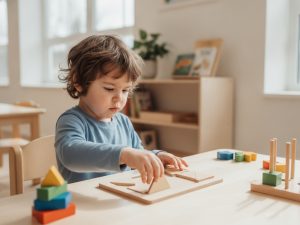
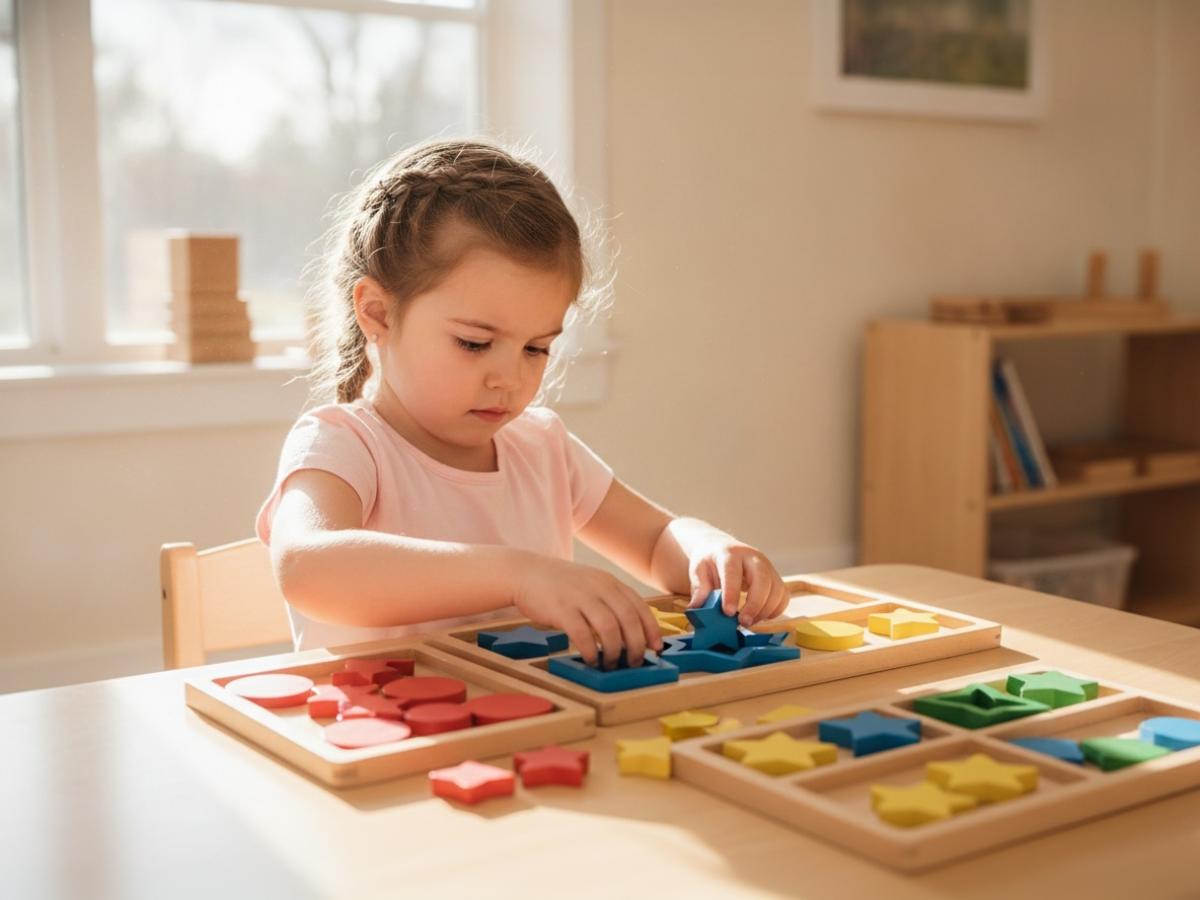
Children begin recognizing patterns long before they learn formal mathematics. They discover repetition through colors, sounds, shapes, numbers, and everyday routines. When a child notices that a blue piece always follows a yellow piece or that objects can be grouped by similar features, they are developing the foundation of logical thinking and early mathematical reasoning.
Many parents, educators, and educational product buyers ask: How do Sorting Toys help children understand patterns? The answer is that these toys transform abstract concepts into hands-on learning experiences. By allowing children to classify, compare, organize, and predict relationships between objects, Sorting Toys create opportunities for meaningful cognitive development.
For schools, retailers, and educational distributors, choosing the right Sorting Toys supplier is also an important decision. Products that combine educational value, durable design, and market adaptability are more likely to provide long-term value for both children and businesses.
Why Are Sorting Toys Effective for Pattern Learning?
Children understand patterns through exploration rather than memorization. When using Sorting Toys, they learn to identify similarities and differences between objects, create groups, and recognize sequences through repeated practice.
Research in early childhood education indicates that classification and sequencing activities contribute to early mathematical development because children first learn to recognize relationships before working with numbers and formulas.
For example, when children arrange sorting pieces according to color patterns such as red-blue-red-blue, they are already practicing prediction and logical organization. These simple actions develop the same thinking processes later used in mathematics, science, and problem-solving.
For educational toy brands and wholesalers, this learning value explains why Sorting Toys continue to be popular products in preschool education markets. They are not only play products but also learning tools that support measurable developmental outcomes.
How Do Sorting Toys Improve Cognitive Development?
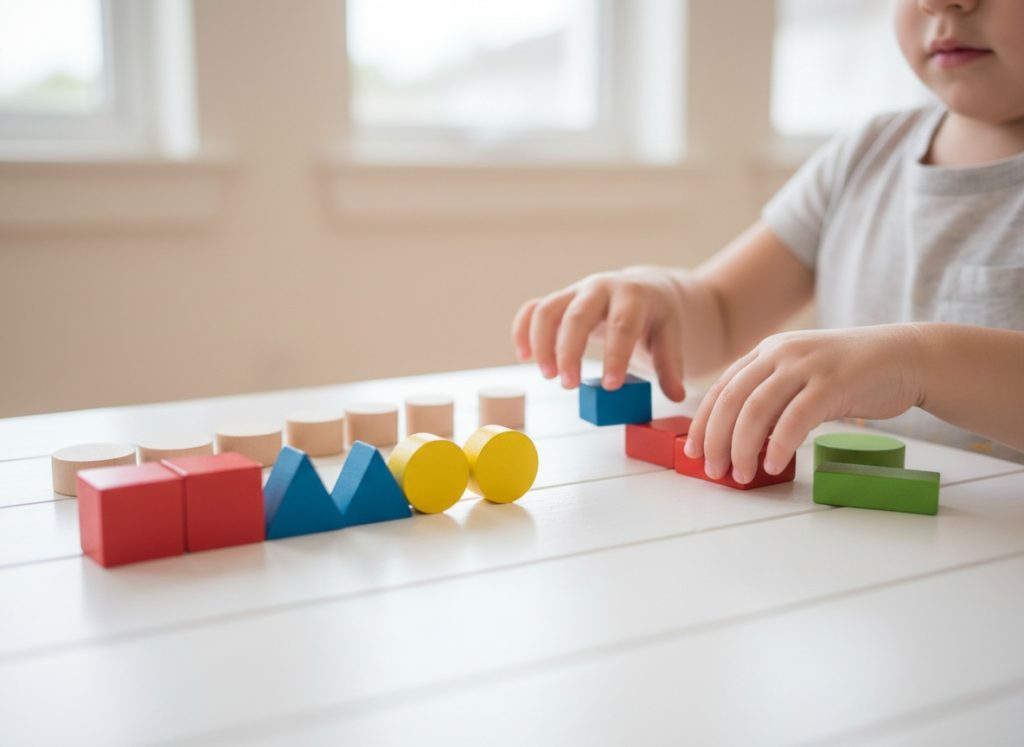
Sorting Toys encourage children to analyze information, make decisions, and solve problems independently. Unlike toys that provide only one fixed activity, well-designed sorting products allow children to explore different solutions and gradually develop stronger reasoning skills.
Research shows that classification activities can support executive functions, including attention control, flexible thinking, and decision-making abilities. These skills influence children’s performance in mathematics, language learning, and scientific exploration.
Developing Logical Thinking Through Sorting Activities
Every sorting activity requires children to create and follow rules. They compare objects, identify common characteristics, and decide where each piece belongs.
As children become familiar with basic sorting, they can move toward more advanced activities involving multiple conditions, such as organizing pieces by both color and shape. This progression helps children develop analytical thinking while maintaining interest through continuous challenges.
Improving Visual Recognition and Classification Skills
Visual recognition is another important ability developed through sorting activities. Children learn to notice differences in size, shape, texture, and color, which helps them understand how objects relate to each other.
For educational toy manufacturers, this explains why many Montessori sorting toys are designed with multiple visual elements. Products that encourage comparison and classification often provide broader learning opportunities than toys focused on a single function.
How Sorting Toys Combine Learning with Fine Motor Development?
One major advantage of Sorting Toys is their ability to connect cognitive learning with physical interaction. Children must use their hands to pick up, move, rotate, or place pieces while thinking about where each item belongs.
Studies in early childhood education suggest that hands-on activities improve engagement because children actively participate rather than simply observe.
For example, wooden sorting toys may combine color recognition, shape matching, and object placement in one activity. These actions help children strengthen hand-eye coordination and fine motor skills while continuing to explore patterns and classification.
This combination of educational value and practical usability is one reason why Sorting Toys are widely used by preschools, Montessori classrooms, and educational retailers.
What Features Make Sorting Toys More Valuable for Educational Markets?
Not all educational toys provide the same learning experience. For buyers evaluating wholesale Sorting Toys, product design directly affects customer satisfaction, classroom usability, and repeat purchasing potential.
Progressive Learning Design
Effective Sorting Toys usually provide different difficulty levels. Children may begin with simple color matching and gradually move toward sequencing, pattern creation, and independent problem-solving.
This type of design allows one product to support different learning stages, which is valuable for schools and retailers looking for products with longer usage cycles.
Custom Sorting Toys for Different Market Needs
For educational brands and distributors, customization is often an important purchasing consideration. Professional Sorting Toys manufacturers may provide solutions such as:
- Customized shapes and colors
- Private label packaging
- Different piece quantities
- Educational activity cards
- OEM and ODM product development
These options allow businesses to create products that match specific customer groups, regional education trends, or retail positioning strategies.
Choosing Sorting Toys Suppliers: Key Factors for Buyers
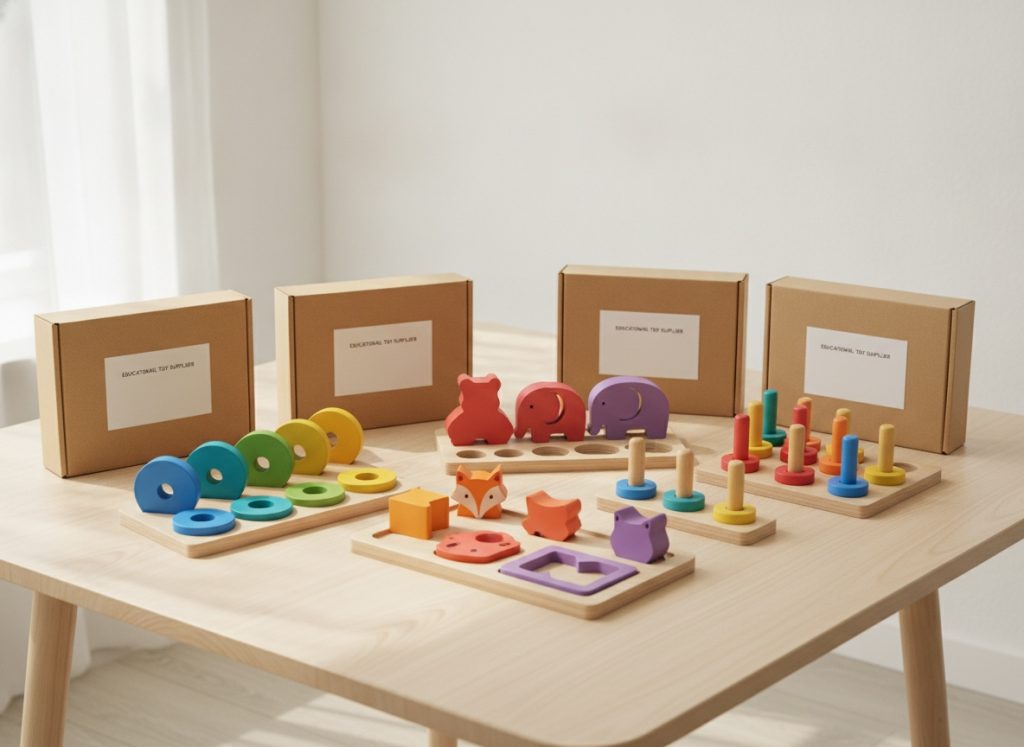
When purchasing Sorting Toys wholesale, businesses usually evaluate more than product appearance. Supplier capability, production consistency, and customization support all influence long-term cooperation.
| Evaluation Factor | Importance for Buyers |
| Product design capability | Helps create differentiated educational products for competitive markets. |
| Material selection | Influences durability, user experience, and product positioning. |
| Production capacity | Ensures stable supply for retailers, distributors, and school projects. |
| Quality control process | Reduces product issues during large-scale orders. |
| Customization options | Supports private label and unique market requirements. |
For companies searching for an educational toy supplier, selecting a manufacturer with experience in learning-focused products can help create stronger product value and improve market competitiveness.
Why Sorting Toys Continue Supporting Learning Beyond Preschool?
The educational value of Sorting Toys extends beyond basic preschool activities. As children develop, these products can introduce more advanced concepts, including sequencing, symmetry, numerical relationships, and early STEM thinking.
Research suggests that children who regularly participate in classification and pattern-building activities often demonstrate stronger confidence when approaching mathematical concepts later.
For retailers and distributors, this creates an important commercial advantage. Unlike products designed for only one stage of play, versatile Sorting Toys can appeal to multiple customer groups, including parents, schools, learning centers, and educational organizations.
A well-developed product line can also include related categories such as Montessori toys, wooden educational toys, fine motor skill toys, and preschool learning products, helping brands build a broader educational product portfolio.
Why Work With Professional Sorting Toys Manufacturers?
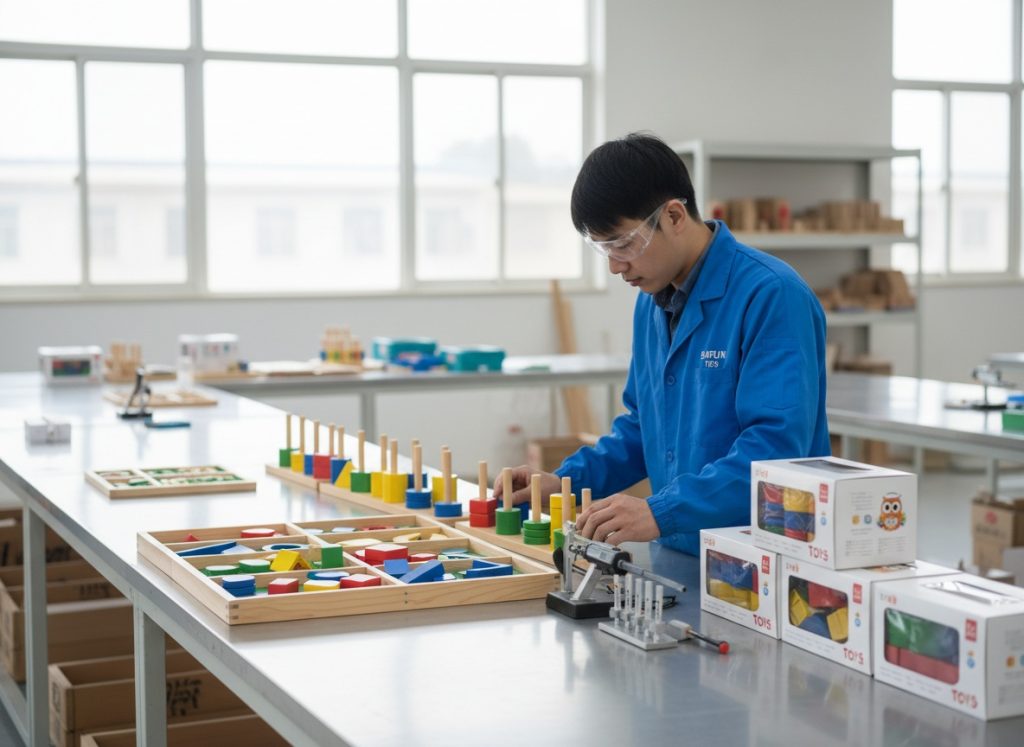
For companies entering or expanding within the educational toy market, supplier selection directly affects product quality, delivery reliability, and brand reputation.
A professional Sorting Toys manufacturer can support businesses through product development, manufacturing expertise, packaging customization, and bulk order management.
Compared with standard retail purchasing, working with experienced suppliers provides more flexibility for:
- Developing exclusive product designs
- Creating branded educational toy collections
- Adjusting products for different markets
- Supporting wholesale and distribution requirements
As demand for educational toys continues growing, businesses increasingly look for suppliers who can provide both reliable production and products with clear learning benefits.
FAQs
Are Sorting Toys suitable for Montessori learning?
Many Montessori education programs use sorting activities because they encourage independence, concentration, and hands-on exploration. Montessori sorting toys with simple structures and progressive challenges can support children’s ability to organize information and solve problems independently.
What should buyers consider when purchasing wholesale Sorting Toys?
Wholesale buyers should evaluate product quality, supplier reliability, customization options, production capacity, and educational value. A supplier that understands early learning principles can help create products that meet both market expectations and classroom requirements.
Can Sorting Toys be customized for private label brands?
Yes. Many educational toy manufacturers provide OEM and ODM services, including customized designs, colors, packaging, and product combinations. Custom sorting toys allow brands and distributors to create differentiated products for specific markets.
Conclusion
Patterns are the foundation of mathematical thinking, logical reasoning, and problem-solving skills. Research shows that children develop these abilities more effectively when they actively interact with objects and discover relationships through hands-on experiences.
Sorting Toys provide a combination of educational benefits, including pattern recognition, cognitive development, fine motor practice, and creative exploration. For parents and educators, they offer meaningful learning opportunities. For retailers, distributors, and educational brands, they represent a product category with strong educational value and commercial potential.
Choosing the right Sorting Toys manufacturer can help businesses develop reliable products, support customer needs, and build a stronger position in the educational toy market. As demand continues increasing for learning-focused products, well-designed Sorting Toys remain a valuable choice for companies seeking long-term growth opportunities.