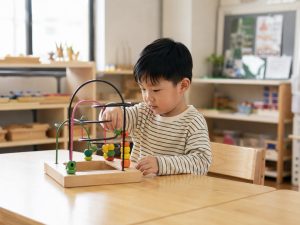
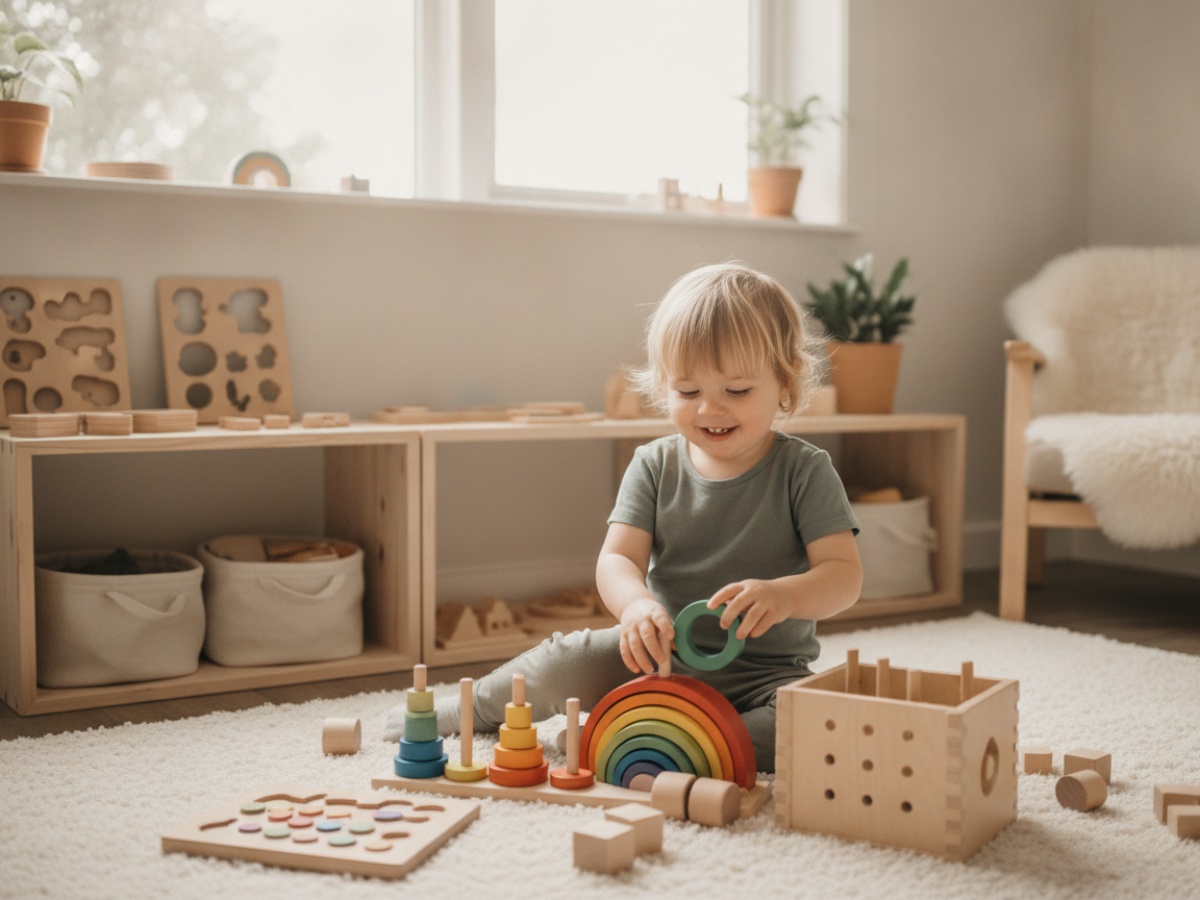
In recent years, growing attention to child-centered education has influenced the way parents and educators approach early learning. Among the many educational resources available today, Montessori Toys have become increasingly popular because they encourage children to explore, experiment, and learn at their own pace.
According to UNICEF, approximately 90% of brain development takes place before the age of five. During these early years, meaningful interactions and sensory experiences help establish the neural pathways that support language, memory, and emotional regulation. For this reason, many families and educational institutions are placing greater emphasis on learning materials that promote active engagement rather than passive entertainment.
Unlike toys that rely heavily on flashing lights or pre-programmed responses, Montessori Toys encourage children to participate actively in the learning process. Through repetition, observation, and hands-on experiences, children gradually develop practical skills and confidence. This educational philosophy has contributed to the growing demand for educational Montessori toys among parents, schools, retailers, and Montessori toy manufacturers worldwide.
Why Montessori Toys Support Early Childhood Development
The philosophy behind Montessori Toys originates from the work of Dr. Maria Montessori, who believed that children learn naturally through movement and exploration. Rather than directing every activity, adults provide carefully prepared environments that allow children to discover concepts independently.
Researchers at Harvard University’s Center on the Developing Child have noted that early experiences play a critical role in shaping brain architecture. Responsive environments and meaningful activities contribute to stronger cognitive and social development.
Many educational Montessori toys are intentionally designed to focus on one skill at a time. This approach helps children concentrate on specific tasks without unnecessary distractions.
“The hands are the instruments of man’s intelligence.”
— Maria Montessori
Observations from preschool programs indicate that repeated hands-on activities help children develop patience, attention, and confidence over time.
How Montessori Toys Encourage Independent Learning
One of the defining features of Montessori Toys is their ability to encourage independence. Instead of rewarding children with sounds or lights, Montessori learning toys allow them to identify mistakes naturally and improve through repetition.
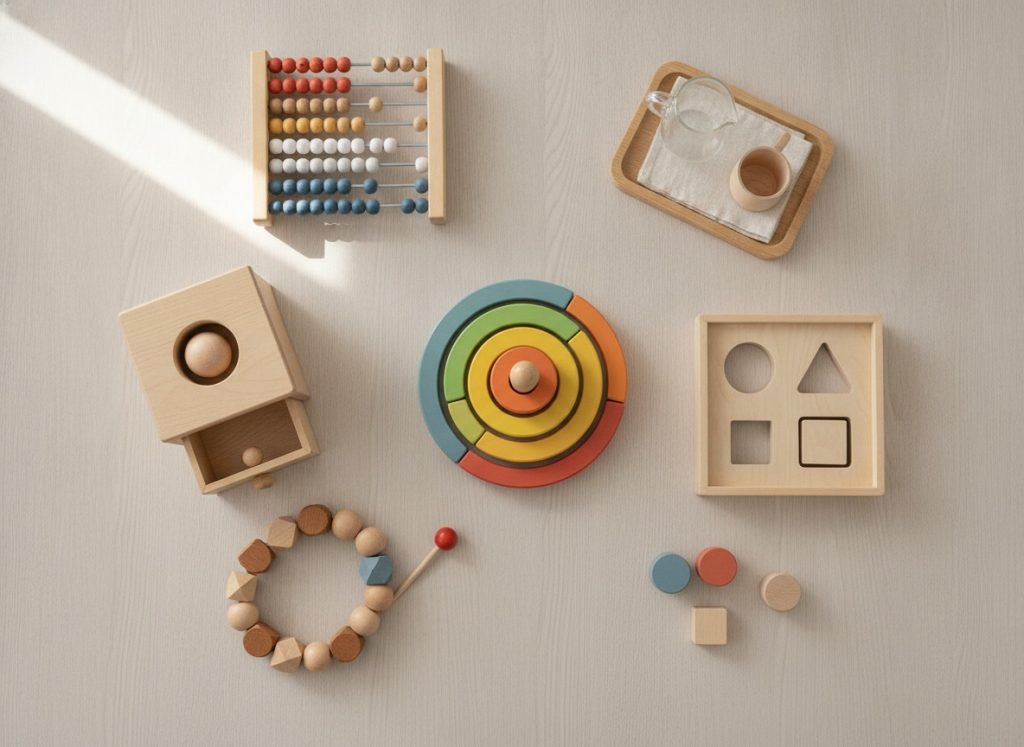
For example, when children work with a shape sorter or an object permanence box, they gradually understand relationships between objects without constant instruction. This process strengthens persistence and encourages self-correction.
Findings published in Frontiers in Psychology suggest that Montessori-based educational approaches are associated with positive outcomes in both academic and social development. As a result, educational Montessori toys have gained increasing recognition among teachers and parents around the world.
Educational specialists generally agree that opportunities for independent exploration help children become more comfortable solving unfamiliar problems and adapting to new situations.
According to child development experts, repetition remains one of the most effective ways for young children to acquire new skills.
How Montessori Toys Promote Cognitive Development
Because brain development progresses rapidly during early childhood, sensory experiences provide valuable opportunities for learning. Montessori Toys are designed to communicate information through shape, weight, texture, and movement, allowing children to understand concepts through direct interaction.
Building Concentration and Memory
Sorting games and matching activities require children to focus their attention and repeat actions. Researchers have found that these experiences support memory retention and help children develop longer attention spans.
Supporting Early Mathematical Thinking
Counting beads and stacking materials introduce concepts such as quantity, sequencing, and spatial relationships. According to the American Montessori Society, manipulative learning materials help children understand mathematical concepts more effectively because learning occurs through physical experiences.
Supporting Language Development
Language development is closely connected with sensory exploration and interaction. Naming objects, describing colors, and identifying shapes during play help expand vocabulary and strengthen communication skills.
Enhancing Sensory Exploration
Texture boards, sound cylinders, and color tablets encourage children to distinguish differences through observation. Data published by early childhood researchers indicate that rich sensory experiences contribute significantly to neural development during the preschool years.
Developing Problem-Solving Skills
Unlike toys that follow fixed patterns, many Montessori Toys support open-ended play. This flexibility allows children to experiment and discover different solutions, encouraging curiosity and creative thinking.
Popular Types of Montessori Toys
As interest in educational Montessori toys continues to increase, several categories have become particularly popular among families and schools.
Wooden Montessori Toys
Wooden Montessori toys are valued for their durability and tactile qualities. Shape sorters, stacking blocks, and object permanence boxes allow children to experience different textures and weights during play.
Many manufacturers use solid beech wood panels with thicknesses ranging from 15 mm to 18 mm and apply water-based coatings to create smooth surfaces suitable for daily use.
Sensory Montessori Toys
Sensory toys help children distinguish colors, textures, and sounds. Texture boards and sound cylinders are frequently used to stimulate observation and sensory discrimination.
Fine Motor Montessori Toys
Threading beads, peg boards, and screw-and-bolt sets strengthen finger muscles and hand-eye coordination, supporting later writing and practical life skills.
Practical Life Toys
Practical life materials such as dressing frames and pouring sets encourage independence by helping children practice movements commonly used in daily routines.
Montessori Toys vs Traditional Toys
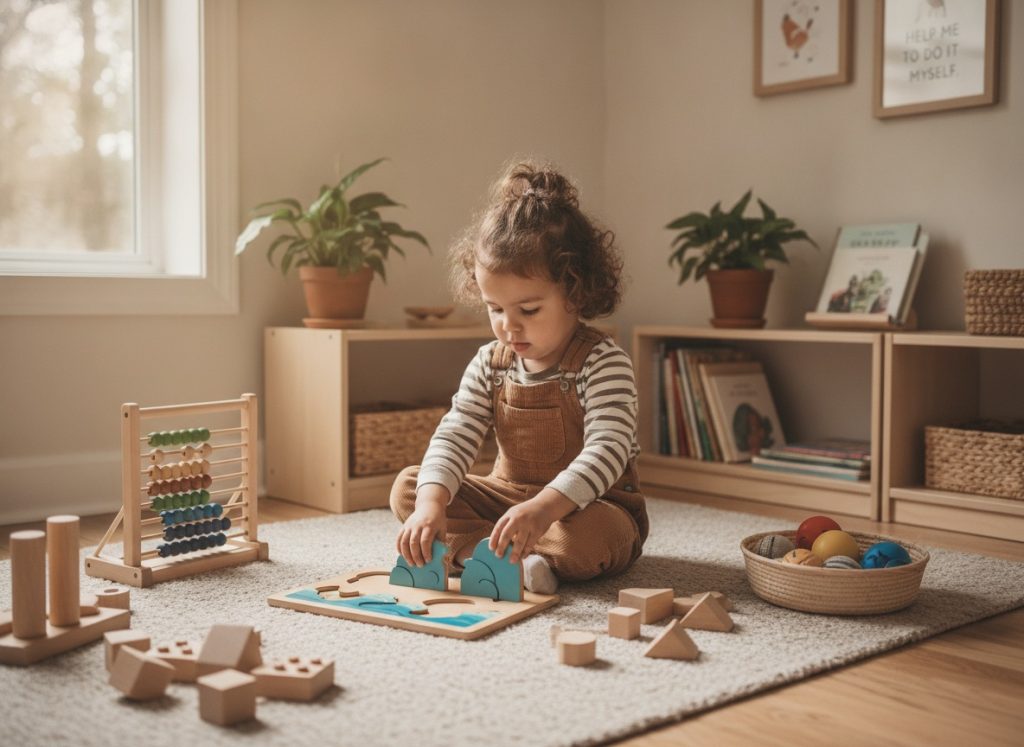
Although both types of toys provide opportunities for play, their approaches to learning are different.
| Aspect | Montessori Toys | Traditional Toys |
| Learning Style | Child-led exploration | Instruction-based |
| Play Pattern | Open-ended | Predetermined |
| Sensory Engagement | Strong | Moderate |
| Creativity | Encouraged | Limited by design |
| Skill Development | Progressive | Entertainment-oriented |
Traditional toys often provide immediate feedback and predefined outcomes. In contrast, Montessori Toys encourage children to observe, experiment, and solve problems independently.
Neither approach is inherently right or wrong. However, many educators believe that open-ended materials provide greater opportunities for concentration and creativity. As a result, families seeking educational experiences often gravitate toward Montessori-inspired products.
Why Parents and Educators Prefer Montessori Toys
Growing awareness of screen-time management has encouraged families to seek alternatives that support active engagement. The American Academy of Pediatrics recommends prioritizing meaningful interactions and hands-on experiences during early childhood.
As a result, Montessori Toys have become increasingly popular among parents looking for learning materials that foster creativity and concentration.
Teachers also appreciate Montessori-inspired materials because they allow children to progress at their own pace. Rather than focusing solely on outcomes, children are encouraged to repeat activities and build confidence gradually.
Market observations further indicate that demand for wooden Montessori toys and sensory learning products has continued to rise across North America, Europe, and Asia.
Why Montessori Toys Continue to Grow in Popularity
Industry reports published by Grand View Research indicate that the global educational toy market is expected to maintain steady growth in the coming years. Increasing awareness of early childhood development and growing interest in screen-free activities have contributed to this trend.
Data from preschool programs and educational organizations suggest that parents are paying closer attention to toys that provide long-term developmental value rather than short-term entertainment.
The popularity of Montessori Toys has also created new opportunities for manufacturers, distributors, and educational brands. Retailers are increasingly seeking products that align with modern parenting philosophies and support child-centered learning.
How to Choose Montessori Toys for Different Developmental Stages
Selecting appropriate Montessori Toys requires consideration of children’s developmental milestones rather than simply following trends.
| Development Stage | Recommended Montessori Toys | Learning Focus |
| 0-12 months | Sensory balls, grasping toys | Visual tracking |
| 1-2 years | Stacking rings, object permanence boxes | Cause and effect |
| 2-3 years | Shape sorters, peg boards | Coordination |
| 3-5 years | Counting beads, practical life sets | Independence |
Educational specialists generally recommend choosing materials that are challenging enough to stimulate learning without causing frustration.
Parents searching for the best Montessori toys for toddlers often discover that age-appropriate materials provide more meaningful learning opportunities than simply increasing the number of toys available.
Common Mistakes Parents Make When Buying Montessori Toys
Choosing educational toys can be overwhelming, especially for first-time parents. However, several common mistakes may reduce the effectiveness of otherwise well-designed learning materials.
Choosing Toys That Are Too Complex
Activities that exceed children’s current abilities may lead to frustration and reduced interest. Matching materials with developmental stages often produces better results.
Buying Too Many Toys at Once
Observations from Montessori classrooms suggest that a limited number of carefully selected toys can help children maintain concentration and avoid overstimulation.
Focusing Only on Appearance
Bright colors and elaborate designs do not necessarily translate into better learning experiences. Functional design and educational purpose are often more important.
Ignoring Developmental Milestones
Children develop at different rates. Selecting materials based on individual abilities rather than age alone can support more effective learning.
What Professional Montessori Toy Manufacturers Focus On
As demand for custom Montessori toys increases, quality and craftsmanship have become essential considerations for retailers and educational brands.
Professional Montessori toy manufacturers often use solid beech wood components with thicknesses between 15 mm and 18 mm to improve durability. Rounded edges with approximately 3 mm radii help create smoother surfaces, while water-based coatings enhance tactile experiences.
Large puzzle pieces measuring over 4.5 cm allow children to grasp objects comfortably, and stacking rings ranging from 3 cm to 9 cm in diameter provide progressive levels of difficulty.
Many Montessori toys suppliers also provide OEM and ODM services, customized packaging solutions, logo printing, and product development support. These capabilities have made custom Montessori toys increasingly attractive to distributors and retailers seeking differentiated product lines.
Detailed specifications and clearly defined educational purposes often help brands establish professional credibility and strengthen customer trust.
Frequently Asked Questions About Montessori Toys
Are Montessori Toys worth buying?
Many educational specialists believe that Montessori-inspired materials provide meaningful opportunities for children to develop concentration, coordination, and independence through hands-on experiences.
Why are wooden Montessori Toys so popular?
Wooden Montessori toys offer durability and natural tactile feedback. Solid beech wood components and carefully polished surfaces also contribute to a comfortable user experience.
What are the best Montessori Toys for toddlers?
Stacking rings, object permanence boxes, shape sorters, and sensory balls are among the most popular Montessori toys for toddlers because they support early cognitive and motor development.
How many Montessori Toys should children have?
Montessori educators generally emphasize quality rather than quantity. A smaller selection of purposeful materials often helps children maintain focus and engage more deeply with each activity.
Conclusion
The increasing popularity of Montessori Toys reflects a broader understanding of how young children naturally learn. Research from UNICEF, Harvard University’s Center on the Developing Child, and leading educational organizations consistently highlights the importance of active exploration and meaningful experiences during the early years.
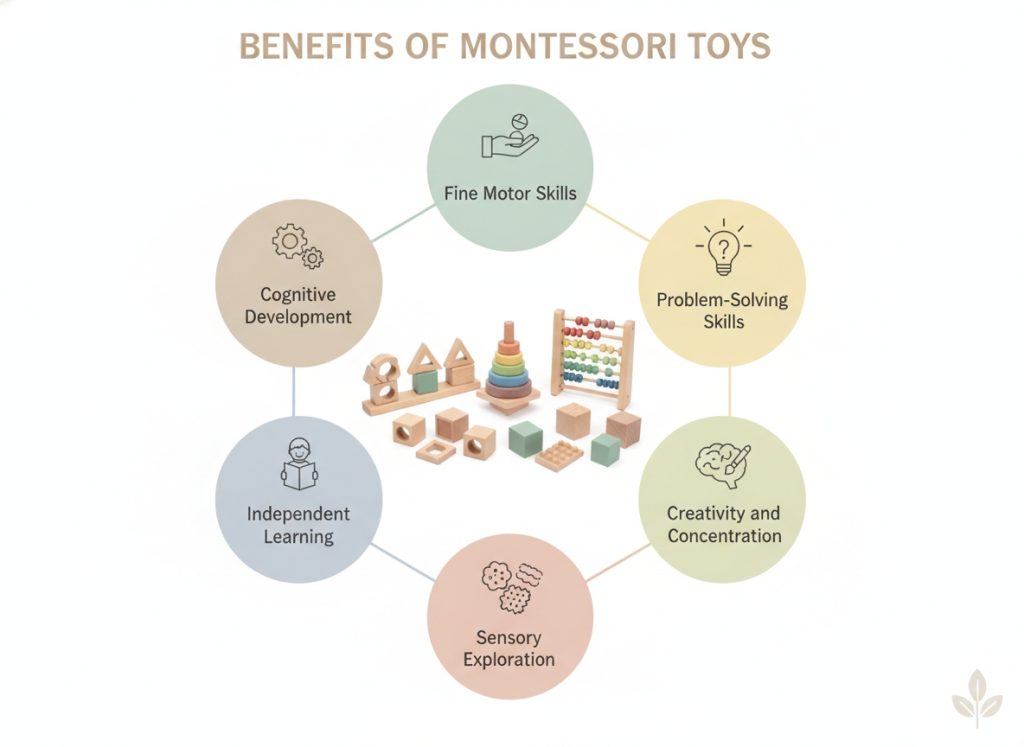
From promoting cognitive development and fine motor coordination to encouraging independence and creativity, educational Montessori toys provide valuable opportunities for children to develop essential life skills through purposeful play.
Although no single product determines a child’s future success, evidence suggests that thoughtfully designed Montessori Toys can contribute positively to early childhood development. For retailers, schools, and educational brands, working with experienced Montessori toy manufacturers and suppliers can help ensure product quality while providing customized solutions tailored to different markets and learning environments. As demand for child-centered education continues to expand, Montessori Toys are expected to remain an important category within the global educational toy industry.