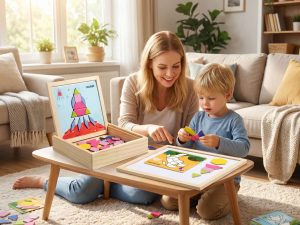
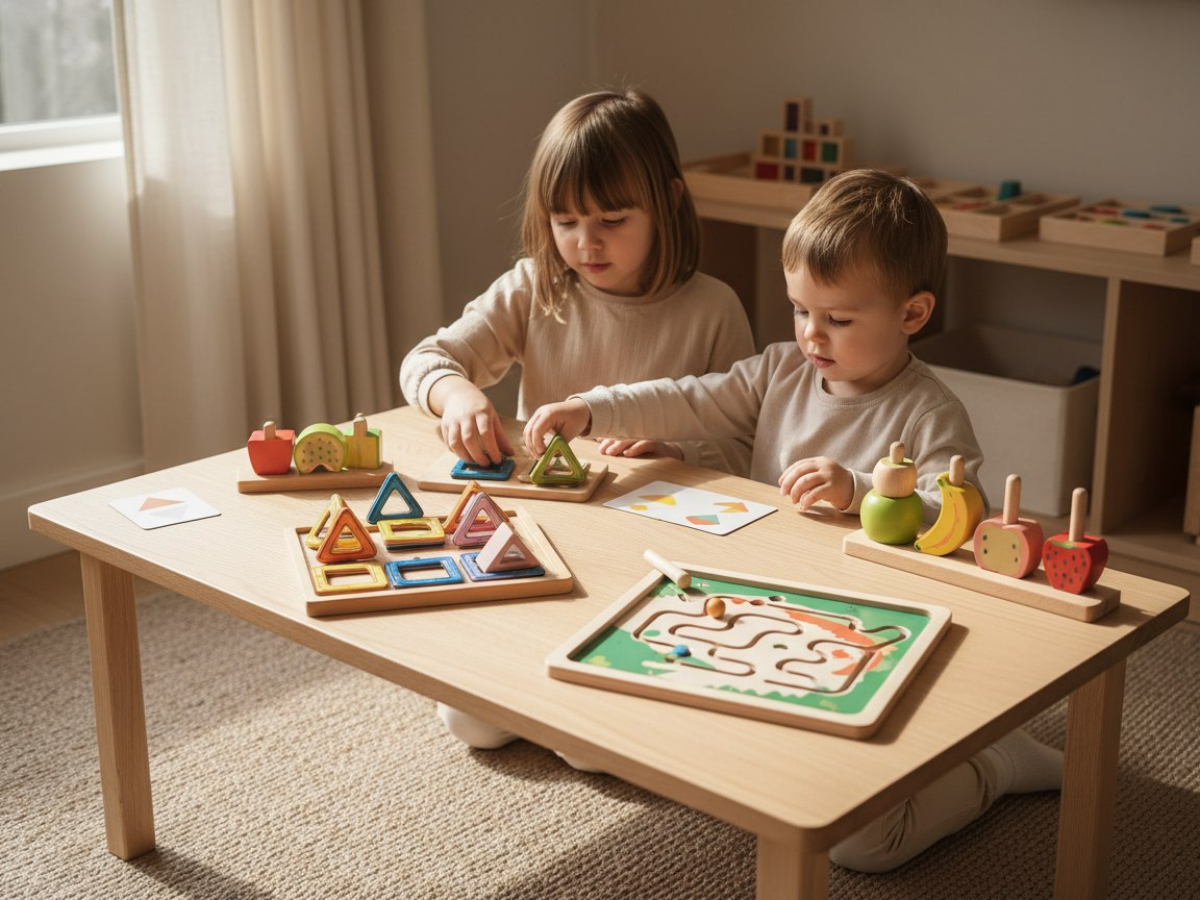
Parents today pay closer attention to toy safety than ever before. According to data released by the U.S. Consumer Product Safety Commission (CPSC), thousands of toy-related injuries are reported every year, many involving products that fail to meet basic material, labeling, or structural safety requirements.
For preschool children, especially ages 3+, toy safety standards are no longer just a manufacturing detail — they directly influence purchasing decisions, school procurement policies, and long-term brand trust.
This is why more retailers, educators, and parents are specifically searching for CE and CPC certified toys before purchasing preschool learning products and safe educational toys.
For educational toy brands like VINDSTIER, safety compliance is not treated as a marketing slogan. Instead, it becomes part of product design, material selection, packaging development, and quality inspection from the beginning.
What CE and CPC Certified Toys Actually Mean
Many consumers recognize the labels but may not fully understand the technical differences between CE and CPC certified toys.
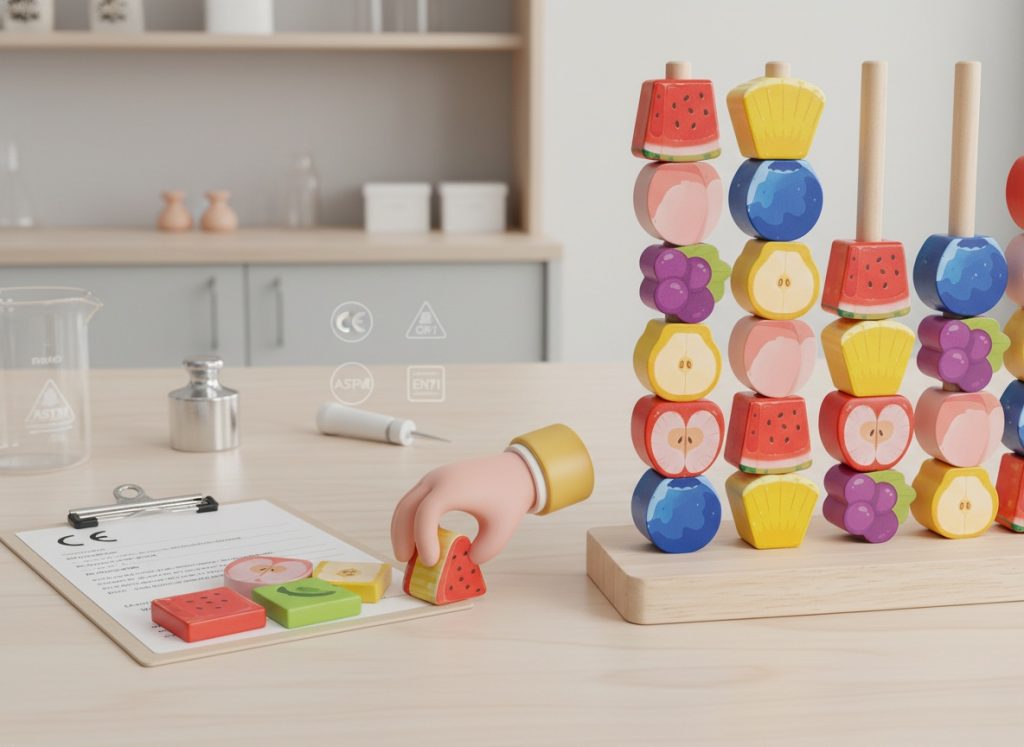
CE Certification for the European Market
CE certification indicates that a toy complies with European Union safety regulations, specifically under the Toy Safety Directive 2009/48/EC. This includes:
- EN71-1: Mechanical and physical safety requirements (e.g., sharp edges, tension tests)
- EN71-2: Flammability standards
- EN71-3: Chemical substance restrictions and heavy metal migration
Research published by the European Commission shows that stringent EN71 testing significantly reduces risks associated with detachable parts, sharp edges, and harmful chemical exposure in preschool toys. For wooden and magnetic educational toys, these tests are especially critical because young children frequently touch, stack, sort, and mouth components during play.
CPC Certification for the U.S. Market
CPC stands for Children’s Product Certificate. It is a mandatory requirement for children’s products sold in the United States under CPSIA (Consumer Product Safety Improvement Act) regulations.
A CPC-certified toy must undergo accredited third-party laboratory testing covering critical areas:
- Lead Content: Prevents harmful heavy metal exposure in paints and substrates (CPSIA Sec. 101).
- Phthalates: Restricts unsafe plasticizers and chemical additives in components (16 CFR Part 1307).
- Small Parts: Reduces choking hazards for toddlers and young learners (16 CFR Part 1501).
- Mechanical Safety: Evaluates structural durability during active and heavy play (ASTM F963).
Data from ASTM toy safety reports indicates that compliant testing procedures significantly reduce choking and injury incidents involving preschool educational products. For international buyers, ASTM toy compliance has transitioned from an optional marketing advantage to a strict, non-negotiable purchasing requirement.
Why CE and CPC Certified Toys Matter in Daily Use
Toy safety is often discussed in abstract regulatory terms, but its real impact becomes clear during everyday use. Children aged 3+ interact with learning materials differently than older kids. Preschool learning typically involves:
- Repetitive tactile handling and fine motor activities
- Throwing, dropping, and stacking objects on hard surfaces
- Chewing or mouthing edges during sensory exploration
- High-frequency magnetic interaction (for building sets)
Because of this intense usage, safe educational toys must withstand repeated physical stress without creating hidden hazards.
Research from early childhood development organizations shows that preschool children spend an average of several hours daily engaging in tactile learning activities. Products used this frequently require stronger structural reliability than decorative or occasional-use toys.
- For Magnetic Toys: They require controlled magnetic strength and secure internal assembly (like sonic welding) to avoid loose magnets, which pose severe internal injury risks if swallowed.
- For Wooden Toys: They need ultra-smooth edge finishing and stable, non-toxic paint adhesion to eliminate splintering or paint-chipping risks during repetitive handling.
Studies on preschool learning environments consistently show that material durability and structural safety are among the top concerns for educators selecting classroom toys. These factors explain why schools, distributors, and parents increasingly prioritize certified products when comparing educational tools online.

How Safety Standards Influence Educational Toy Quality
Safety standards are not just about compliance paperwork—they directly elevate product quality and the overall user experience.
Material Selection Affects Long-Term Safety
Parents increasingly expect CE and CPC certified toys to maintain their safety performance over time, not just when newly unboxed.For example, educational wooden toys designed for heavy preschool environments require:
- Eco-friendly, water-based surface coatings
- Rounded edge processing (radius corner treatment)
- Reinforced casing for magnetic structures
- Strict, repeated drop-resistance testing
This becomes particularly important for products involving math learning, sorting games, and STEM activities because these toys are frequently reused across multiple school terms or homeschool settings.
At Vindstier, several educational toy categories — including our Magnetic Fraction Teaching Aids, Magnetic Pattern Blocks, Wooden Number Blocks, and interactive Sorting Toys — are designed specifically for repeated hands-on learning scenarios. Rather than focusing solely on aesthetics, our development process prioritizes practical classroom interaction and preschool safety expectations.
Safety Standards Build Parent Trust
Search trend data from Google shows a rising global search volume for phrases such as:
- “Non-toxic preschool toys”
- “ASTM toy compliance checklists”
- “Safe educational toys for classrooms”
This shift suggests that safety has integrated into the consumer buying decision itself. Parents and educators are no longer choosing toys solely based on entertainment value; they evaluate whether a product aligns with educational goals and recognized safety benchmarks simultaneously.
Why Retailers and Schools Prefer CE and CPC Certified Toys
For wholesalers, educational distributors, and preschool purchasing managers, transparent compliance documentation reduces sourcing uncertainty and legal risks. In international trade, products lacking proper testing documentation frequently encounter:
- Customs delays and confiscation
- E-commerce marketplace restrictions (e.g., Amazon Compliance Reviews)
- Retailer rejections and product recalls
- Severe liability and legal concerns
Because of this, B2B buyers now exclusively partner with educational toy manufacturers that provide complete compliance packages: CE documentation, CPC certificates, ASTM F963 compliance reports, and raw material testing records. This trend is highly visible in Montessori and STEM toy categories, where educational institutions require detailed product specifications before procurement approval.
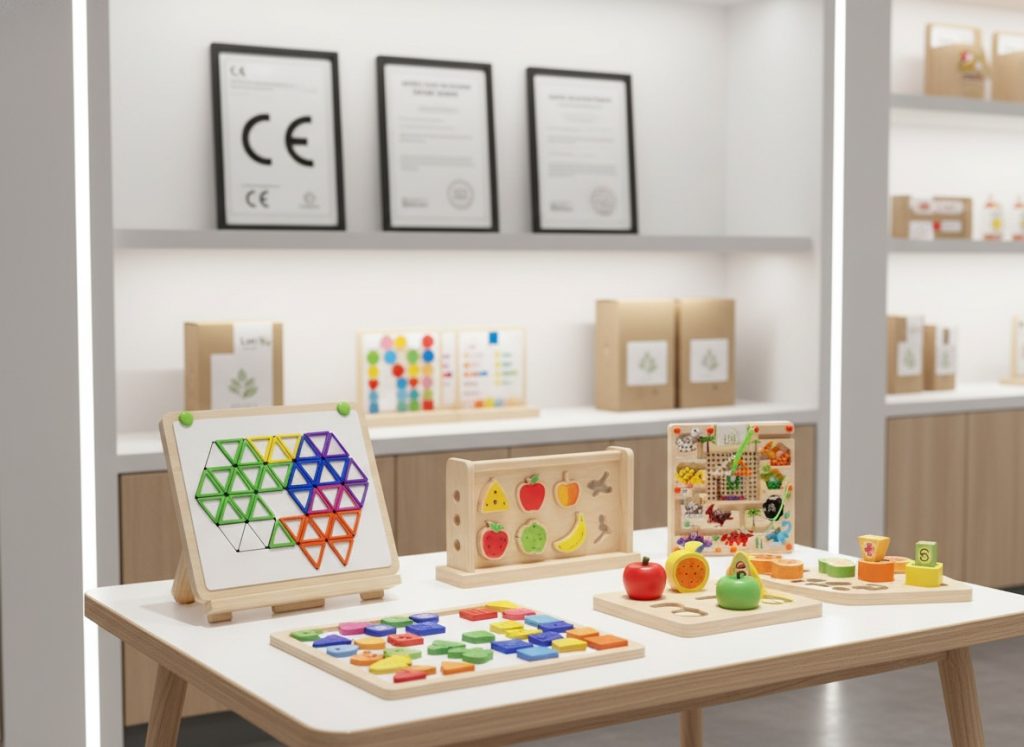
Key Factors Global Buyers Compare:
- Safety Certification: Minimizes customs hold-ups and legal/platform compliance risks.
- Material Safety: Protects the health of children in high-density preschool environments.
- Product Durability: Lowers replacement costs; suitable for repeated classroom play.
- Educational Value: Aligns seamlessly with early childhood curricula (STEM/Montessori).
- Factory Reliability: Ensures stable quality across large batch orders and long-term cooperation.
Conclusion: The Future of Safe Educational Play
The growing global demand for CE and CPC certified toys reflects a macro shift in how society evaluates children’s products. As international safety expectations continue to rise, CE and CPC certified toys will likely become the standard requirement for both educational institutions and global toy retailers. Today, toy safety standards influence not only regulatory approval, but also purchasing confidence, classroom suitability, and long-term brand credibility.
Rigorous compliance testing and ASTM procedures help uncover safety risks that may not be visible during casual product browsing. As educational play becomes more hands-on and interactive, these standards play an increasingly vital role in safeguarding preschool environments.
For brands like Vindstier that are focused on safe educational tools, transparent certification practices and thoughtful, durable product design are essential to building trust in competitive global markets. Manufacturers that prioritize both learning value and uncompromising safety consistency are the ones that will stand out in the years ahead.