Children today are growing up in a world filled with digital devices, interactive apps, and online learning platforms. While technology has created new possibilities for education and entertainment, many parents, educators, and toy brands are placing renewed attention on hands-on learning experiences.
This growing interest explains why Wooden Educational Toys continue to maintain strong demand in the global toy market. Rather than competing with digital products, wooden learning toys provide a different type of experience by encouraging children to touch, build, explore, and solve problems independently.
Research in early childhood education shows that children often develop important skills through active participation and practical experiences. Activities such as assembling, sorting, matching, and constructing allow children to understand concepts through direct interaction.
For toy brands, wholesalers, and retailers, this trend represents an opportunity to develop products that combine educational value, attractive design, and long-term play potential.
Why Are Wooden Educational Toys Still Popular in the Digital Age?
The continued popularity of wooden educational toys reflects changing expectations around early childhood learning. Many families are no longer looking only for toys that provide entertainment; they are looking for products that encourage creativity, concentration, and independent thinking.
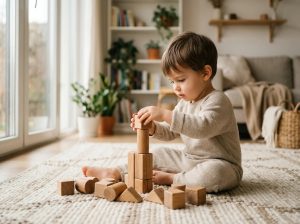
Unlike many digital activities that provide immediate responses, wooden toys require children to actively participate. A child completing a wooden puzzle needs to observe shapes, test different possibilities, and discover solutions. A building activity encourages experimentation with balance, structure, and imagination.
These simple interactions create meaningful learning opportunities.
The Growing Value of Hands-On Learning
The increasing popularity of hands-on toys does not mean digital learning tools have lost their value. Instead, current educational discussions suggest that children benefit from different learning methods working together.
Wooden toys offer unique sensory experiences because children can physically interact with objects. The process of moving pieces, arranging patterns, or constructing structures helps children connect actions with results.
For example, a wooden sorting activity allows children to explore colors, shapes, and categories through direct practice. Number-based wooden toys help introduce early mathematics by allowing children to count, arrange, and compare objects in a practical way.
This combination of learning and play is one of the main reasons wooden toys continue to be valued by families, preschools, and educational organizations.
How Wooden Educational Toys Support Early Childhood Development
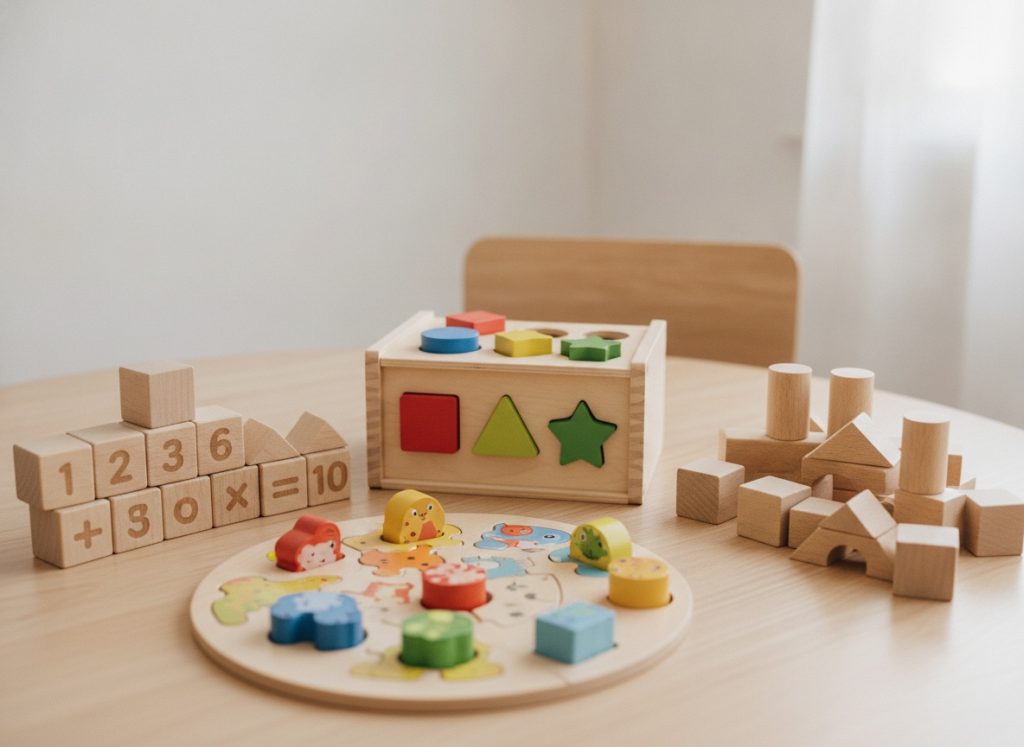
The educational value of wooden educational toys comes from their ability to support different areas of child development through natural play.
Studies in early childhood education indicate that activities involving problem-solving, construction, and hands-on exploration can support important learning foundations during the preschool years.
Wooden puzzles encourage logical thinking by requiring children to analyze shapes and discover solutions. Building toys support creativity and spatial awareness as children experiment with different designs. Sorting games introduce early concepts related to classification, patterns, and basic mathematics.
Another important advantage is that many wooden learning activities encourage children to complete tasks step by step. This process helps develop patience, focus, and independent thinking.
Learning Through Exploration and Creativity
Many modern educational approaches, including Montessori-inspired learning methods, emphasize the importance of practical experiences.
Wooden toys naturally support this approach because they often allow children to explore multiple ways of playing. A set of blocks can become a construction project, a counting activity, or a creative challenge depending on how children use their imagination.
This flexibility makes wooden learning products valuable for both home environments and educational settings.
Wooden Educational Toys vs Digital Learning Tools: Understanding the Difference
The comparison between physical toys and digital products is not simply about deciding which option is better. Each type of product provides different learning experiences.
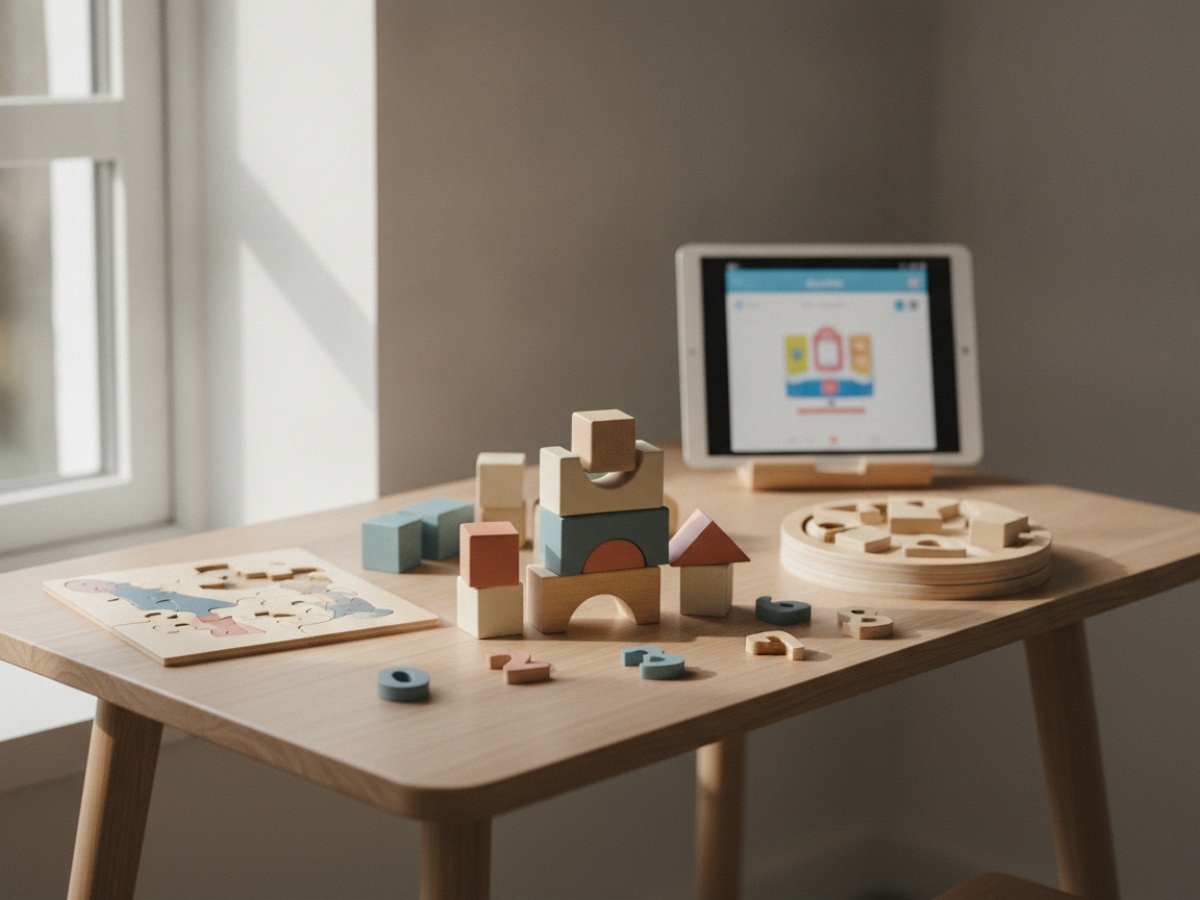
Digital tools can deliver information quickly and create interactive learning environments. However, physical toys provide opportunities for tactile exploration, creativity, and real-world problem-solving.
Market observations show that parents and educators continue to seek products that encourage active participation. The ongoing demand for wooden learning products demonstrates that many consumers still value toys that support meaningful play rather than short-term entertainment.
For toy brands, this trend highlights the importance of developing products that combine educational functions with engaging designs.
Popular Wooden Educational Toy Categories for Preschool Learning
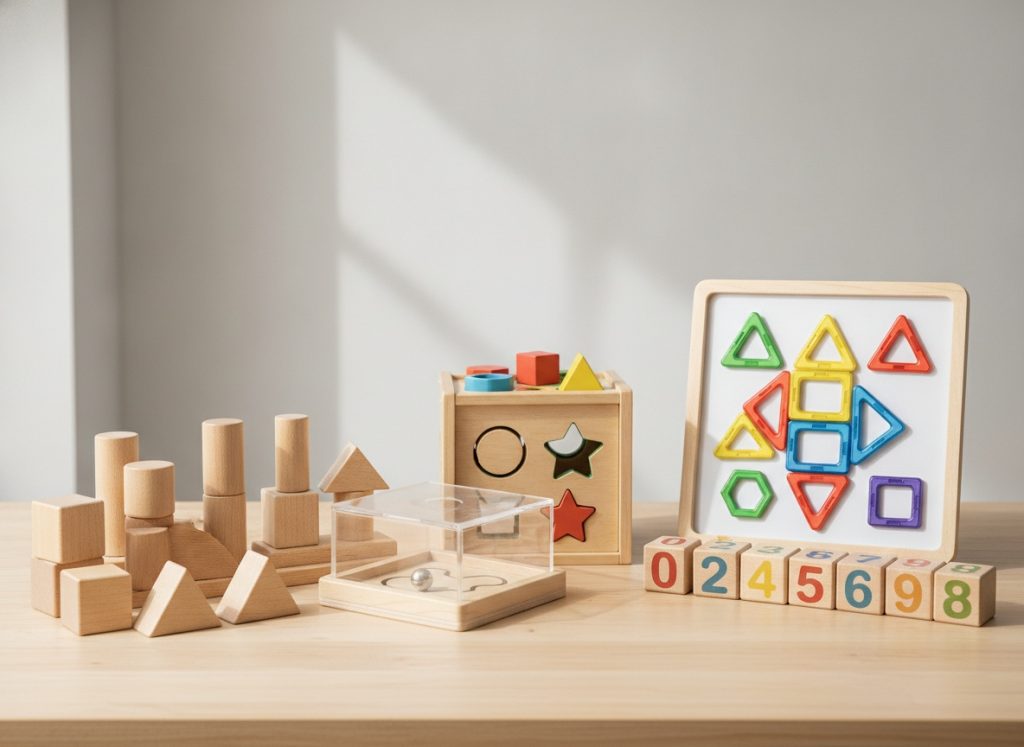
The growth of the educational toy market has encouraged brands to expand their collections with products that support different learning goals. Among these categories, wooden learning products remain popular because they combine simple designs with clear educational purposes.
Wooden puzzles and maze toys continue to attract attention because they encourage logical thinking, concentration, and problem-solving. Children need to observe, plan, and make decisions while completing challenges.
Sorting and matching toys are also widely used in preschool learning environments. These products help children explore colors, shapes, sizes, and classification concepts through hands-on activities.
For early mathematics education, wooden number learning toys provide a practical way to introduce counting and number recognition. Products such as wooden number blocks can combine multiple play functions, allowing children to practice numbers while also developing creativity through stacking and construction.
Magnetic learning products are another growing category. Magnetic pattern blocks, for example, allow children to explore shapes, patterns, and visual relationships while creating different designs.
At Vindstier, we develop wooden educational products designed around these learning concepts, including wooden number learning toys, sorting activities, magnetic pattern learning products, and creative maze games for preschool education.
Why Toy Brands Are Expanding Their Wooden Toy Collections
For toy companies, distributors, and wholesale buyers, the demand for educational products creates new opportunities to build stronger product portfolios.
Many brands are expanding their wooden toy collections because customers increasingly prefer products that offer educational value and longer play potential. Compared with single-purpose entertainment products, well-designed learning toys can provide broader market appeal.
Working with an experienced wooden educational toys manufacturer allows brands to develop products that match specific market needs. A capable manufacturing partner can support product design, customization, packaging development, and production management.
Custom solutions are especially valuable for companies looking to create unique product lines. Through custom wooden educational toys, brands can develop products with customized themes, designs, colors, and packaging.
For example, educational toy suppliers can help companies transform ideas into finished products such as STEM learning toys, Montessori-inspired activities, wooden puzzles, and preschool learning sets.
What Makes a Reliable Educational Toy Supplier?
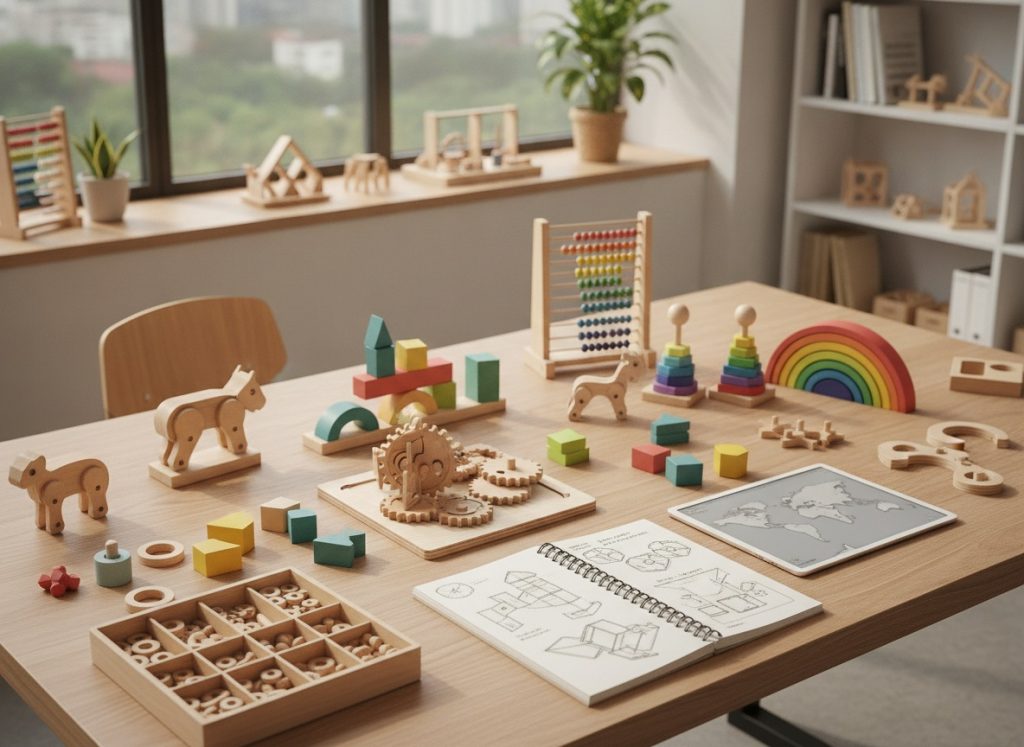
Choosing the right educational toy supplier is an important step for businesses entering or expanding in the global toy market.
A reliable partner should provide more than production capacity. Product development experience, customization support, and quality management are equally important factors.
When evaluating a supplier, brands typically consider whether the manufacturer can support:
- Product design and development
- OEM and private-label projects
- Consistent production processes
- International market requirements
- Customized packaging and product solutions
For global buyers, these capabilities help reduce sourcing challenges and create stable product collections.
Manufacturers with experience in educational toy development can also provide valuable market insights, helping brands create products that better match customer expectations.
How Wooden Educational Toys Continue to Evolve
As families and educators continue to seek meaningful play experiences, wooden educational toys are expected to remain an important category in the global toy industry.
Modern wooden toys are no longer limited to traditional designs. Many new products combine classic materials with STEM concepts, mathematics learning, creativity, and problem-solving activities.
Multifunctional designs are becoming increasingly popular because they allow one product to support different types of play. A single toy may introduce counting skills, construction concepts, logical thinking, and creative exploration.
For toy brands, this evolution creates opportunities to develop products that are both commercially attractive and educationally meaningful.
Conclusion
Wooden Educational Toys continue to remain popular in the digital age because they provide children with opportunities for hands-on exploration, creativity, and independent learning.
Research and market trends indicate that families, educators, and businesses continue to value toys that support real interaction and skill development. At the same time, toy brands and retailers are exploring wooden learning products as a way to create differentiated collections with strong market potential.
For companies looking for a reliable manufacturing partner, working with an experienced wooden educational toys manufacturer can help transform product concepts into customized solutions for today’s market.
Whether you are developing a Montessori toy collection, expanding a preschool learning product line, or searching for OEM educational toy solutions, Vindstier provides support from product development to manufacturing, helping brands create engaging learning products for children worldwide.