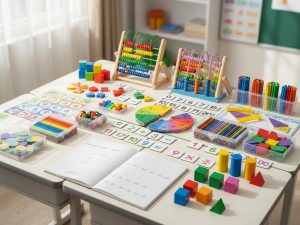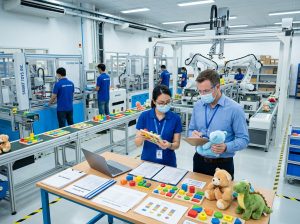
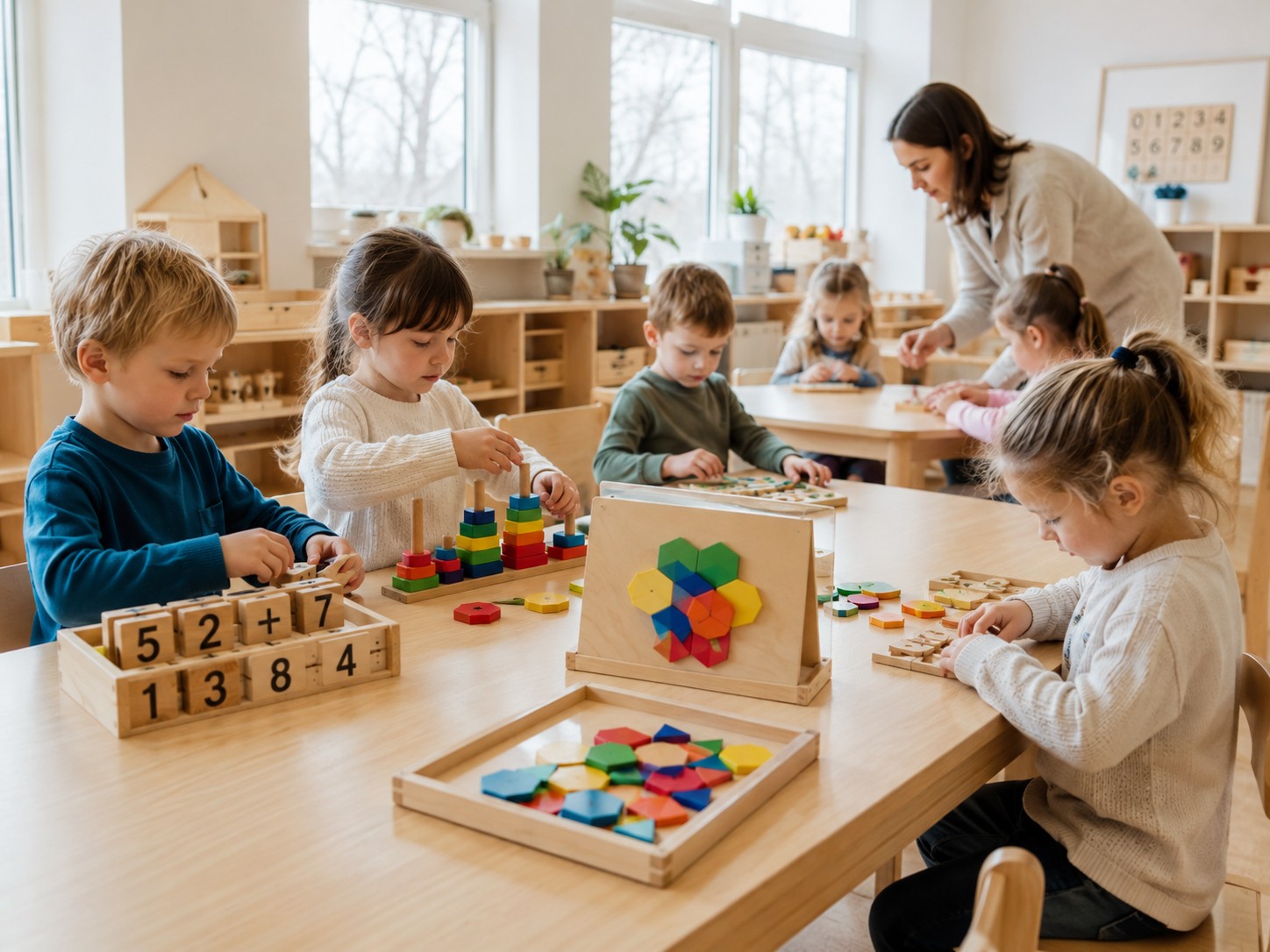
Teachers recommend educational toys that are safe, durable, and capable of supporting meaningful learning experiences rather than short-term entertainment. This guide explores the wooden educational toys most commonly used in preschool classrooms, the features educators value, and the manufacturing standards B2B buyers should consider when sourcing products for North American and European markets. Whether you are a brand owner, wholesaler, retailer, or OEM/ODM procurement manager, understanding teachers’ preferences can help you develop products that succeed in both educational and commercial markets.
The growing emphasis on early childhood education has transformed how schools and families evaluate learning toys. Instead of choosing products based solely on appearance or price, educators increasingly focus on whether a toy encourages independent thinking, problem-solving, fine motor development, and long-term classroom engagement.
This shift has also influenced purchasing decisions across the global toy industry. Retailers, educational distributors, and private-label brands are paying closer attention to the products teachers actually use in classrooms because those recommendations often reflect years of practical experience rather than marketing trends.
For B2B buyers, understanding what educators recommend is more than a product selection exercise—it provides valuable insight into future market demand. Products that perform well in educational settings are more likely to earn parents’ trust, generate repeat purchases, and strengthen brand reputation.
In this article, we’ll explore which wooden educational toys teachers recommend most, why these products remain popular in modern classrooms, and how buyers can identify reliable manufacturing partners that produce high-quality wooden educational toys for international markets.
Why Do Teachers Prefer Wooden Educational Toys?

Teachers evaluate educational toys differently from consumers. While parents may initially be attracted by colorful packaging or interactive features, educators assess whether a toy can continue supporting children’s development after weeks or even months of classroom use.
Industry research consistently shows growing demand for educational toys that encourage hands-on exploration, open-ended learning, and early STEM development. As preschool education places greater emphasis on active participation instead of passive observation, durable wooden learning materials continue to play an important role in classroom environments.
Unlike many electronic toys that offer predetermined responses, wooden educational toys encourage children to experiment, make mistakes, and discover solutions independently. This type of learning aligns well with inquiry-based teaching methods adopted by many early education programs.
Another reason teachers frequently recommend wooden products is their durability. Toys used in classrooms may be handled hundreds of times every week by children aged 3–6 years. Products manufactured from beechwood or basswood generally maintain their structural integrity better than many lightweight plastic alternatives, helping schools reduce replacement costs over time.
“The most valuable classroom toys are those that encourage children to think, explore, and solve problems independently rather than simply press buttons for predetermined outcomes.”
Teachers also appreciate products that support multiple learning objectives within a single activity. A simple set of wooden number blocks, for example, can be used to teach counting, number recognition, balance, color identification, and cooperative play during different classroom sessions.
From a purchasing perspective, this versatility increases educational value without requiring schools to purchase numerous single-purpose products.
For manufacturers and brand owners, designing multifunctional educational toys often creates stronger long-term market competitiveness than simply introducing new toy concepts each season.
What Types of Wooden Educational Toys Do Teachers Recommend Most?
Although educational curricula differ across countries, classroom purchasing trends reveal remarkable consistency in the types of learning materials teachers choose. Rather than following short-term toy trends, educators generally prefer products that remain useful throughout the academic year and support multiple stages of child development.
The following categories are among the most frequently recommended in preschool and kindergarten classrooms.
| Wooden Educational Toy | Primary Learning Goal | Recommended Age | Typical Classroom Use | Teacher Preference |
|---|---|---|---|---|
| Wooden Number Blocks | Counting & early mathematics | 3–6 years | Daily | ★★★★★ |
| Magnetic Pattern Blocks | Spatial reasoning & creativity | 3–6 years | Daily | ★★★★★ |
| Magnetic Maze Games | Fine motor control & concentration | 3–5 years | Daily | ★★★★★ |
| Magnetic Fraction Teaching Aids | Visual fraction learning | 5–8 years | Daily | ★★★★★ |
| Alphabet Parking Games | Letter recognition & matching | 3–6 years | Daily | ★★★★★ |
Instead of purchasing toys designed for only one activity, schools increasingly favor products that support several educational objectives. This approach improves classroom efficiency while maximizing the educational value of every purchase.
For B2B buyers, these purchasing preferences provide useful guidance when planning product portfolios. Educational toys that combine mathematics, logical thinking, language development, and fine motor training generally have broader market appeal than products designed around a single learning outcome.
What Do Preschool Teachers Value Most During Daily Classroom Activities?
Experienced preschool teachers often evaluate toys differently than first-time buyers. Their recommendations are based on practical classroom experience, where products must withstand repeated daily use while keeping children engaged across different learning activities.
Teachers generally look for learning materials that encourage independent exploration without requiring constant adult instruction. Open-ended toys allow children to approach the same activity in different ways, supporting creativity and problem-solving while reducing reliance on fixed answers.
Another important consideration is classroom management. Toys with clearly organized components, durable construction, and smooth surfaces are easier to clean, store, and reuse throughout the school year. Products that can be incorporated into both individual learning and small-group activities are often preferred because they offer greater flexibility during lesson planning.
Educators also recognize that children’s developmental abilities vary significantly, even within the same age group. Toys that can gradually increase in difficulty help teachers adapt learning activities without introducing entirely new materials, making classroom instruction more efficient.
For manufacturers, this means educational value extends beyond the toy itself—it includes durability, usability, adaptability, and long-term classroom performance.
As educational institutions continue investing in high-quality learning resources, products that successfully combine these characteristics are increasingly becoming the preferred choice for schools, retailers, and international educational toy brands alike.
How Do Wooden Educational Toys Meet International Safety Standards?

For brands and distributors serving North American and European markets, educational value alone is not enough. Before a product reaches retailers or classrooms, it must comply with internationally recognized safety regulations that protect children during everyday use.
Reliable manufacturers integrate safety into every stage of production—from material selection and machining to surface finishing and final inspection. This approach not only helps products meet regulatory requirements but also reduces quality risks during mass production.
For most export projects, buyers expect products to comply with:
| Standard | Market | Purpose |
|---|---|---|
| EN71 Part 1–3 | European Union | Mechanical, physical, flammability, and chemical safety requirements for toys |
| ASTM F963 | United States | Comprehensive toy safety standard covering design, construction, labeling, and performance |
| CE Certification | European Economic Area | Demonstrates conformity with applicable EU toy safety legislation |
Meeting these standards requires far more than submitting finished products for testing. Consistency throughout the manufacturing process is equally important. A qualified supplier should maintain stable production procedures, documented quality control records, and repeatable manufacturing accuracy across every production batch.
Why Material Selection Matters in Classroom Environments
Material quality directly affects both product performance and classroom longevity.
Many professional educational toy manufacturers use beechwood for products that require higher strength and impact resistance, such as building blocks, balancing toys, and stacking games. Basswood, on the other hand, offers excellent machining precision, making it suitable for puzzles, sorting boards, and magnetic learning toys with detailed components.
Surface finishing is equally important. Educational toys intended for children aged 3–6 years are commonly coated with non-toxic water-based paint, providing a smooth, durable finish while meeting children’s product safety requirements. Rounded corners and carefully polished edges help minimize the risk of scratches during everyday classroom use.
Beyond materials, manufacturing precision also influences product quality. CNC machining, multiple sanding processes, dimensional inspections, and manual quality checks all contribute to products that fit together accurately and maintain consistent performance over time.
Compliance is not achieved through testing alone—it begins with consistent manufacturing processes, appropriate materials, and disciplined quality management.
For B2B buyers, selecting a supplier with standardized production procedures is often more valuable than choosing the lowest quotation. Consistency reduces warranty claims, improves customer satisfaction, and strengthens long-term brand reputation.
How to Choose a Wooden Educational Toy Manufacturer
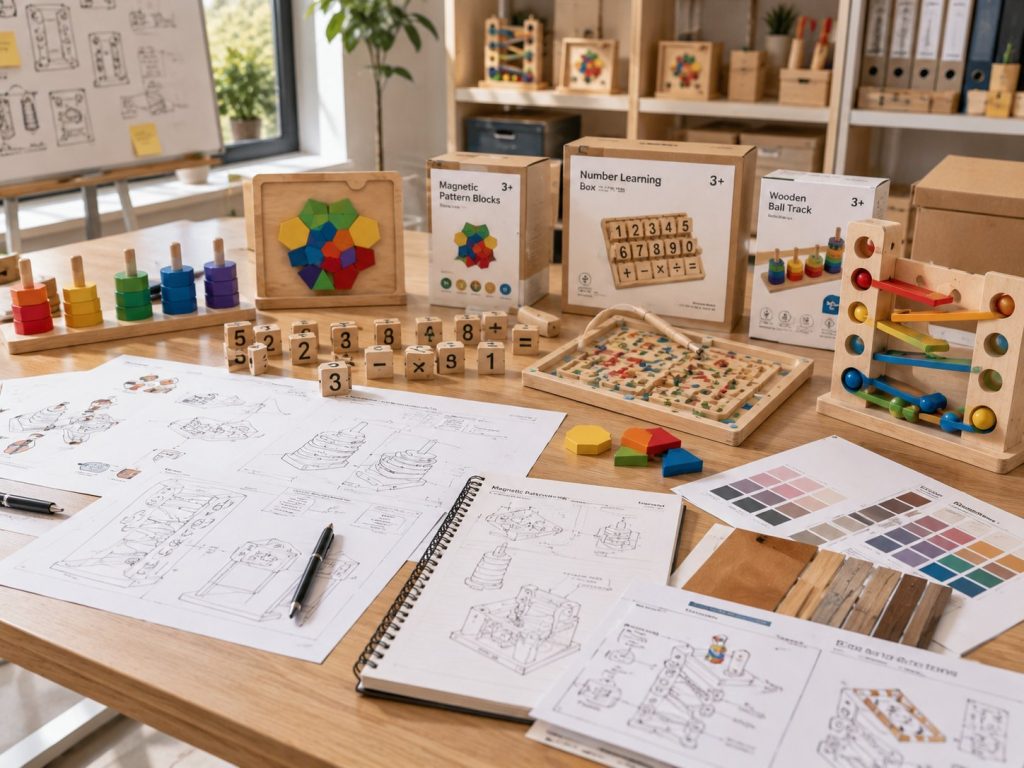
Selecting the right manufacturer is one of the most important decisions when sourcing wooden educational toys for international markets. While pricing naturally influences purchasing decisions, experienced buyers understand that long-term success depends on a supplier’s ability to deliver consistent quality, reliable communication, and flexible product development.
A qualified OEM or ODM manufacturer should demonstrate experience not only in producing wooden toys but also in supporting customers throughout the entire product development process. This includes prototype optimization, engineering improvements, packaging customization, branding support, and export documentation.
Another important consideration is manufacturing capability. Suppliers with integrated production processes—from woodworking and painting to assembly and quality inspection—typically maintain better consistency than factories relying heavily on outsourced operations.
Communication also plays a significant role in international sourcing. Manufacturers that respond quickly to design revisions, provide clear technical documentation, and proactively address production challenges often help buyers shorten development cycles and reduce project risks.
Rather than evaluating suppliers solely on unit price, professional procurement teams usually compare their ability to deliver long-term value, stable quality, and dependable cooperation.
What Should Buyers Ask Before Placing an OEM Order?
Before committing to mass production, experienced buyers typically clarify several key questions with potential suppliers.
Instead of focusing only on quotations, discussions often cover production capability, compliance documentation, and customization options. Important questions include:
- Can you provide valid EN71 Part 1–3, ASTM F963, and CE compliance documentation?
- What is your standard lead time for sampling and mass production?
- Do you support OEM and ODM development, including custom packaging and logo engraving?
- What is the minimum order quantity for customized projects?
- Can third-party factory inspections or pre-shipment inspections be arranged?
- How do you control product consistency across large production batches?
These discussions help buyers evaluate not only manufacturing capacity but also the supplier’s experience in international business operations.
Experienced manufacturers typically assist customers throughout product development by refining structural designs, improving production efficiency, optimizing packaging, preparing export documentation, and supporting long-term product upgrades. These value-added services often contribute more to project success than small differences in unit pricing.
A reliable manufacturing partner supports your brand’s growth by delivering consistent quality, technical expertise, and dependable cooperation—not simply by producing toys.
Frequently Asked Questions
What makes teachers recommend wooden educational toys?
Teachers generally prefer toys that encourage open-ended learning, develop fine motor skills, and remain durable after repeated classroom use. Multifunctional products that support mathematics, language, logical thinking, and cooperative play are particularly valued because they can be incorporated into a wide range of learning activities.
Are wooden educational toys safer than plastic toys?
Safety depends on manufacturing quality rather than material alone. Properly manufactured wooden educational toys made from beechwood or basswood, finished with non-toxic water-based paint, and produced in accordance with EN71 Part 1–3, ASTM F963, and CE requirements are widely accepted for educational environments.
Which certifications should educational toys have for export?
For North American and European markets, buyers commonly require compliance with EN71 Part 1–3, ASTM F963, and CE regulations. Depending on the destination market and product category, additional documentation may also be requested by importers or retailers.
Can wooden educational toys be customized?
Yes. Many OEM and ODM manufacturers provide customized solutions, including product design modifications, logo engraving, private-label packaging, instruction manual design, color adjustments, and retail packaging development. Customization allows brands to differentiate their product lines while maintaining compliance with international safety standards.
Conclusion
Teachers consistently recommend educational toys that combine meaningful learning experiences with reliable durability and proven safety. Their classroom experience offers valuable guidance not only for parents but also for brands, wholesalers, and procurement professionals seeking products with long-term market potential.
When sourcing wooden educational toys, buyers should evaluate far more than manufacturing costs. Material selection, production consistency, compliance with EN71 Part 1–3, ASTM F963, and CE requirements, as well as a supplier’s OEM and ODM capabilities, all contribute to product quality and commercial success.
As demand for educational toys continues to grow across North America and Europe, manufacturers that prioritize precise craftsmanship, dependable quality control, and customer-focused product development are better positioned to support sustainable business partnerships.
Whether you are launching a new wooden educational toys collection or expanding an existing product line, working with an experienced OEM/ODM manufacturer can simplify product development, improve production consistency, and help bring high-quality wooden educational toys to market more efficiently.