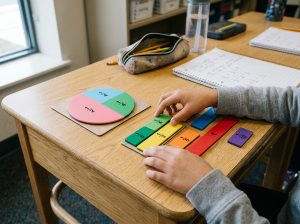

For brands, importers, and distributors operating in the children’s products industry, selecting the right manufacturing partner involves much more than comparing prices or reviewing product catalogs. Regulatory requirements have become increasingly stringent, and buyers are paying closer attention to quality systems, traceability, and compliance documentation before making sourcing decisions.
Industry reports indicate that product recalls and customs delays are often linked to incomplete testing records or non-compliant materials. As a result, certifications have become an important benchmark when evaluating a supplier’s capabilities and long-term reliability.
Whether a company is looking for a custom educational toy manufacturer, an OEM educational toy manufacturer, or a wooden educational toy manufacturer in China, understanding the certifications behind the products can help reduce risks and support sustainable growth. More importantly, these certifications provide measurable evidence of manufacturing standards rather than relying solely on marketing claims.
Why Certifications Matter for an Educational Toy Manufacturer
Educational toys are expected to encourage learning and creativity, but they must also meet safety requirements established by different markets. Regulatory authorities in the United States, Europe, and other regions continuously update their standards to address potential hazards associated with children’s products.
For this reason, an experienced Educational Toy Manufacturer typically integrates quality control procedures throughout the entire production process, from raw material sourcing to final inspection. This systematic approach helps ensure that products remain consistent across different production batches and comply with the requirements of destination markets.
Industry observations show that manufacturers operating under documented management systems often demonstrate stronger production stability and lower quality-related risks.
Besides reducing the likelihood of product recalls, certifications also provide confidence for importers and retailers. Many international buyers regard compliance documentation as a reflection of a factory’s management capabilities rather than simply viewing it as a regulatory requirement.
How Certifications Influence International Trade
In international trade, certifications play a practical role beyond product safety. Customs authorities, retailers, and e-commerce platforms frequently require supporting documents before allowing products to enter the market.
For example, educational toys sold in the United States are generally expected to comply with ASTM F963 and CPSIA requirements, while products distributed within the European Union need to satisfy EN71 regulations and CE marking requirements.
Without proper documentation, even well-designed products may encounter delays during customs clearance or face restrictions in certain markets.
Why Buyers Pay Attention to Compliance Documents
Experienced buyers rarely evaluate suppliers based on quotations alone. Instead, they often review testing reports, audit records, and quality certifications before making purchasing decisions.
From a sourcing perspective, certifications provide several advantages:
- Greater product consistency.
- Improved traceability.
- Lower compliance risks.
- Better supply chain transparency.
These factors become increasingly important for companies developing Montessori learning products, STEM educational toys, and private-label collections intended for global markets.
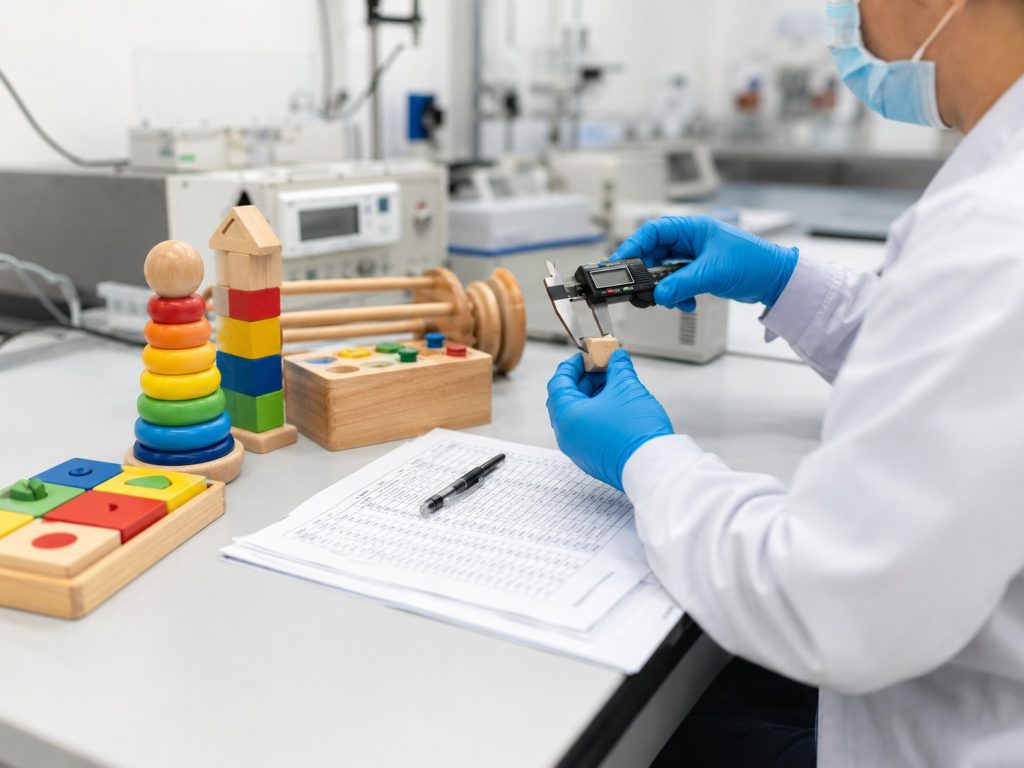
Essential Product Safety Certifications for an Educational Toy Manufacturer
Different markets apply different regulatory frameworks. Therefore, a professional Educational Toy Manufacturer serving multiple countries usually maintains several certifications rather than relying on a single standard.
| Target Market | Major Standard | Main Focus |
| United States | ASTM F963 | Mechanical safety, chemical substances, flammability |
| European Union | EN71 + CE Marking | Physical properties and heavy element migration |
| International Markets | ISO 8124 | Global toy safety requirements |
| Canada | CCPSA Compliance | Toxicity and labeling requirements |
| Australia | AS/NZS ISO 8124 | Product safety performance |
Although the requirements vary by region, these standards share the same objective: minimizing potential risks associated with children’s products.
Why ASTM F963 Testing Matters
ASTM F963 is one of the most important standards for toys entering the U.S. market. It addresses physical hazards, flammability performance, labeling requirements, and chemical restrictions.
According to CPSIA regulations, surface coatings used in children’s products are generally limited to 90 ppm lead, while total lead content should not exceed 100 ppm. These numerical requirements are verified through laboratory testing and provide objective evidence of compliance.
For an OEM educational toy manufacturer supplying North American customers, ASTM F963 testing has become a routine part of quality assurance.
Industry experience suggests that maintaining updated testing reports helps manufacturers respond more efficiently to retailer requirements and customs inspections.
What EN71 Covers Beyond Heavy Metals
EN71 serves as the primary toy safety framework within the European Union. While many buyers associate EN71 with heavy metal restrictions, its scope extends much further.
The standard evaluates:
- Mechanical and physical properties.
- Flammability characteristics.
- Migration limits for nineteen elements.
- Specific requirements for certain toy categories.
Among these elements are lead, cadmium, chromium, and mercury. According to European market surveillance reports, chemical non-compliance remains one of the most common reasons for toy recalls.
Consequently, a custom educational toy manufacturer exporting to Europe usually conducts third-party testing before shipment to ensure products satisfy the latest requirements.
When ISO 8124 Becomes Important
Unlike regional standards, ISO 8124 provides an international framework for toy safety. Many manufacturers supplying multiple countries use this standard as a reference when developing products.
For companies producing STEM educational toys or Montessori learning materials for various markets, ISO 8124 helps simplify product development and improve consistency across different regulatory systems.
Although local requirements still apply, ISO 8124 often serves as a valuable foundation for quality management and product design.
Common Product Safety Standards
| Certification | Main Purpose | Typical Application |
| ASTM F963 | U.S. market compliance | North America |
| EN71 | European safety requirements | EU countries |
| ISO 8124 | International framework | Multiple markets |
| CE Marking | European market access | EU countries |
| CPSIA | Children’s product regulations | United States |
Why Quality Management Systems Strengthen an Educational Toy Manufacturer
Product certifications verify compliance, but they do not fully reflect manufacturing capabilities. Increasingly, buyers are paying attention to the systems operating behind the products.
For this reason, many established manufacturers invest in internationally recognized management standards. These systems provide a structured approach to quality control and continuous improvement, helping factories maintain consistency over the long term.
ISO 9001 Supports Consistent Production
ISO 9001 is widely recognized as one of the most important quality management systems in manufacturing.
Instead of focusing exclusively on finished products, the standard emphasizes process control throughout procurement, production, inspection, and corrective actions. This approach allows manufacturers to identify potential issues earlier and improve efficiency over time.
For buyers seeking a reliable educational toy manufacturer in China, ISO 9001 often serves as an indication that the factory operates according to documented procedures rather than relying solely on experience.
Research from supply chain organizations suggests that companies with mature quality management systems generally achieve lower defect rates and stronger customer retention.
ISO 14001 Reflects Environmental Responsibility
Environmental management has become another area receiving increasing attention from brands and retailers.
ISO 14001 encourages manufacturers to reduce environmental impact through systematic management practices. In the educational toy industry, some wooden educational toy manufacturers establish wastewater recycling procedures and VOC emission control measures to support sustainability goals.
These initiatives are particularly relevant for brands serving environmentally conscious markets in Europe and North America.
Rather than treating environmental responsibility as a marketing concept, many companies now view it as an important component of long-term competitiveness.
Common Management Certifications
| Certification | Purpose | Benefits for Buyers |
| ISO 9001 | Quality management | Production consistency |
| ISO 14001 | Environmental management | Sustainability support |
| BSCI | Social responsibility | Ethical sourcing |
| Sedex SMETA | Supply chain transparency | Factory credibility |
| FSC | Responsible forestry | Material traceability |
Social Responsibility Standards Reflect Long-Term Stability
Over the past decade, supplier evaluations have gradually expanded beyond product quality and pricing. More retailers, educational institutions, and international brands now examine how products are manufactured and whether factories operate under responsible management practices.
For an Educational Toy Manufacturer, social responsibility standards are often viewed as indicators of operational stability rather than simple compliance requirements. A factory that maintains transparent procedures and undergoes regular audits is generally better prepared to support long-term cooperation.
Why BSCI and Sedex Audits Matter
BSCI and Sedex SMETA are among the most widely recognized social compliance systems in global manufacturing. These audits evaluate multiple aspects of factory operations, including workplace safety, employee welfare, fire protection measures, and management procedures.
Instead of relying on self-declarations, international buyers often prefer independent audit reports when assessing potential suppliers.
Factories that consistently pass social responsibility audits usually demonstrate stronger organizational capabilities and more predictable production performance. This is particularly important for brands developing custom educational toys under private-label programs.
The Role of the ICTI Ethical Toy Program
The ICTI Ethical Toy Program was established specifically for the toy industry and has been adopted by many internationally recognized brands.
Compared with general social audits, ICTI focuses on issues closely related to toy manufacturing, including labor management, workplace conditions, and continuous improvement systems.
For an OEM educational toy manufacturer serving North America and Europe, participation in industry-specific programs can provide additional confidence to customers seeking long-term manufacturing partners.
Common Social Responsibility Certifications
| Standard | Primary Focus | Typical Benefit |
| BSCI | Social compliance | Ethical sourcing |
| Sedex SMETA | Supply chain transparency | Factory credibility |
| ICTI Ethical Toy Program | Toy industry practices | Brand confidence |
| SA8000 | Labor management | International recognition |
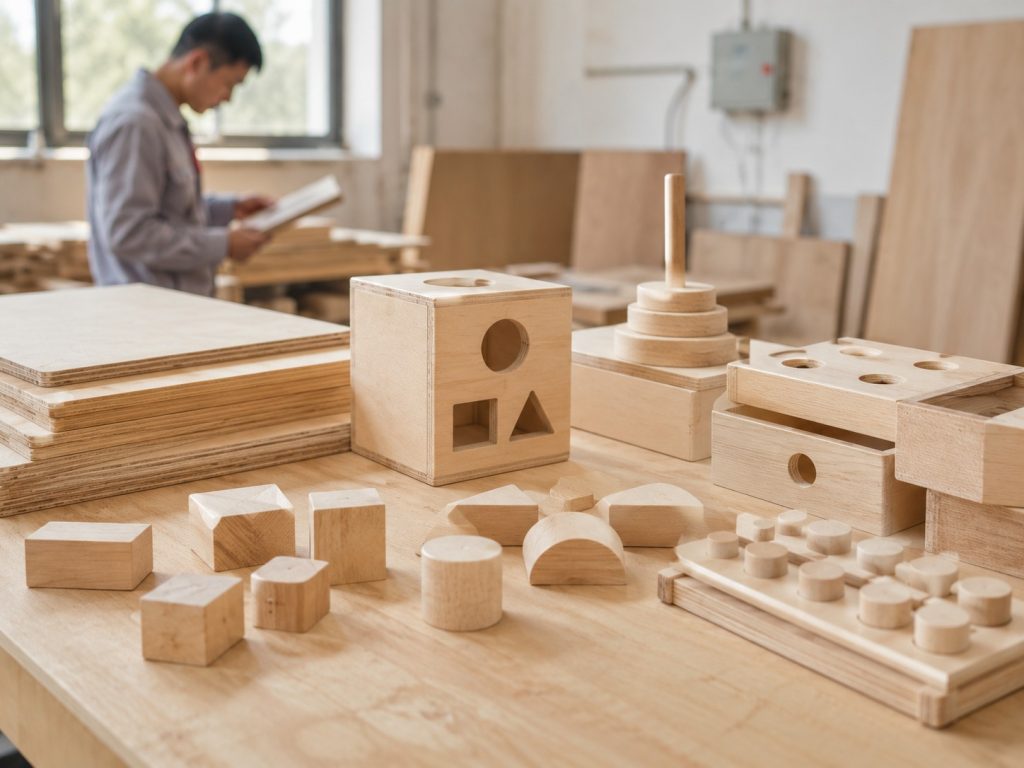
Material Traceability and Sustainability Certifications
Sustainability has become an increasingly important consideration within the educational toy industry. Buyers are no longer focused solely on finished products; they also pay attention to the origin of raw materials and the environmental impact associated with manufacturing.
For a wooden educational toy manufacturer, traceability has become an essential part of supply chain management.
Why FSC Certification Matters
Wood remains one of the most popular materials used in Montessori toys, educational puzzles, sensory boards, and STEM learning products. As environmental awareness grows, many buyers expect suppliers to provide evidence regarding the origin of timber materials.
FSC certification allows manufacturers to establish chain-of-custody records and verify that wood resources originate from responsibly managed forests.
For example, birch plywood used in wooden educational products may come from suppliers operating under FSC requirements, allowing downstream customers to trace materials throughout the production process.
This level of transparency is particularly valuable for brands emphasizing sustainability and environmental responsibility.
REACH and RoHS Compliance Provide Measurable Standards
Compared with broad marketing statements, numerical testing results provide more objective evidence.
REACH and RoHS regulations establish restrictions on hazardous substances used in products. Laboratory reports typically specify measurable values rather than generalized descriptions.
Some commonly referenced requirements include:
| Substance | Typical Requirement |
| Lead (Pb) | ≤90 ppm |
| Cadmium (Cd) | ≤75 ppm |
| DEHP Phthalates | ≤0.1% |
| Chromium VI | Restricted |
According to regulatory requirements, surface coatings used in children’s products are generally limited to 90 ppm lead, while total lead content should not exceed 100 ppm.
For a custom educational toy manufacturer supplying international markets, maintaining updated chemical testing reports helps improve customer confidence and reduce regulatory risks.
Sustainability Is Becoming a Competitive Advantage
Environmental initiatives are no longer viewed solely as corporate responsibility programs. Increasingly, they are becoming part of supplier evaluation criteria.
Some wooden educational toy manufacturers implement wastewater recycling systems, optimize material utilization, and establish VOC emission management procedures. These measures help support sustainability goals while improving operational efficiency.
From a long-term perspective, environmental management is gradually becoming a competitive advantage rather than simply a compliance requirement.
Additional Certifications That Enhance Market Competitiveness
While mandatory standards are essential, additional certifications often provide manufacturers with greater flexibility when serving global customers.
For an Educational Toy Manufacturer, diversified certification capabilities can help meet different retailer requirements and expand access to international markets.
Several certifications frequently requested by major buyers include:
- CPC (Children’s Product Certificate)
- GCC (General Certificate of Conformity)
- GSV (Global Security Verification)
- Disney FAMA authorization
- Walmart factory audits
- Target factory audits
Although these requirements vary depending on customer expectations, manufacturers capable of satisfying multiple compliance standards are often better positioned to support complex projects.

How Buyers Can Verify an Educational Toy Manufacturer’s Certifications
Possessing certificates is one thing; maintaining valid and up-to-date documentation is another. Experienced buyers rarely rely on certificates alone when evaluating a supplier.
Instead, they usually review supporting evidence from recognized third-party organizations.
Check Reports Issued by Independent Laboratories
Testing organizations such as SGS, TÜV, Intertek, and Bureau Veritas are widely recognized throughout the industry.
Updated reports issued by these laboratories provide objective evidence regarding chemical safety, physical performance, and regulatory compliance.
Many importers request copies of recent reports before confirming production orders.
Verify Validity Periods and Renewal Dates
Certifications are not permanent documents. Most standards require periodic reviews and renewals.
Therefore, buyers often compare issue dates, expiration dates, and production schedules to ensure documents remain valid.
Outdated reports may no longer reflect current manufacturing conditions.
Factory Audits Provide Additional Assurance
For large projects or long-term partnerships, on-site factory audits remain a common practice.
Audits allow buyers to evaluate production capacity, quality control systems, and management procedures directly.
Rather than relying solely on paperwork, factory visits provide a clearer understanding of operational capabilities.
Factors Buyers Evaluate Beyond Certifications
| Evaluation Area | Typical Focus |
| Product Development | Innovation capability |
| Testing Equipment | Quality control capacity |
| Production Capacity | Delivery consistency |
| Export Experience | Market familiarity |
| Certification Systems | Regulatory compliance |
Although certifications are important, they represent only one aspect of supplier assessment. Engineering capabilities, communication efficiency, and production experience often play equally significant roles in determining long-term cooperation success.
Choosing the Right Educational Toy Manufacturer
Certifications provide valuable information, but they represent only one dimension of supplier evaluation. In practice, experienced buyers usually examine a combination of technical capabilities, production experience, quality systems, and communication efficiency before establishing long-term partnerships.
For companies developing Montessori products, STEM learning toys, or private-label collections, selecting the right Educational Toy Manufacturer involves balancing compliance requirements with manufacturing expertise.
Product Development Capability Matters
A manufacturer with strong engineering and product development capabilities can often provide more than production services. Early involvement in material selection, structural optimization, and packaging design may help brands shorten development cycles and reduce potential risks during mass production.
This is particularly important for customers seeking a custom educational toy manufacturer or an OEM educational toy manufacturer that supports product customization.
Experience in International Markets Makes a Difference
Different regions have different regulatory frameworks and consumer preferences. Manufacturers familiar with export requirements are generally better equipped to address market-specific challenges.
For example, products sold in Europe may require EN71 testing and CE marking, while North American markets focus heavily on ASTM F963 and CPSIA requirements. Understanding these differences allows manufacturers to respond more efficiently and avoid unnecessary delays.
Transparent Communication Supports Long-Term Cooperation
Successful partnerships are built on more than production capacity. Timely communication, clear documentation, and problem-solving capabilities often determine whether projects proceed smoothly.
Market observations suggest that suppliers capable of maintaining transparent communication tend to establish stronger relationships with international customers.
Conclusion
Certifications alone do not guarantee product quality, but they provide measurable evidence of a manufacturer’s management capabilities and regulatory awareness.
Standards such as ASTM F963, EN71, ISO 9001, ISO 14001, BSCI, Sedex SMETA, FSC, REACH, and RoHS have gradually become important references when evaluating an Educational Toy Manufacturer. Together, these systems help improve product consistency, strengthen supply chain transparency, and support compliance across different markets.
As regulations continue to evolve and customer expectations become more sophisticated, manufacturers that maintain updated testing reports, traceable material systems, and structured management processes are generally better equipped to support international brands and long-term cooperation.
From a sourcing perspective, certifications should be considered alongside engineering capabilities, production experience, and communication efficiency. Looking at these factors together often provides a clearer picture of a supplier’s overall strengths and its ability to support future growth.