
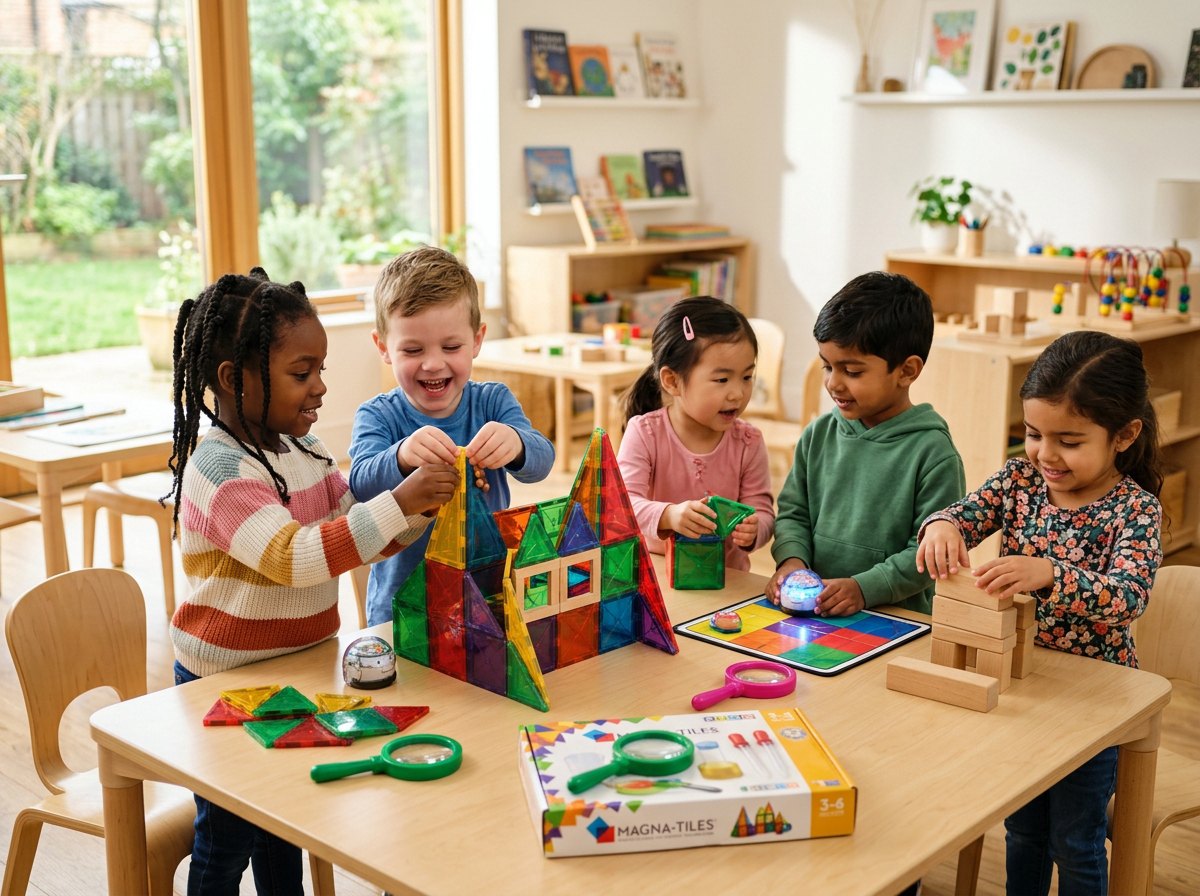
The educational toy industry is evolving rapidly, and STEM Toys have become one of the most influential categories shaping early childhood learning. As parents, educators, and schools place greater emphasis on critical thinking, creativity, and problem-solving, demand for STEM learning toys continues to rise across global markets.
Industry research shows that the educational toy sector is experiencing steady growth, driven by increasing awareness of early childhood development and future workforce skills. At the same time, distributors, retailers, and educational institutions are seeking products that combine learning value with meaningful play experiences.
For preschool children, the best STEM Toys are not necessarily the most advanced. Instead, they are the toys that encourage exploration, experimentation, and discovery in ways that match a child’s developmental stage. Understanding which products deliver these outcomes is becoming increasingly important for parents and educational buyers alike.
Why STEM Toys Matter in Early Childhood Development
The preschool years are often described as a foundational period for cognitive growth. During this stage, children learn primarily through active engagement with the world around them. They observe patterns, test ideas, manipulate objects, and gradually build an understanding of how things work.
STEM Toys support this natural learning process by transforming play into exploration. Whether a child is constructing a tower, experimenting with magnets, or guiding a simple coding robot through a sequence of commands, they are developing skills that extend far beyond the activity itself.
Research suggests that hands-on learning experiences can strengthen problem-solving abilities, spatial reasoning, and independent thinking. These benefits are particularly valuable because many modern educational systems now prioritize inquiry-based learning rather than rote memorization.
Studies consistently show that young children learn more effectively when they actively participate in the learning process rather than passively receive information.
Skills Commonly Developed Through STEM Play
| Skill Area | Development Benefit |
| Critical Thinking | Evaluating challenges and testing solutions |
| Creativity | Generating ideas and exploring possibilities |
| Fine Motor Skills | Improving hand-eye coordination |
| Engineering Awareness | Understanding structures and mechanisms |
| Mathematical Thinking | Recognizing patterns and quantities |
| Communication | Sharing ideas and collaborating with others |
What Makes the Best STEM Toys for Preschoolers in 2026?
Not every product labeled as educational delivers genuine STEM learning value. As the market becomes increasingly competitive, both parents and professional buyers need clearer standards for evaluating products.
The most effective STEM Toys encourage open-ended exploration. Rather than leading children toward a single correct answer, they create opportunities for experimentation and discovery. This approach allows children to learn through trial and error, which research has identified as a key driver of cognitive development.
Another defining characteristic is scalability. A well-designed toy should remain engaging as a child’s abilities grow. Construction systems, engineering kits, and coding activities that offer multiple levels of complexity tend to provide stronger long-term value than products built around a single activity.
In 2026, many educational experts also emphasize the importance of balancing technology with hands-on interaction. As a result, screen-light STEM learning toys are gaining popularity among both schools and families.
Characteristics of High-Quality STEM Toys
| Evaluation Factor | Why It Matters |
| Open-Ended Play | Encourages creativity and exploration |
| Multiple Solutions | Develops flexible thinking |
| Progressive Challenges | Maintains long-term engagement |
| Hands-On Interaction | Strengthens experiential learning |
| Educational Relevance | Supports developmental goals |
Best STEM Toys Categories for Preschoolers
Several categories continue to dominate the STEM market because they consistently provide meaningful educational outcomes while remaining engaging for young learners.
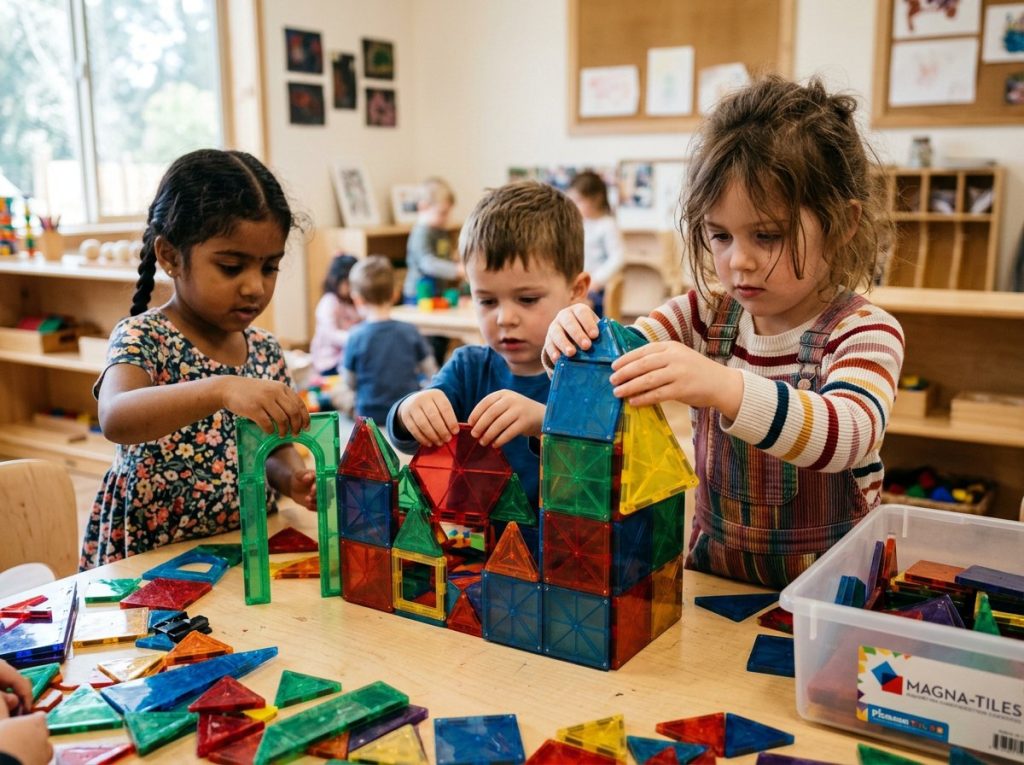
Building and engineering toys remain among the strongest performers. Magnetic tiles, large construction blocks, and gear-based building systems encourage children to experiment with balance, design, and structural stability. Through play, children naturally encounter early engineering concepts without formal instruction.
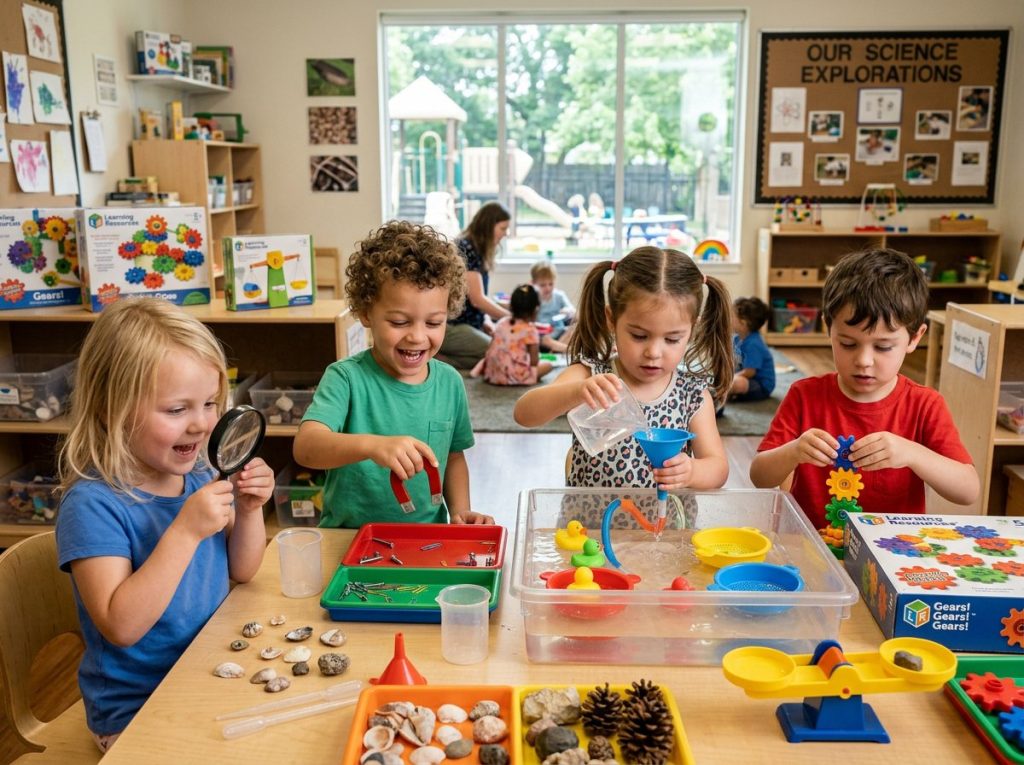
Science exploration kits are another rapidly growing category. Activities involving water movement, magnets, simple machines, and plant observation allow preschoolers to investigate real-world phenomena in an accessible way. These products often perform well in both home and classroom environments because they encourage curiosity-driven learning.
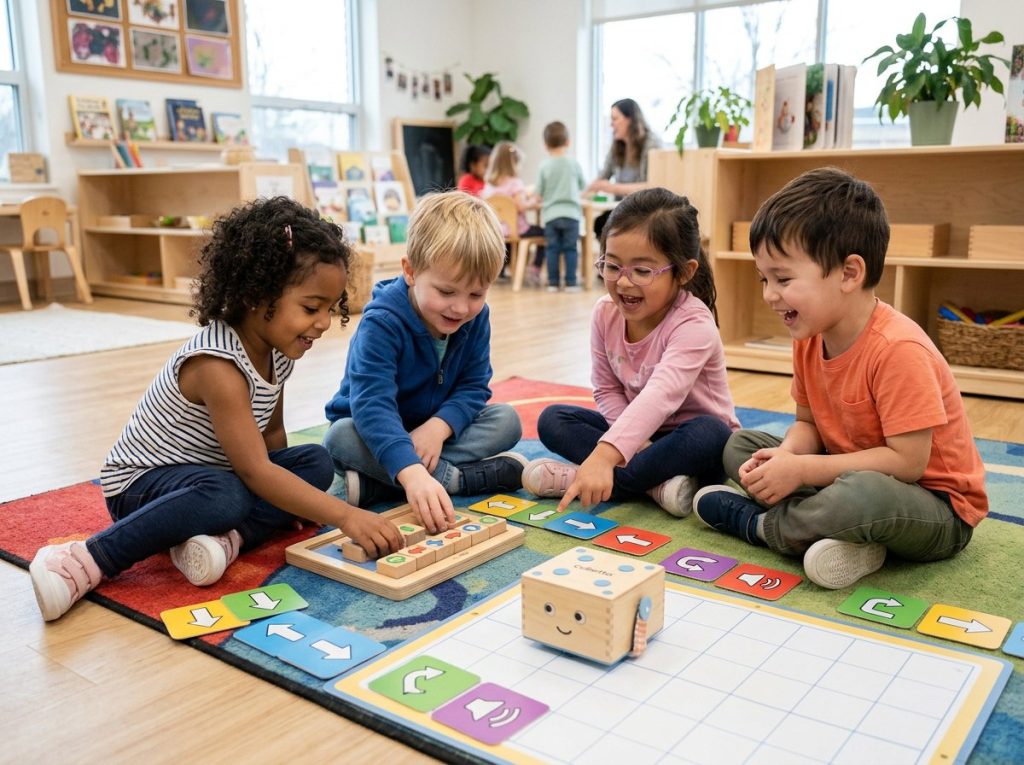
Coding STEM Toys designed for preschoolers are also expanding in popularity. Unlike traditional programming tools, these products typically rely on physical sequencing cards, interactive pathways, or beginner robotics systems that introduce logical thinking through movement and play.
Many Montessori STEM toys have also gained attention in recent years due to their emphasis on self-directed exploration and tactile learning experiences.
How STEM Toys Support School Readiness
Preparing children for school involves much more than learning letters and numbers. Educators increasingly recognize that confidence, persistence, communication, and problem-solving play equally important roles in academic success.
STEM Toys create opportunities to practice these skills naturally. When children encounter challenges during play, they must evaluate situations, adjust their strategies, and continue experimenting until they find a solution. These experiences mirror the type of thinking required in modern classrooms.
A Classroom Example
In one preschool engineering activity, children were asked to build a bridge using magnetic construction pieces. Some focused on creating the tallest structure possible, while others experimented with wider foundations for greater stability.
As bridges collapsed and were rebuilt, children discussed their ideas, tested new approaches, and compared outcomes. Without formal lectures, they were introduced to engineering concepts such as balance, support, and structural design.
This type of exploratory learning illustrates why many educators view STEM Toys as valuable tools for kindergarten readiness.
How Educational Toy Manufacturers Are Responding to STEM Learning Trends
The increasing popularity of STEM education is influencing how manufacturers design and develop products.
Educational buyers are no longer focused solely on entertainment value. Schools, distributors, and retailers are increasingly looking for products that align with learning objectives, classroom activities, and developmental milestones.
As a result, many STEM toy manufacturers are introducing products that combine science, engineering, mathematics, and technology concepts into integrated learning experiences. There is also growing demand for custom STEM toys that support regional curriculum requirements or specific educational themes.
Another notable trend is the expansion of OEM and ODM partnerships. Brands seeking to differentiate themselves in competitive markets are increasingly working with educational toy manufacturers to develop exclusive product lines tailored to their target audiences.
For suppliers, this shift presents opportunities to create products that address both educational outcomes and commercial market demands.
What Buyers Should Consider When Sourcing STEM Toys
Whether purchasing for a retail business, educational institution, or distribution network, selecting the right STEM Toys requires careful evaluation.
While learning value remains a priority, buyers are increasingly assessing factors such as durability, curriculum relevance, packaging flexibility, and long-term engagement potential.
Several considerations often influence purchasing decisions:
- Alignment with preschool developmental stages
- Compatibility with classroom activities
- Product durability for repeated use
- Opportunities for open-ended learning
- Availability of custom branding or OEM services
- Packaging options suitable for retail distribution
For businesses sourcing wholesale STEM toys, evaluating manufacturing capabilities and product consistency is often just as important as assessing educational benefits.
STEM Toys Trends Shaping Early Learning in 2026
Several emerging trends are expected to influence the future direction of STEM learning products.
One major trend is the growing demand for screen-light learning experiences. Parents increasingly seek alternatives that introduce technology concepts through physical interaction rather than prolonged screen exposure.
Another trend involves real-world problem-solving themes. Transportation systems, renewable energy concepts, environmental science activities, and simple engineering challenges are appearing more frequently within preschool STEM products.
The market is also witnessing stronger integration between home learning and classroom learning. Products that can support both environments often provide greater flexibility for educators and families.
As educational expectations continue to evolve, STEM Toys that combine creativity, experimentation, and practical application are likely to remain at the forefront of the industry.
Frequently Asked Questions About STEM Toys
What age are STEM Toys suitable for?
Most preschool STEM Toys are designed for children between three and five years old. The most effective products introduce basic concepts through hands-on exploration rather than formal instruction.
Are STEM Toys useful in preschool classrooms?
Yes. Many STEM learning toys are specifically designed to support collaborative activities, problem-solving exercises, and inquiry-based learning environments commonly found in preschool settings.
What skills do STEM Toys help develop?
STEM Toys can support critical thinking, creativity, communication, fine motor development, spatial reasoning, and early engineering awareness.
How do STEM Toys support kindergarten readiness?
By encouraging persistence, experimentation, and independent problem-solving, STEM Toys help children build skills that are valuable when transitioning into formal education.
Conclusion
As demand for early STEM education continues to grow, parents, educators, distributors, and retailers are placing greater emphasis on products that combine educational value with engaging play experiences.
Research consistently demonstrates that hands-on learning helps young children develop critical thinking, creativity, and problem-solving abilities. The most effective STEM Toys encourage exploration, experimentation, and independent discovery while remaining aligned with age-appropriate developmental goals.
For educational brands, wholesalers, and buyers evaluating opportunities in 2026, selecting STEM Toys that balance learning outcomes, product quality, and long-term engagement will be essential. As the market continues to evolve, thoughtfully designed STEM learning products are likely to remain a key component of modern early childhood education.