Building Blocks continue to be one of the most widely recommended educational toys for preschool children. While digital learning tools are becoming increasingly common, research shows that hands-on construction activities remain highly effective for supporting cognitive development, spatial reasoning, creativity, and fine motor skills.
As educational priorities evolve in 2026, parents, educators, childcare providers, and distributors are paying closer attention to the quality and educational value of preschool building blocks. With numerous options available on the market, understanding what differentiates one product from another can help buyers make more informed decisions.
Why Building Blocks Are Essential for Preschool Learning in 2026
Research in early childhood education consistently highlights the importance of open-ended play. Unlike toys designed around a single activity, Block-based construction toys allow children to create, modify, test, and rebuild structures in countless ways. This process naturally encourages experimentation and problem-solving.
Many educators consider Building Blocks a foundational learning resource because they support multiple developmental areas simultaneously. While constructing towers, bridges, or imaginative creations, children practice hand-eye coordination, spatial awareness, concentration, and communication skills.
Studies have also found that preschool children often remain engaged in construction activities for 25 to 40 minutes per session when using age-appropriate materials. Such sustained engagement helps explain why block play continues to play an important role in preschool classroom activities and early learning environments.
Research suggests that children who regularly participate in construction play often demonstrate stronger spatial reasoning skills, which are closely associated with future STEM learning.
Key Factors to Consider When Choosing Building Blocks
Choosing the right educational building set involves more than comparing piece counts or packaging design. Several practical factors influence both educational value and long-term usability.
For preschool children, block size is particularly important. Larger pieces are easier to grasp and manipulate, allowing children to focus on building rather than struggling with small components. Connection strength is another consideration, as stable structures encourage experimentation and reduce frustration during play.
The following factors are commonly evaluated when selecting educational building blocks:
| Evaluation Factor | Why It Matters |
| Block Size | Easier handling for preschool children |
| Connection Strength | Improves structural stability |
| Material Density | Influences durability and lifespan |
| Edge Design | Enhances handling comfort |
| Cleaning Requirements | Important for schools and daycare centers |
| Expansion Compatibility | Supports long-term educational use |
Durability becomes especially important in kindergartens and daycare centers, where Construction toys may be used by dozens of children each day. Products manufactured with wall thicknesses of approximately 2.5 mm to 3 mm generally maintain their shape and connection performance more effectively during long-term use.
Why Open-Ended Design Matters
Some educational toys encourage children to follow instructions toward a single outcome. Building Blocks work differently. A single set can be transformed into a house one day and a vehicle the next.
This flexibility promotes creativity while encouraging independent thinking, making Building Blocks one of the most versatile educational construction toys available for preschool learners.
Best Types of Building Blocks for Preschoolers in 2026
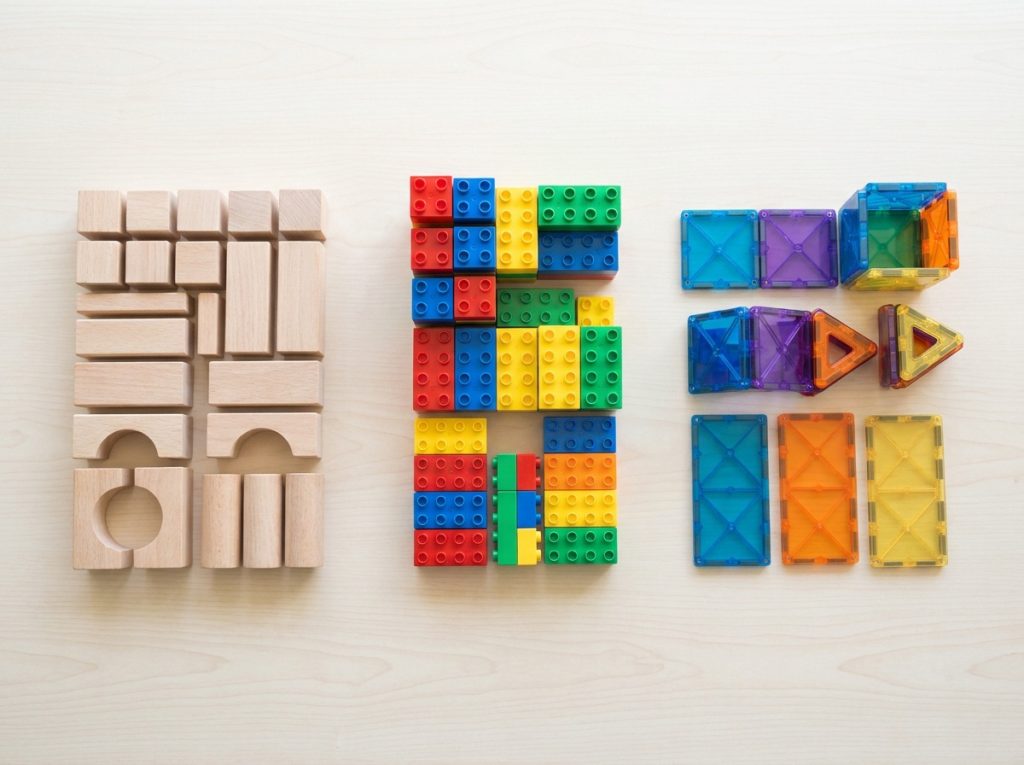
The Building Blocks category has expanded significantly in recent years. Different designs support different styles of learning and play.
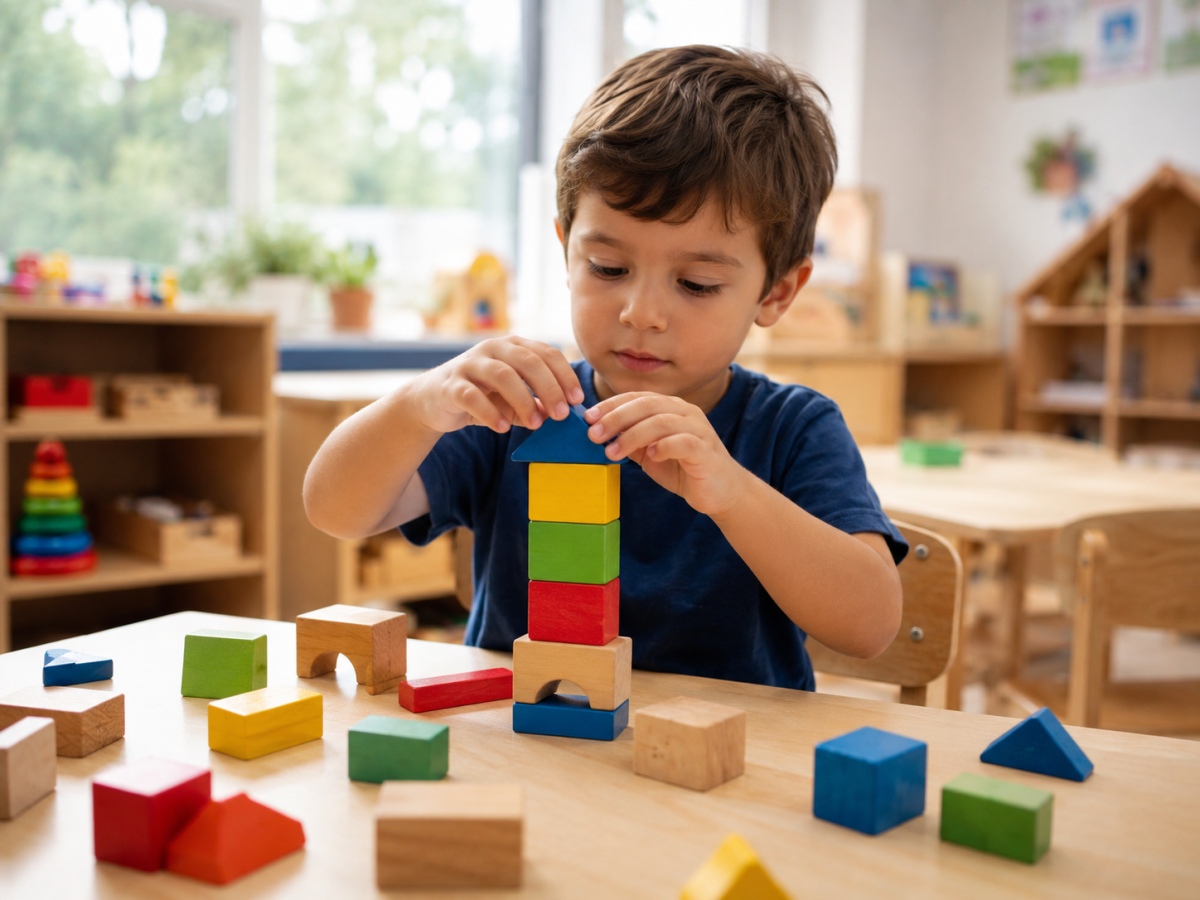
Wooden Building Blocks remain a popular choice in many early education environments because they emphasize balance, coordination, and imaginative construction. Their simple design encourages children to focus on creativity rather than following predefined building systems.
Plastic interlocking Building Blocks continue to dominate global demand due to their versatility. These systems allow children to construct more detailed models while exploring concepts related to engineering, balance, and structural design. As interest in STEM building blocks grows, interlocking systems are increasingly being incorporated into educational settings.
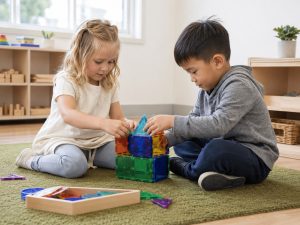
Magnetic Building Blocks represent another growing category. Their intuitive connection mechanisms allow younger children to create three-dimensional structures quickly, helping build confidence and maintain engagement during longer play sessions.
While each category offers distinct advantages, educational experts generally agree that products supporting open-ended play provide the broadest developmental benefits.
Which Building Blocks Offer the Strongest Educational Value?
The educational value of Building Blocks depends largely on how children interact with them. Research indicates that construction toys encouraging exploration and experimentation tend to deliver the most meaningful developmental outcomes.
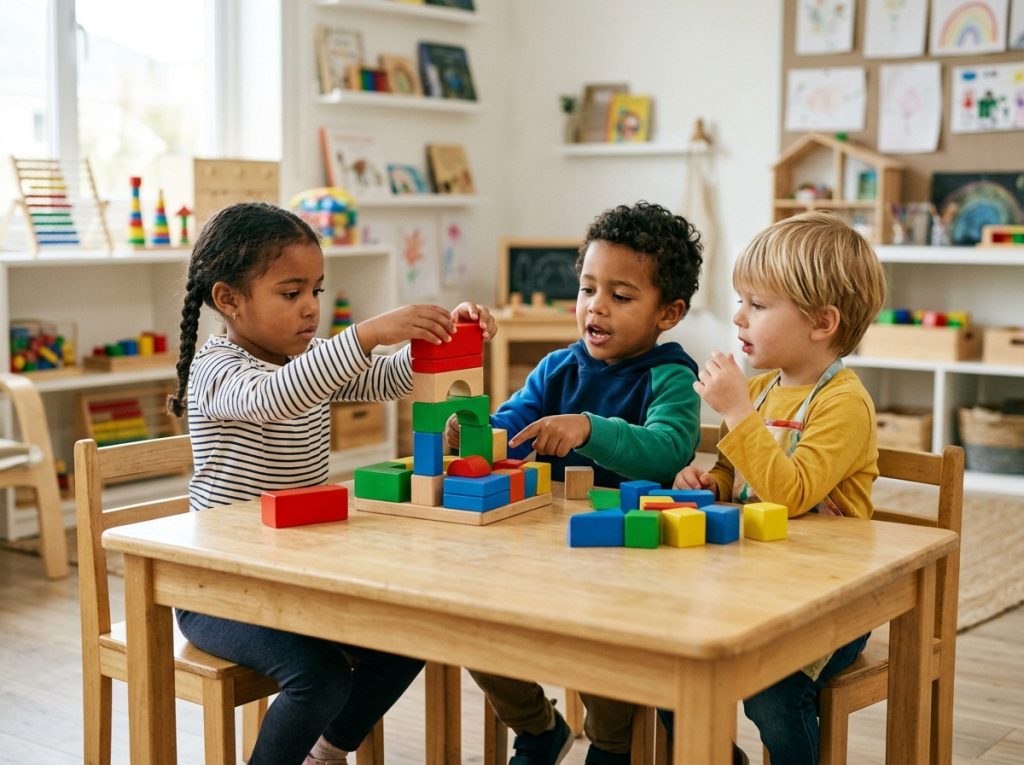
Products featuring varied shapes, multiple connection possibilities, and opportunities for collaborative building can support a wide range of learning objectives.
| Educational Feature | Development Area |
| Open-ended Design | Creativity |
| Shape Variety | Spatial Reasoning |
| Color Diversity | Visual Recognition |
| Structural Challenges | Problem-Solving Skills |
| Collaborative Building | Social Development |
Many modern educational building blocks are designed to introduce STEM concepts through play. Children naturally encounter ideas related to symmetry, balance, gravity, and cause-and-effect relationships while constructing and testing their creations.
Building Blocks and Early STEM Development
Research has linked regular construction play to measurable improvements in spatial reasoning performance, with some studies reporting gains of approximately 15–20% in certain assessment areas.
Although preschool Building Blocks are not formal STEM curricula, they help children develop foundational thinking skills that support later learning in science, technology, engineering, and mathematics.
Educational researchers frequently identify block play as one of the most effective forms of hands-on learning during the preschool years.
Features That Define High-Quality Building Blocks
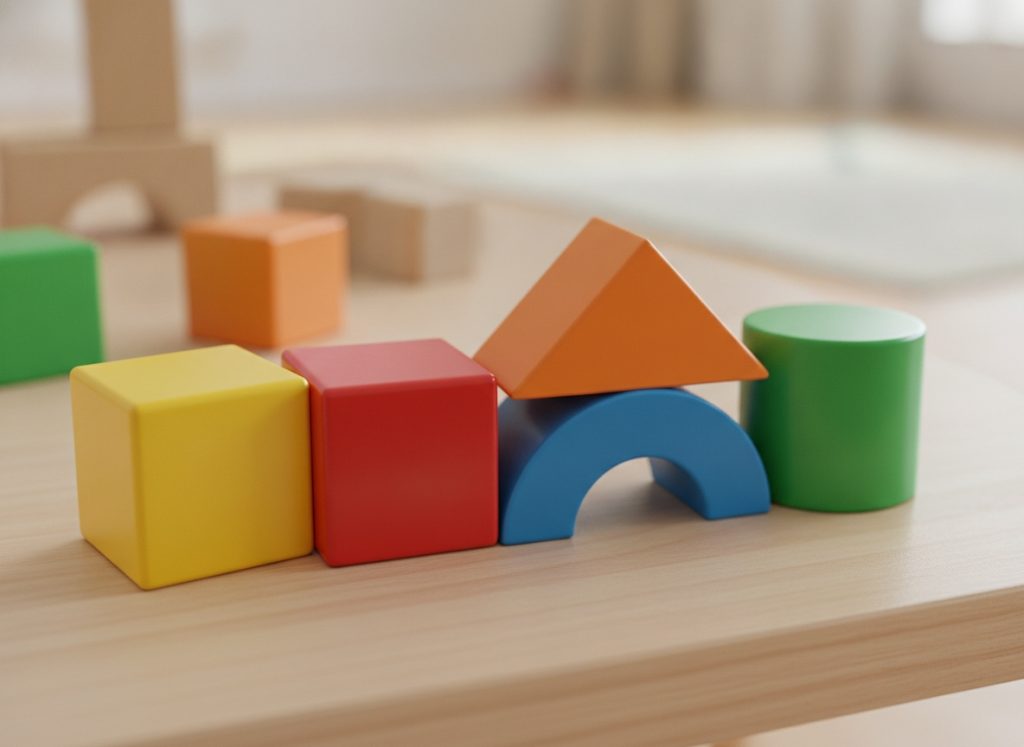
As demand for educational construction toys continues to grow, buyers are paying closer attention to product quality and long-term value.
High-quality Building Blocks typically demonstrate consistent dimensions, reliable connection performance, and durable construction. These characteristics contribute directly to usability in both home and classroom environments.
| Feature | Practical Benefit |
| 55 mm Block Size | Comfortable grip for preschool children |
| Rounded Corners | Improved handling experience |
| Thick-Wall Construction | Enhanced durability |
| Bright Color System | Supports visual learning |
| Expansion Compatibility | Extended product lifespan |
Feedback from distributors, educational retailers, and preschool operators across multiple markets suggests that durability, compatibility, and classroom usability remain among the most important purchasing considerations. These factors often have a greater impact on long-term satisfaction than packaging design or the total number of pieces included in a set.
Why Product Consistency Matters
For educational buyers, retailers, and distributors, product consistency is an often-overlooked factor when evaluating Building Blocks.
Consistent dimensions and reliable connection performance help ensure that pieces function properly across different production batches. This becomes particularly important in classrooms, daycare centers, and educational programs where Building Blocks are used repeatedly over long periods.
Buyers evaluating educational construction toys frequently focus on durability, compatibility, and long-term usability rather than initial purchase cost alone. Reviewing samples and observing how products perform in real learning environments can provide valuable insights before making a purchasing decision.
Growing Interest in Long-Term Learning Systems
Another noticeable trend in 2026 is the increasing demand for Building Blocks that can expand over time. Rather than replacing entire sets, schools and families often prefer systems that remain compatible with future additions.
This approach not only improves long-term value but also allows children to continue developing more advanced building skills as they grow.
Market Trends Shaping Building Blocks in 2026
Several trends are expected to influence the educational toy market throughout 2026. Educational institutions continue to invest in hands-on learning resources, while parents increasingly seek products that combine entertainment with measurable developmental benefits.
At the same time, STEM-focused educational toys continue to gain momentum. Building Blocks that encourage experimentation, collaboration, and creative problem-solving are becoming increasingly popular in both classrooms and homes.
Another significant trend is the growing preference for modular construction systems. Buyers are looking for products that offer flexibility, long-term compatibility, and opportunities for skill progression rather than short-term novelty.
These developments suggest that Building Blocks will remain a core category within the educational toy industry for years to come.
Conclusion
Choosing the best Building Blocks for preschoolers in 2026 involves more than comparing prices or piece counts. The most effective products support cognitive development, encourage open-ended play, and provide opportunities for children to explore STEM concepts through hands-on learning.
Among the many options available today, Building Blocks that combine durable construction, thoughtful educational design, and long-term expandability appear particularly well positioned to meet the needs of modern families, educators, and childcare providers. As research continues to highlight the developmental benefits of construction play, Building Blocks remain one of the most valuable investments in early childhood education.