Over the past few years, buyers in the educational toy industry have gradually shifted their attention from standard products to more experience-driven solutions. Schools, retailers, museums, and children’s brands are increasingly looking for products that combine educational value with distinctive branding.
This change has created new opportunities for companies offering Custom Educational Toys. Instead of relying solely on price competition, brands are using customized solutions to strengthen market recognition, improve customer engagement, and develop long-term relationships with distributors and consumers.
Market trends indicate that personalization is becoming an important factor influencing purchasing decisions. As a result, demand for OEM services and private-label development continues to grow across different regions.
Market Demand Behind the Growth of Custom Educational Toys
The expansion of STEM education and experiential learning has contributed to the rapid development of the educational toy industry. Parents and educators are paying closer attention to products that encourage creativity, problem-solving, and hands-on interaction.
According to industry analysts, the popularity of STEM educational toys, Montessori toys, and sensory learning toys has created new opportunities for brands seeking differentiation. Schools and museums are also showing greater interest in customized products designed around specific learning themes.
Changing Consumer Expectations
Compared with a decade ago, today’s consumers are more likely to appreciate products that offer educational value together with unique experiences. This trend explains why many brands are moving beyond generic products and investing in exclusive collections.
Recent reports highlight that personalized learning experiences are becoming increasingly important in children’s product categories.
How Custom Educational Toys Create Brand Differentiation
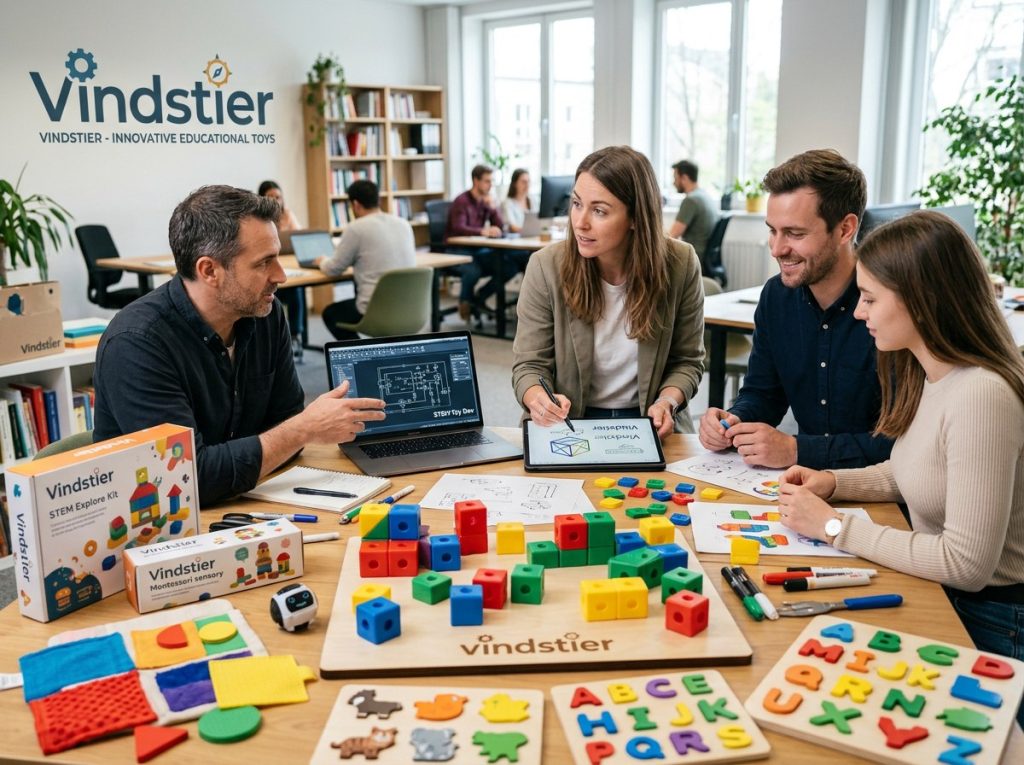
In saturated markets, product exclusivity often has a greater impact than price competition. Brands investing in Custom Educational Toys are increasingly incorporating educational themes, proprietary designs, and region-specific content into their products.
For example, a museum gift shop may launch exclusive wooden educational puzzles inspired by historical artifacts, while a children’s brand might develop STEM educational toys featuring proprietary characters. These customized products create experiences that competitors find difficult to duplicate.
Why Exclusivity Matters in Competitive Markets
Industry observations suggest that memorable product experiences contribute to stronger customer engagement and better brand recognition. Products that combine storytelling with educational value often generate higher repeat purchase rates.
Examples of Customization Opportunities
| Custom Feature | Business Benefit |
| Logo printing | Improves brand visibility |
| Custom packaging | Enhances shelf appeal |
| Exclusive game rules | Creates differentiation |
| Multilingual instructions | Expands international markets |
| Educational themes | Supports curriculum requirements |
For many brands, customized solutions have become an effective way to develop branded educational toys that stand apart from standard products available in the market.
The Marketing Value of Custom Educational Toys
The application scenarios for Custom Educational Toys have expanded considerably in recent years. Besides traditional retail channels, educational products are now commonly used in school programs, museum gift shops, subscription boxes, and promotional campaigns.
Data from consumer behavior studies reveal that interactive products tend to remain in households longer than conventional promotional items. This longer lifecycle often translates into greater brand exposure.
Why Educational Products Generate Lasting Engagement
Unlike disposable promotional products, educational toys encourage repeated use. A STEM activity set or a collection of sensory learning toys may continue to engage children over months or even years, providing brands with extended visibility.
Key advantages include:
- Higher perceived value
- Better customer retention
- Increased social media sharing
- Stronger storytelling opportunities
- Improved brand recall
Because of these advantages, many companies are incorporating private label educational toys into their long-term marketing strategies.
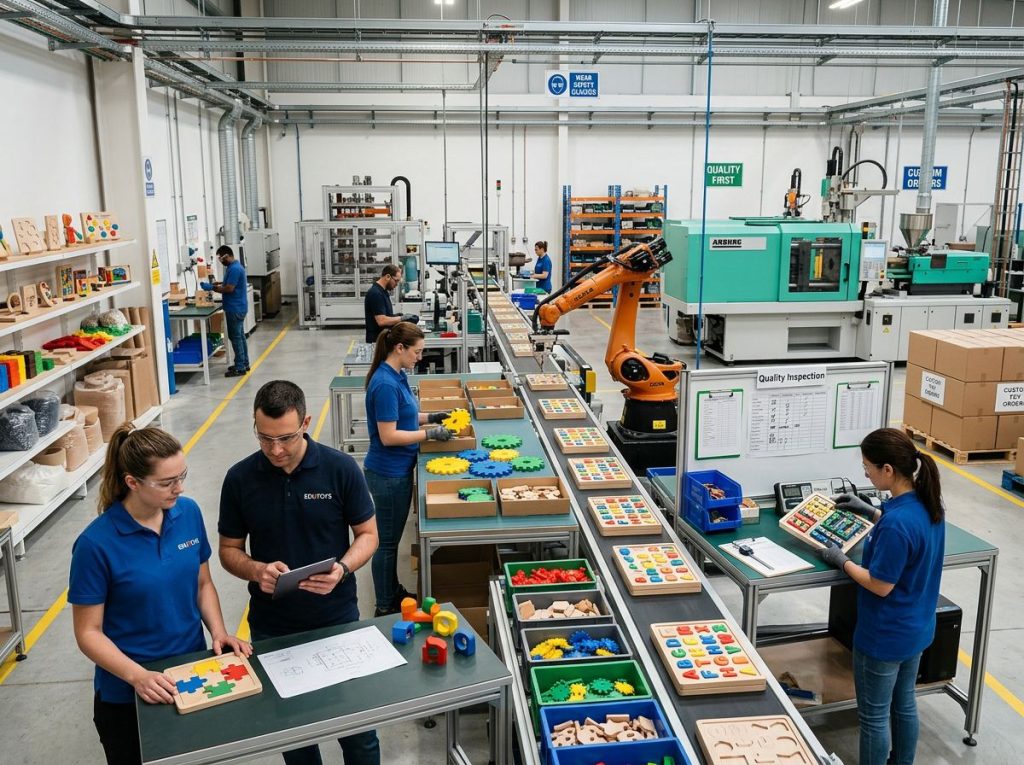
Key Manufacturing Capabilities Behind Reliable Custom Educational Toys
Professional buyers usually evaluate suppliers based on measurable production capabilities rather than broad marketing claims. Prototype efficiency, production capacity, printing methods, and packaging flexibility all influence purchasing decisions.
For an experienced educational toy manufacturer, these factors often determine whether large-scale projects can be delivered consistently.
| Manufacturing Capability | Typical Specification |
| Prototype lead time | 7–15 days |
| Production capacity | 50,000–300,000 units/month |
| Printing methods | UV printing, heat transfer, silk screen |
| Packaging options | Color box, window box, gift set |
| Age-targeted designs | 3–5 years, 6–8 years, 9–12 years |
| Material combinations | FSC-certified wood, ABS components, silicone elements |
Detailed specifications have become increasingly important for B2B buyers. For instance, some wooden educational puzzles use FSC-certified beech wood with moisture content maintained below 12%, while certain STEM educational toys contain more than 120 components designed to encourage practical problem-solving.
Why Specific Technical Data Matters to Buyers
Providing detailed specifications often helps manufacturers establish credibility. Buyers evaluating an OEM educational toy manufacturer are typically more interested in concrete production capabilities than in generalized marketing descriptions.
Customization Trends Shaping Future Demand
Industry reports indicate several emerging trends that are expected to influence future product development:
- AI-assisted learning toys
- Augmented reality educational games
- Sustainable wooden learning products
- Coding and robotics kits
- Multisensory developmental toys
Companies that respond early to these changes may gain stronger competitive advantages in the years ahead.
Building a Professional Brand Image Through Custom Educational Toys
Professional image depends not only on product appearance but also on the ability to provide comprehensive support throughout the development process.
Companies specializing in Custom Educational Toys often strengthen their credibility through curriculum-oriented product development, detailed user instructions, packaging consistency, and technical documentation. These elements are especially important for distributors and educational institutions seeking reliable long-term partners.
Why Expertise Matters in B2B Cooperation
Market data suggests that buyers increasingly prefer suppliers capable of supporting OEM and private-label projects from concept development to mass production. This shift highlights the growing importance of technical expertise and project management capabilities.
What Brands Often Look For in a Manufacturing Partner
In addition to production capacity, brands frequently evaluate prototype efficiency, packaging flexibility, and development support when selecting a manufacturing partner.
Suppliers capable of managing private label educational toys and OEM projects are often better positioned to adapt to changing market demands. As product differentiation becomes increasingly important, cooperation between brands and manufacturers is evolving into a long-term strategic partnership rather than a simple transaction.
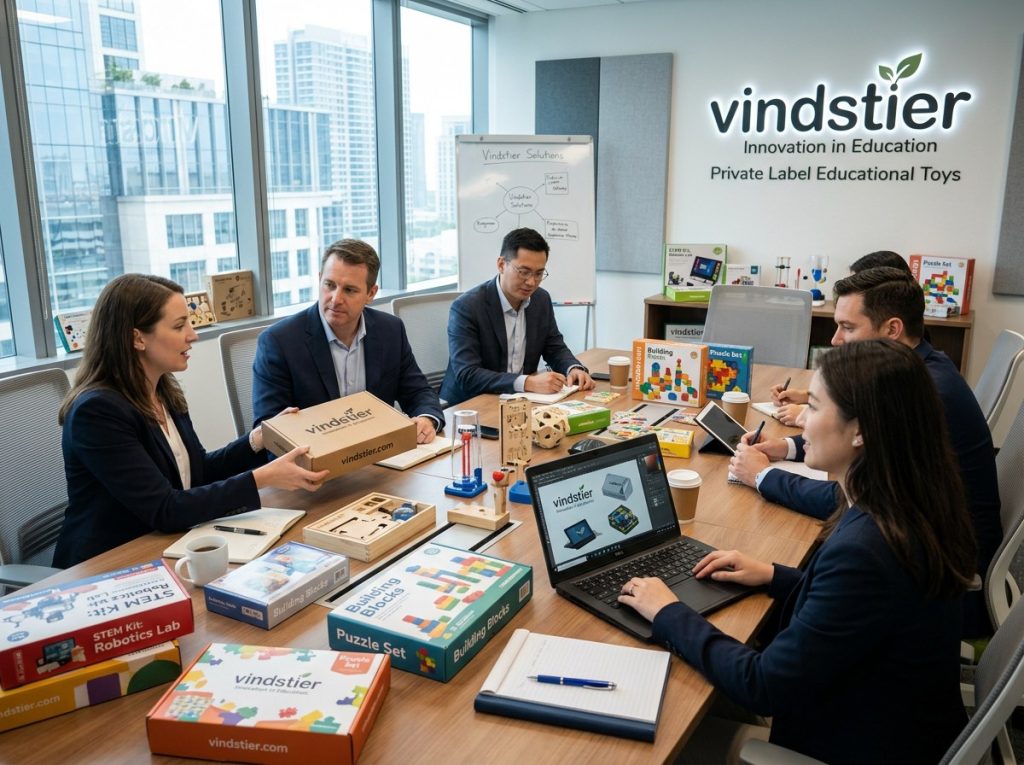
Why More Brands Are Investing in Custom Educational Toys
Although standard products remain widely available, more companies are recognizing the value of exclusivity and long-term brand building. Rather than competing solely on price, businesses are increasingly focusing on creativity, educational value, and user experience.
Long-Term Value Beyond Price Competition
For distributors and retailers, differentiation often provides more sustainable growth than price-based competition. This explains why demand for branded educational toys and private label educational toys continues to increase.
The differences between generic products and customized solutions can be seen more clearly below:
| Factor | Generic Products | Custom Educational Toys |
| Brand Identity | Limited | Strong |
| Product Exclusivity | Low | High |
| Marketing Flexibility | Standard | Extensive |
| Customer Engagement | Moderate | Higher |
| Repeat Purchase Potential | Average | Stronger |
As competition intensifies, many brands are turning to experienced educational toy manufacturers and OEM educational toy manufacturers to develop products that reflect their own identities and meet evolving consumer expectations.
Conclusion
Competitive markets reward brands that deliver memorable experiences rather than interchangeable products. Industry trends and consumer data increasingly indicate that Custom Educational Toys offer advantages that extend beyond product customization itself.
From strengthening brand identity and improving customer engagement to supporting OEM development and private-label strategies, customized solutions provide opportunities for sustainable growth. For companies seeking stronger market positioning and more qualified inquiries, investing in Custom Educational Toys appears to be a practical and forward-looking approach.
Rather than competing solely on price, brands that focus on unique educational experiences are likely to build deeper customer relationships and achieve greater long-term value.