
Vindstier Blogs
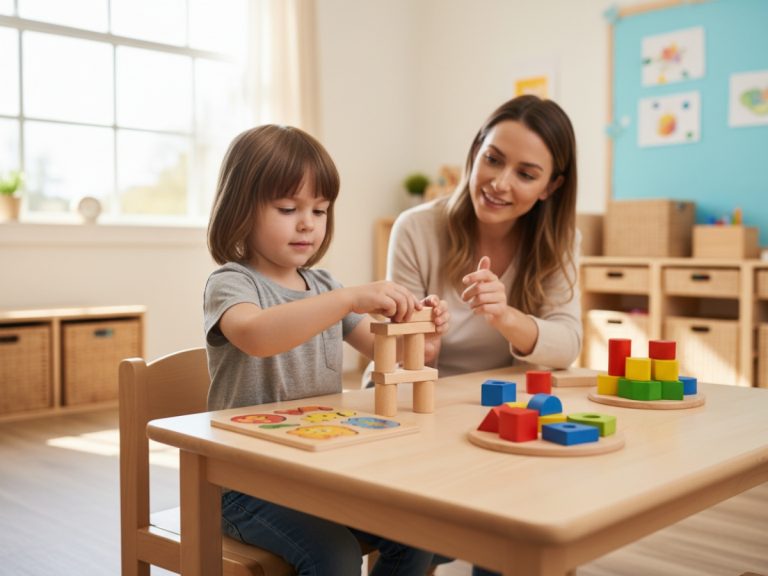
Starting school is a major transition for young children. Beyond learning letters and numbers, children entering kindergarten need to develop attention control, communication skills, independence...
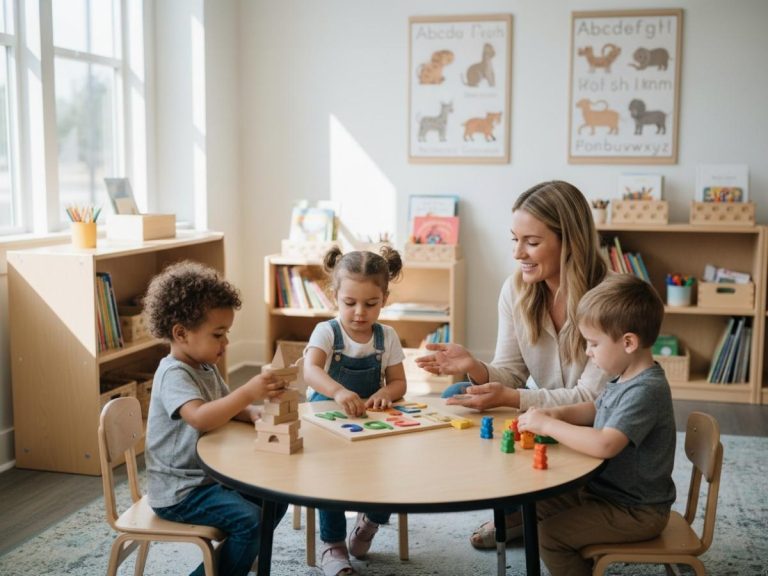
Selecting the right Preschool Learning Toys is no longer just about choosing colorful products that keep children occupied. As early childhood education continues to receive greater attention...
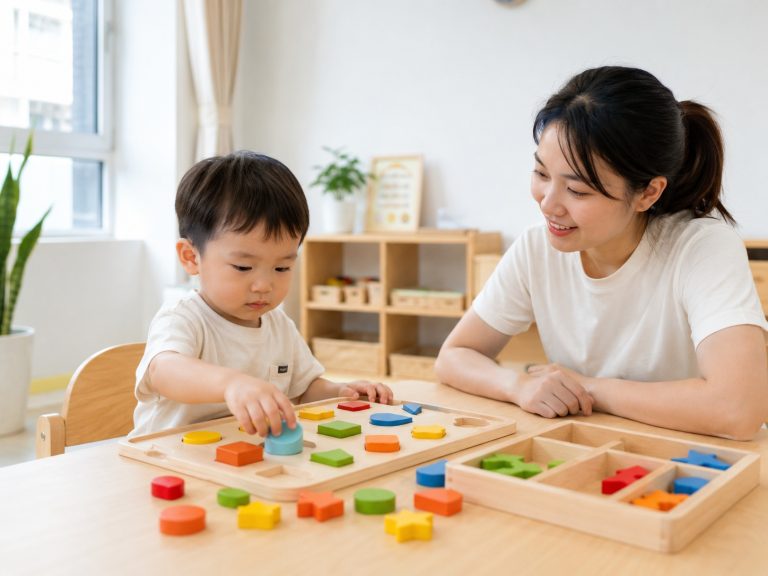
Sorting Toys have become an essential part of early childhood education because they transform simple play into meaningful learning experiences. Instead of passively watching or listening, toddlers...
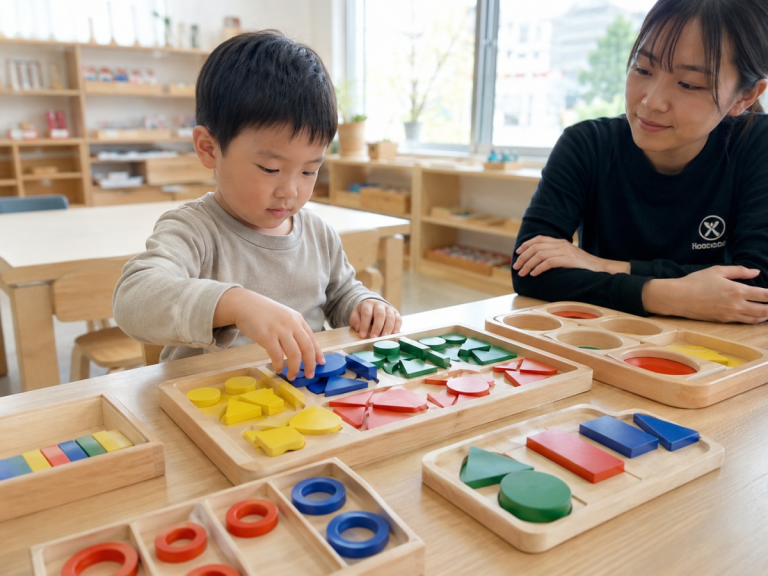
Early math learning begins long before children recognize numbers or solve simple equations. Children first learn to compare, classify, match, and recognize patterns through everyday experiences. This...
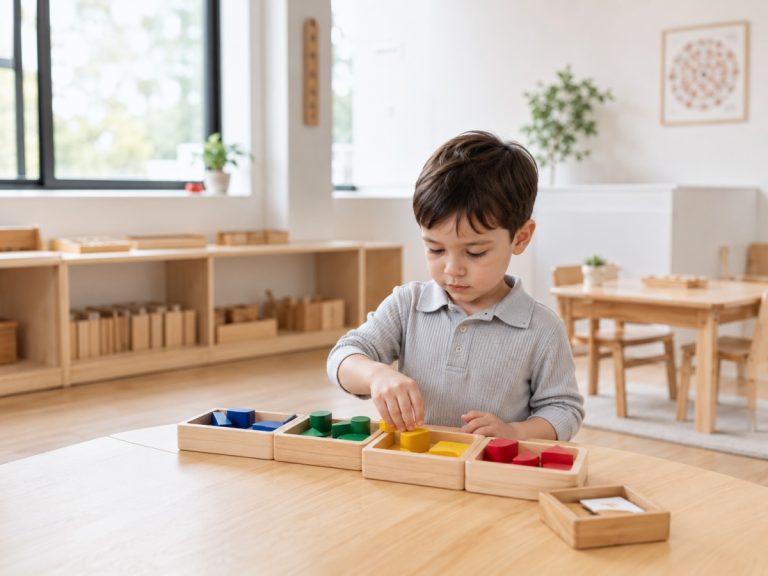
Sorting Toys have become one of the most widely used learning resources in early childhood education because they combine play with purposeful skill development. Whether children are matching colors...
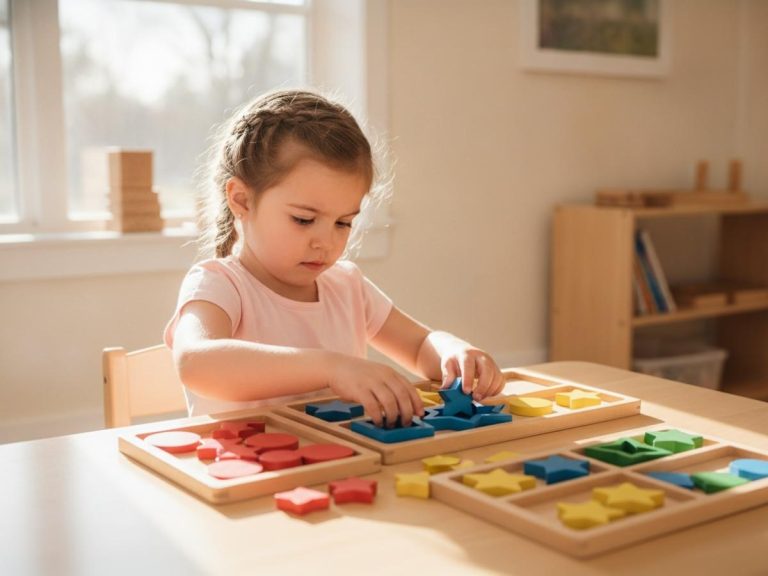
Children begin recognizing patterns long before they learn formal mathematics. They discover repetition through colors, sounds, shapes, numbers, and everyday routines. When a child notices that a blue...