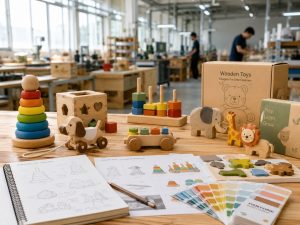
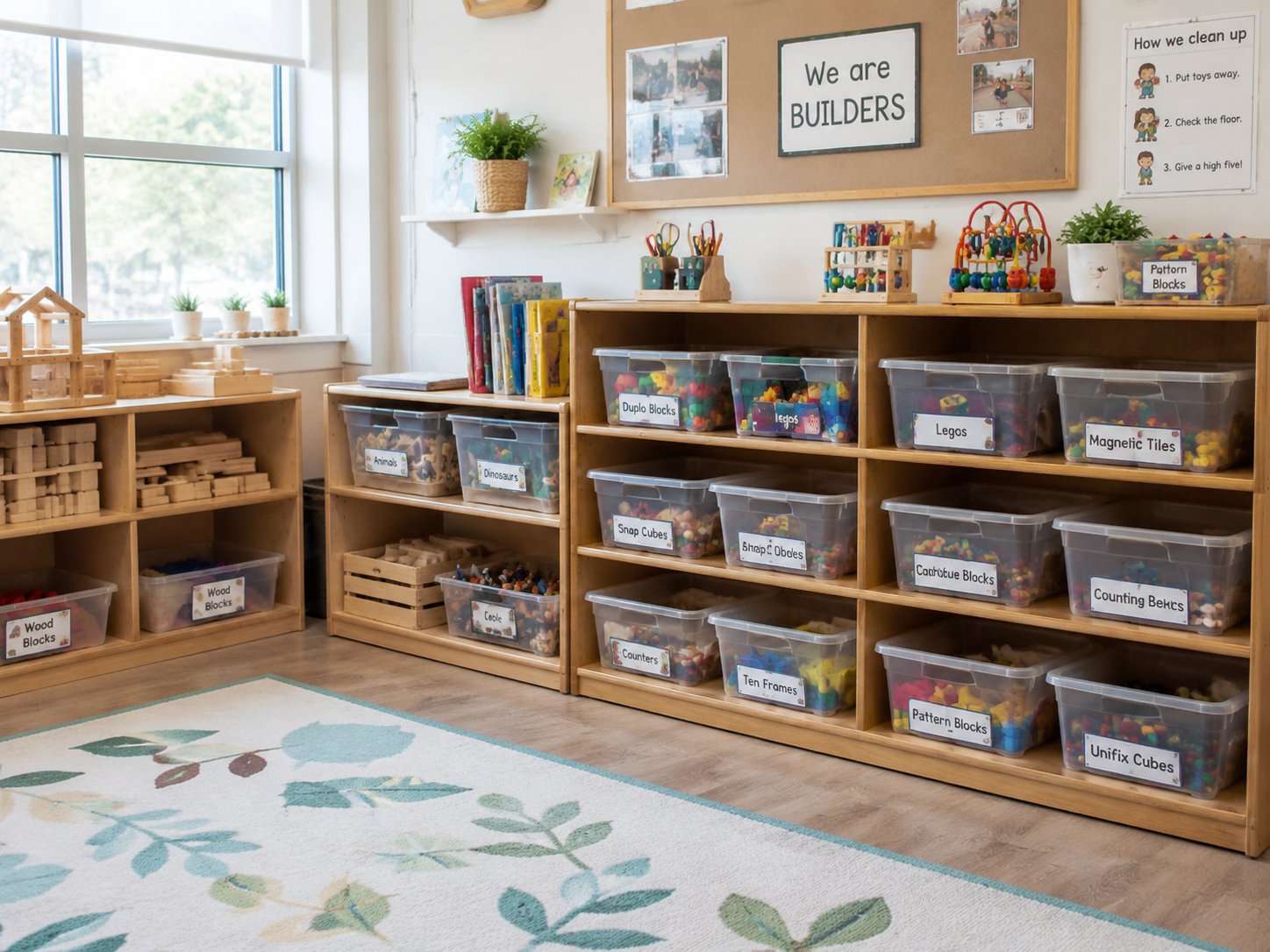
School administrators purchasing learning toys for kindergarten students face a persistent dilemma every budget cycle. Catalogs overflow with products labeled “educational,” yet classroom reality tells a different story. Teachers report that most purchased toys lose student interest within weeks, break under normal use, or require constant adult supervision that defeats their purpose. Meanwhile, procurement teams struggle to justify investments when outcomes remain invisible.
The core issue isn’t inadequate funding—it’s the absence of professional evaluation frameworks. Without clear standards distinguishing genuinely educational materials from dressed-up entertainment, purchasing decisions default to flashy marketing or lowest bidding. Neither approach correlates with actual learning impact or long-term value.
This guide establishes evidence-based criteria for selecting learning toys for kindergarten students that support measurable developmental progress while meeting institutional durability and cost-efficiency requirements.
Why Standard Procurement Approaches Fail Classrooms
Most school purchasing processes evaluate toys through consumer product logic: safety certifications, age labels, and unit pricing. These factors matter but ignore the central question determining return on investment—whether materials support specific instructional goals within group learning environments.
The American Academy of Pediatrics published research in 2018 demonstrating that open-ended play materials produced substantially stronger developmental gains than electronic or single-function products. Yet institutional catalogs remain dominated by battery-operated gadgets with minimal replay value. This gap persists because manufacturers design for parent buyers making one-time purchases, not educators managing 25 students daily across full academic years.
Three critical failures undermine conventional procurement. First, durability standards assume careful individual use rather than institutional conditions involving dozens of users, frequent transitions, and limited supervision. Consumer-grade toys typically fail within one semester under classroom demands, making actual cost-per-use far exceed invoice pricing. A $400 manipulative set requiring annual replacement costs more over three years than $900 commercial-grade materials lasting five years.
Second, engagement lifespan gets ignored entirely. Products designed to impress during unboxing often lack complexity for sustained use. Kindergarteners return repeatedly to materials offering variable challenge levels and creative reinterpretation possibilities. Single-solution toys get abandoned once children master the intended interaction, forcing teachers to continuously source replacements.
Third, instructional integration receives no consideration. Most toys arrive without guidance connecting them to literacy benchmarks, numeracy objectives, or social-emotional learning frameworks. Teachers need materials explicitly supporting curriculum goals, not vague promises about “sparking imagination.” Without clear learning pathways, even well-designed toys become time-fillers rather than instructional assets.
Professional Selection Standards for Learning Toys for Kindergarten Students
Effective evaluation recognizes that educational toys must satisfy two distinct users: children who interact with them and teachers who manage deployment. Quality learning toys for kindergarten students meet four essential criteria.
Developmental alignment matters more than age labels. The 4-6 age range encompasses dramatic cognitive transitions—from pre-operational thinking toward logical reasoning, from parallel play toward cooperative problem-solving. Appropriate materials scaffold these shifts rather than targeting generic “preschool” demographics.
Strong materials work across multiple developmental domains simultaneously. Construction systems build spatial reasoning while requiring fine motor control and enabling collaborative building. Pattern activities reinforce early math concepts while developing visual discrimination and turn-taking skills. The best investments support integrated learning rather than isolating single competencies.
Variable complexity enables mixed-ability groups. Kindergarten classrooms serve children with 18-month developmental spreads. Materials that challenge advanced learners while remaining accessible to emerging students maximize utilization and eliminate ability-based segregation needs.
This requires open-ended design with multiple solution pathways. Magnetic tiles work equally for children building simple enclosures and those engineering complex geometric forms. Loose parts collections support basic sorting activities and elaborate storytelling scenarios. Fixed-outcome puzzles force teachers to maintain parallel material sets, multiplying storage demands and inventory complexity.
Commercial-grade construction meets institutional demands. School-quality toys withstand 200+ annual uses from children still developing careful handling habits. This demands impact-resistant materials, reinforced connections, and surface treatments surviving daily sanitization protocols.
Durability indicators include solid hardwood or high-density polymers over hollow plastics, metal fasteners instead of adhesive joints, and water-resistant finishes tolerating bleach-based cleaners. Manufacturer specifications should state expected classroom lifespan, not merely safety test passage. Products lacking institutional durability claims typically fail within first-year use.
Teacher-friendly management reduces hidden costs. Even excellent toys become burdens if requiring 15-minute setup, generating small parts that vanish daily, or needing constant adult mediation. Procurement must account for teacher labor costs embedded in each material choice.
Practical factors include storage footprint, component counts, and reset time between groups. Materials requiring extensive adult explanation create bottlenecks during independent play. Self-evident interaction patterns enable autonomous engagement, freeing teachers for observation and targeted support.
Implementation Strategies That Maximize Learning Impact
Well-chosen learning toys for kindergarten students only deliver full educational value when paired with intentional classroom integration. Purchasing quality materials represents half the value equation—realizing full potential requires deliberate implementation strategies.
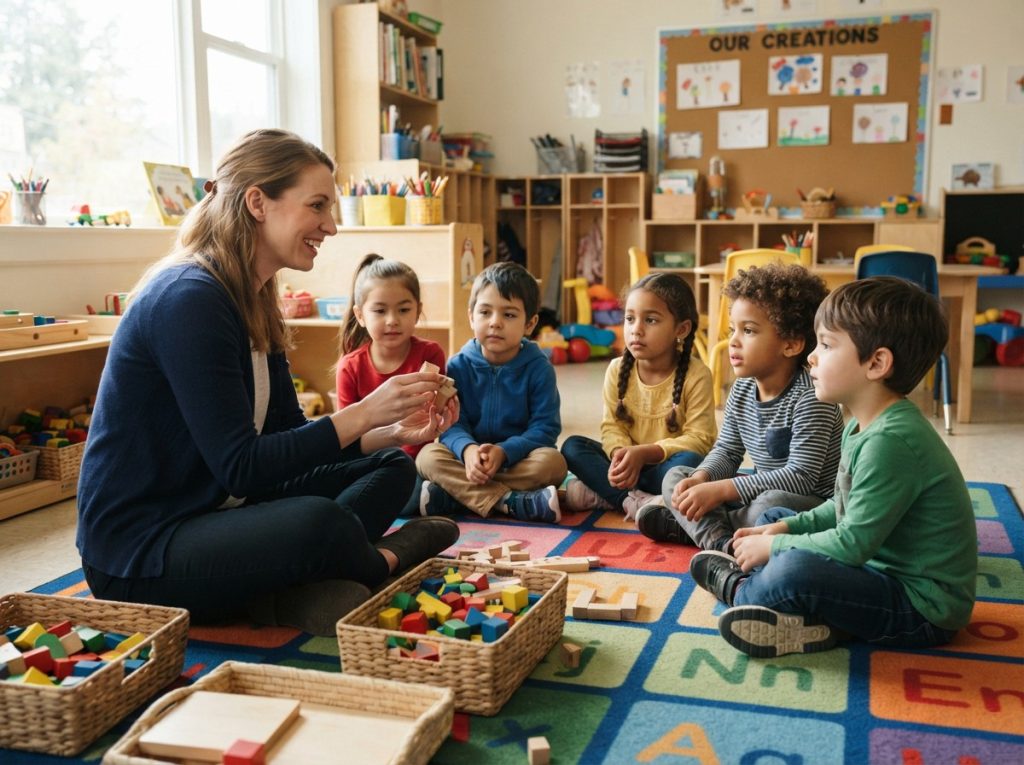
Structured introduction prevents chaos and damage. New materials need scaffolded rollout rather than immediate open access. Effective teachers introduce one category at a time through demonstration, establish usage expectations, and allow supervised small-group exploration before full availability.
This staged approach prevents overwhelming choice while teaching care procedures extending material lifespan. A two-week cycle—guided use followed by monitored independence—reduces damage and establishes behavioral norms persisting throughout the year. Teachers report 60% lower breakage rates using phased introduction versus immediate full access.
Strategic rotation maintains engagement and focus. Rather than permanent access to all materials, planned rotation sustains novelty while reinforcing current themes. Classrooms studying patterns might foreground sequencing activities, tessellation materials, and sorting games while temporarily storing unrelated items.
Rotation serves multiple purposes: reducing visual clutter overwhelming some learners, creating anticipation around “returning favorites,” and enabling deep engagement with fewer options rather than superficial interaction with many. Four to six-week rotation cycles align with typical unit lengths while keeping storage manageable.
Observation protocols generate actionable assessment data. Kindergarten learning toys produce rich evaluation information when teachers use structured observation frameworks. Rather than generic notes, systematic documentation tracks specific competencies: pattern replication accuracy, resource negotiation without adult prompting, problem-solving persistence when attempts fail.
These observations inform individual learning plans and future material selections. If multiple children struggle with complexity levels, that signals introduction modification needs or developmental mismatches. If highly-rated toys see minimal engagement, that provides data about student interests shaping next procurement cycles.
Measuring Outcomes and Return on Investment
Judging the real value of learning toys for kindergarten students requires tracking more than just purchase completion. Investment success isn’t acquiring materials—it’s generating developmental progress justifying expenditure. Effective evaluation tracks three evidence categories.
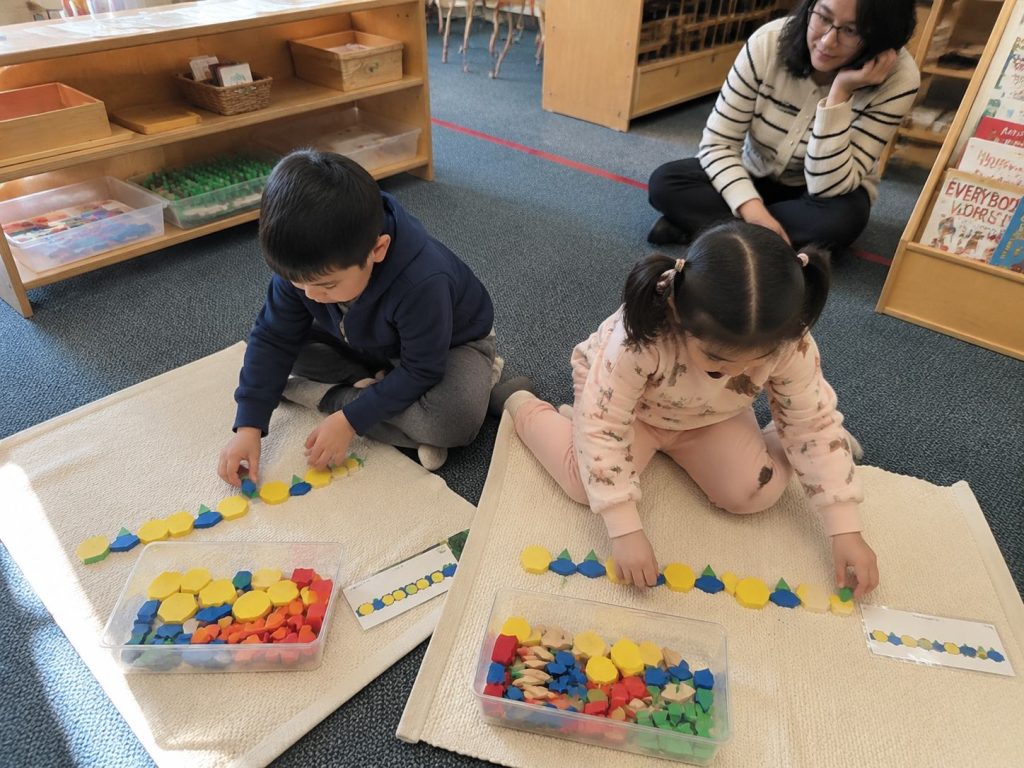
Engagement persistence reveals appropriateness. Quality materials maintain student interest across repeated exposures. If toys see heavy week-one use but sit untouched by week four, they failed the complexity test regardless of educational claims. Simple tracking shows which materials students choose during free play versus which require teacher prompting.
Sustained engagement indicates appropriate challenge and replay value. Declining engagement suggests insufficient complexity or inadequate introduction. Both patterns inform future decisions.
Skill transfer validates educational claims. Educational toys should develop competencies appearing in other contexts. Does the child mastering toy-based patterns later notice patterns in daily routines? Do block-building experiences improve spatial language during storytime?
Teachers can create simple transfer checks: photograph toy-based work, then ask children to draw it the next day, testing visual memory and spatial reasoning. Observe whether negotiation skills practiced during toy sharing appear during playground interactions. These connections confirm play produces genuine learning rather than mere entertainment.
Teacher adoption signals practical value. Sustainable use requires teachers viewing materials as time-efficient. Quarterly surveys identifying which materials teachers actively promote versus tolerate reveal true value. Items demanding constant management or producing marginal learning should be removed regardless of purchase cost.
Positive indicators include teachers spontaneously documenting student work with particular toys, requesting additional units, or designing activities around specific materials. These organic adoptions signal strong teacher-material alignment worth replicating in future purchases.
Understanding Real-World Constraints and Common Pitfalls
No procurement strategy eliminates all challenges. Recognizing typical limitations prevents unrealistic expectations and costly errors that undermine even carefully selected learning toys for kindergarten students.
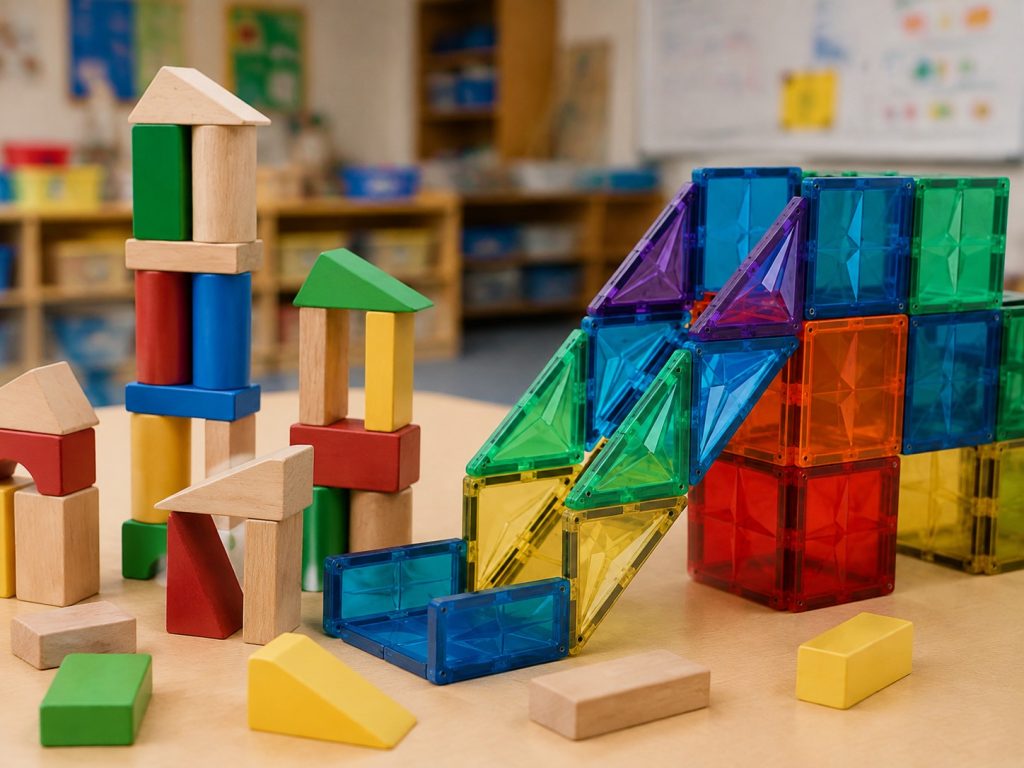
Budget realities create genuine constraints. Commercial-grade materials often cost 50-70% more than consumer equivalents upfront. Schools with fixed per-student allocations must either phase purchases across years or reduce variety to prioritize durability. The cost barrier exists but becomes manageable through lifecycle analysis. Calculate cost-per-student-per-year rather than invoice price. A $600 toy used by 100 students annually for five years costs $1.20 per student-year. A $200 alternative lasting 18 months costs $1.33 per student-year while requiring three replacement cycles.
Space limitations force difficult tradeoffs. Durable toys typically require more storage volume than collapsible consumer versions. Severe space constraints may necessitate prioritizing materials offering highest learning-per-cubic-foot ratios. Vertical storage systems and multipurpose furniture recover some space, but library-style rotation between classrooms—materials moving on weekly schedules—can maximize limited inventory.
Teacher training gaps undermine investment value. Quality learning toys for kindergarten students deliver returns only when teachers understand instructional applications. Schools investing in premium materials without corresponding professional development waste the cost differential. Minimum viable training includes implementation guides, peer observation of effective integration, and planning sessions aligning material use with objectives. Budget 5-8% of material costs for associated training.
These routine missteps result in underutilized learning toys for kindergarten students and wasted budget that could be allocated to higher-impact materials. Common procurement mistakes compound over time: lowest-bid requirements systematically favor short-term thinking over lifecycle value, bulk purchasing without teacher input produces stockrooms full of unused materials, and neglecting storage planning leaves quality toys inaccessible or damaged.
Conclusion
The persistent gap between educational toy spending and actual learning outcomes stems from treating procurement as facilities management rather than curriculum design. Closing this gap requires systematic evaluation frameworks prioritizing developmental alignment, institutional durability, and instructional integration over superficial features and initial pricing.
Schools succeeding in this shift report consistent patterns: higher teacher satisfaction with available materials, sustained student engagement throughout academic years, and lower total replacement costs despite higher upfront investment. These outcomes emerge from recognizing that quality in learning toys for kindergarten students isn’t about premium branding—it’s about materials designed for how children actually learn and how classrooms actually function.
Professional procurement demands evidence-based selection criteria, structured implementation protocols, and outcome measurement systems. It means requesting institutional durability specifications from vendors, piloting materials with teacher evaluators before bulk orders, and building rotation systems maximizing engagement. It requires calculating lifecycle costs rather than invoice prices and allocating professional development resources alongside material budgets.
The return on this systematic approach extends beyond individual classrooms. Schools establishing rigorous procurement standards create institutional knowledge that compounds over years, build vendor relationships delivering better value, and develop teacher capacity for effective material use. For commercial-grade learning toys built to kindergarten classroom institutional specifications, Vindstier’s educational collections are engineered for multi-year daily use. Most critically, systematic procurement ensures that limited educational resources generate maximum developmental impact for the students they serve.