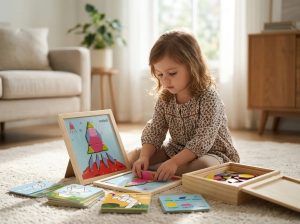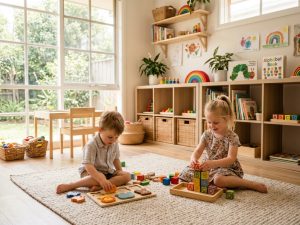
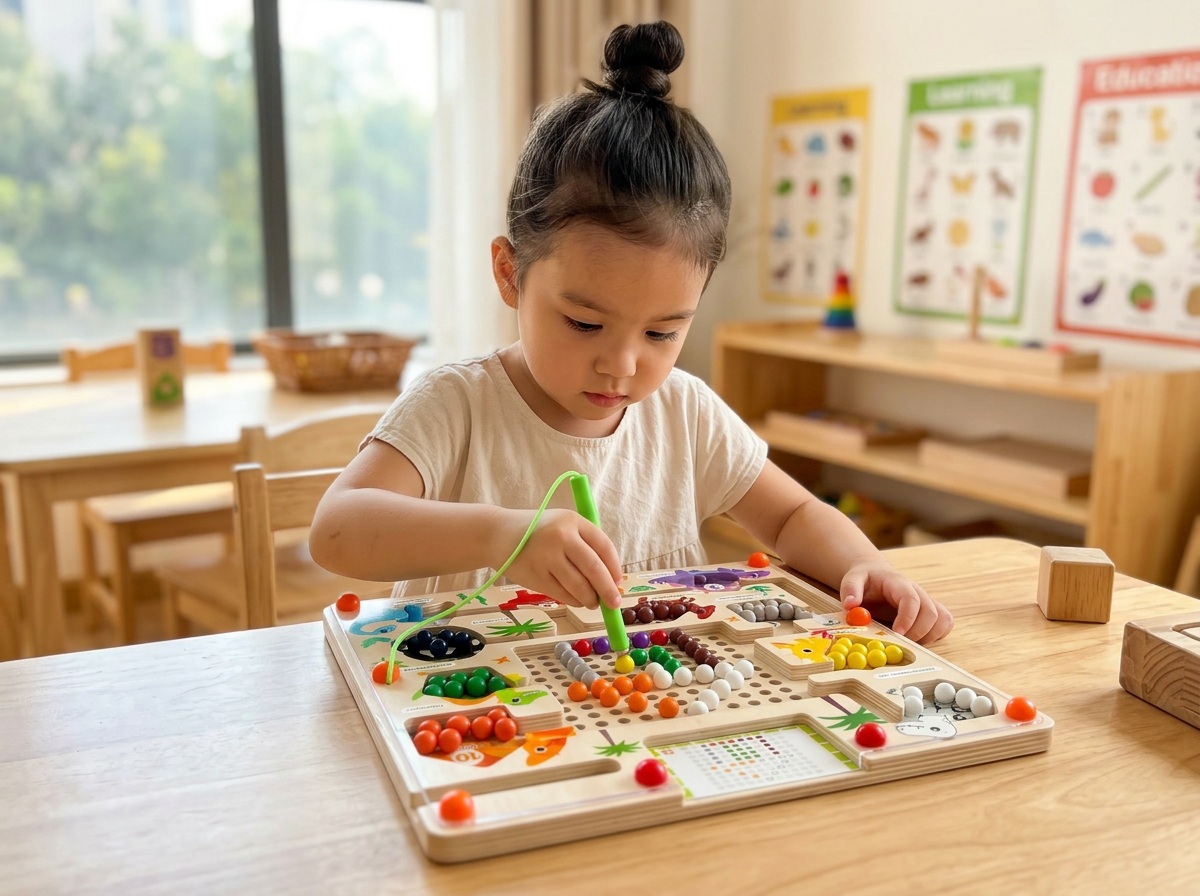
Fine motor skills influence almost every stage of early childhood development. From learning to hold a pencil to fastening clothing, turning book pages, and using classroom tools, children rely on precise hand movements supported by strong coordination between the brain, eyes, and muscles. Because these abilities develop gradually through repeated practice, educators and therapists increasingly recommend activities that encourage active, hands-on learning instead of passive observation.
Among today’s educational toys, Maze Toys have earned a lasting place in preschools, learning centers, and therapy environments. Rather than asking children to simply watch or memorize, these toys encourage them to manipulate beads, sliders, or movable pieces through carefully designed pathways. Every movement requires concentration, visual tracking, and controlled finger motion, transforming play into a meaningful learning experience.
The importance of this type of play is supported by developmental research. The American Academy of Pediatrics emphasizes that play is fundamental to healthy child development because it strengthens cognitive, physical, social, and emotional skills. Likewise, research published in Frontiers in Psychology has shown that structured manipulative play can improve motor planning, executive function, and sustained attention during early childhood.
For businesses serving the education market, Maze Toys are more than classroom resources. They represent a product category that aligns with the growing demand for screen-free learning, Montessori-inspired education, and practical developmental activities. Understanding why Maze Toys remain popular can help educators make informed teaching decisions while enabling manufacturers, distributors, and retailers to better respond to changing market expectations.
How Maze Toys Support Fine Motor Development
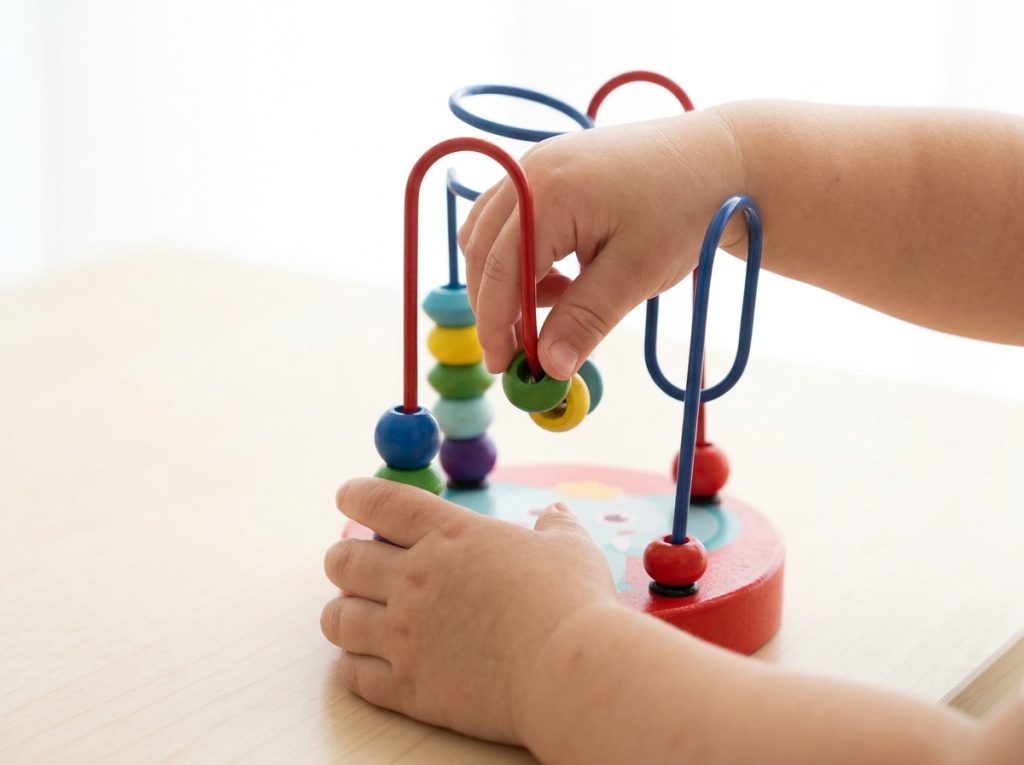
Fine motor development depends on far more than finger strength alone. Every precise movement requires the hands, wrists, eyes, and brain to work together continuously. Whether a child is writing, tying shoelaces, or picking up a small object, multiple muscles and cognitive processes operate simultaneously to produce smooth, coordinated movement.
Maze Toys naturally encourage this coordination because children must guide objects through pathways while constantly adjusting speed, direction, and pressure. Instead of repeating isolated exercises, they solve a small physical challenge that requires both movement and concentration. This combination makes practice feel purposeful rather than repetitive.
According to developmental specialists, repetitive object manipulation strengthens neural pathways responsible for precise motor control. As children repeat similar movements over time, these neural connections become more efficient, allowing everyday tasks to be completed with greater accuracy and confidence.
Researchers have also found that educational play involving physical manipulation contributes to broader aspects of child development, including visual perception, attention control, and spatial awareness. Rather than separating physical learning from cognitive learning, Maze Toys integrate both into a single activity.
Core Skills Developed Through Maze Toys
| Development Area | How Maze Toys Help |
| Hand-eye coordination | Children visually monitor each movement while adjusting hand position in real time. |
| Finger dexterity | Small, repeated movements strengthen individual finger control and flexibility. |
| Pincer grasp | Guiding beads and sliders reinforces thumb-and-index finger coordination. |
| Wrist stability | Curved pathways encourage controlled wrist movement instead of large arm motions. |
| Bilateral coordination | One hand stabilizes the toy while the other performs precise manipulation. |
| Visual tracking | Following moving objects improves focus and eye movement control. |
These abilities rarely develop independently. Instead, they improve together through consistent exposure to fine motor activities that require purposeful movement and problem-solving. This is one reason why Maze Toys continue to be recommended alongside other manipulative learning materials in early childhood education.
“Play is essential to development because it contributes to the cognitive, physical, social, and emotional well-being of children.” — American Academy of Pediatrics
How Maze Toys Improve Fine Motor Skills Through Active Play
One of the defining advantages of Maze Toys is that they transform practice into exploration. Instead of asking children to repeat the same movement for the sake of repetition, they encourage experimentation, curiosity, and gradual improvement. Children often repeat a pathway several times while trying different approaches or attempting to complete the maze more smoothly, creating repeated opportunities to strengthen motor skills without losing interest.
Studies on motor learning consistently show that meaningful repetition is one of the most effective ways to improve movement accuracy. However, repetition is only beneficial when children remain engaged. Maze Toys achieve this by providing immediate visual feedback. Every successful movement becomes a small accomplishment, motivating children to continue practicing while naturally increasing the number of coordinated hand movements performed during play.
This process also helps develop movement precision. As children encounter turns, intersections, and obstacles within a maze, they learn to adjust finger pressure, wrist position, and movement speed. These small adjustments gradually improve muscle memory, making later tasks such as handwriting, drawing, cutting with scissors, and manipulating classroom materials easier to perform.
Educational research suggests that preschool classrooms typically include daily periods of hands-on learning that range from 15 to 30 minutes. During these sessions, teachers frequently introduce wooden maze toys, bead maze activities, puzzles, and sorting games because these materials encourage independent exploration while supporting multiple developmental objectives at the same time.
Unlike many electronic learning products, Maze Toys require children to remain physically involved throughout the activity. Every decision results in a visible movement, helping them connect action with outcome. This active participation not only strengthens coordination but also encourages persistence when challenges become more complex.
Why Active Learning Produces Better Results
Children learn most effectively when they can see the results of their actions. Immediate feedback allows them to recognize mistakes, adjust their movements, and experience success through their own efforts. Developmental psychologists often describe this process as active learning because children build understanding through direct interaction rather than passive observation.
For this reason, Maze Toys are commonly combined with other preschool toys, including stacking blocks, shape sorters, and activity cubes, to create learning environments that balance creativity, movement, and independent thinking. Together, these educational toys help children strengthen both physical coordination and confidence as they prepare for increasingly complex classroom activities.
As schools and families continue to value screen-free educational play, Maze Toys remain a practical example of how simple product design can deliver meaningful developmental benefits while keeping children fully engaged in the learning process.
How Maze Toys Encourage Cognitive Growth
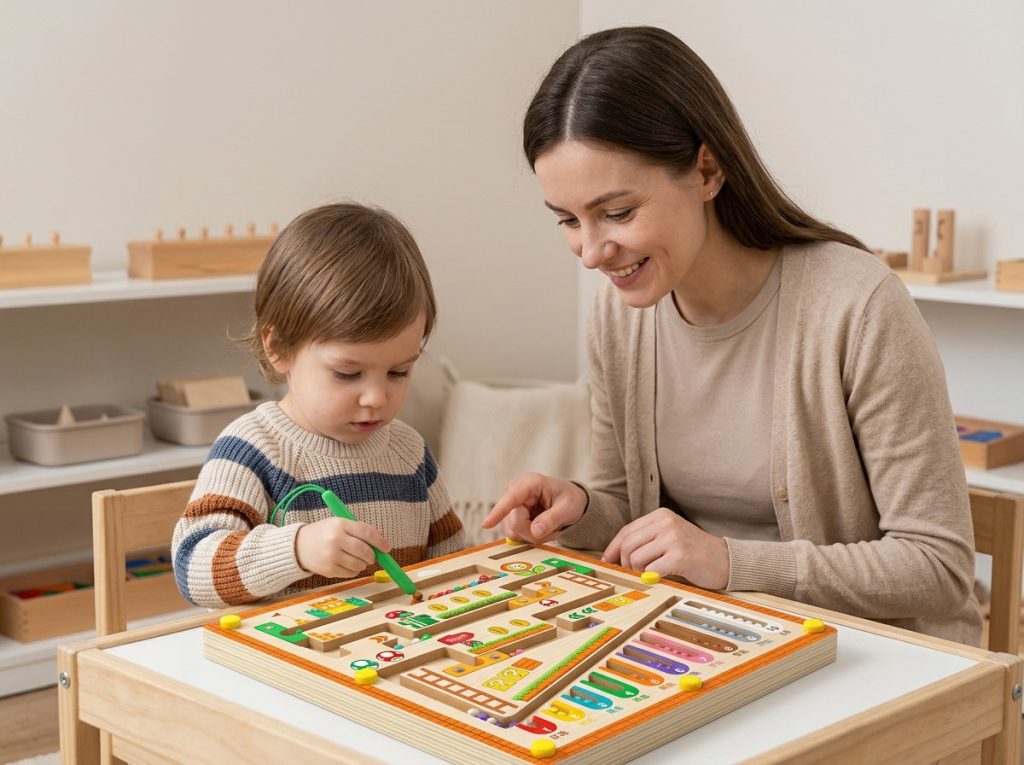
Although Maze Toys are primarily recognized for improving fine motor skills, their educational value extends far beyond physical development. Every movement requires children to observe, predict, evaluate, and adjust their actions before reaching the next step. This continuous process encourages active thinking while reinforcing the connection between movement and decision-making.
Researchers in early childhood education have found that manipulative learning experiences support the development of executive functioning skills, including attention control, working memory, and flexible thinking. A review published in Frontiers in Psychology also suggests that structured play involving physical manipulation can positively influence cognitive development because children remain actively engaged throughout the learning process.
Unlike activities that have only one correct answer, many Maze Toys encourage exploration. Children often discover alternative routes, slow down to solve more difficult sections, or try again after making mistakes. This trial-and-adjust approach helps them understand that progress comes through observation and persistence rather than speed alone.
As children become familiar with different maze patterns, they also begin recognizing sequences, identifying spatial relationships, and planning movements before acting. These experiences contribute to stronger problem-solving abilities that can later support mathematics, reading readiness, and other classroom activities.
Physical Movement and Cognitive Learning Work Together
The connection between movement and thinking has become an important topic in child development research. Developmental specialists generally agree that young children learn more effectively when they can physically interact with learning materials instead of simply watching demonstrations.
Maze Toys provide this opportunity by combining movement with decision-making. Every adjustment requires children to process visual information, predict outcomes, and control their hands accordingly. As a result, physical coordination and cognitive development progress together rather than independently.
This is one reason why Maze Toys are frequently paired with other Montessori learning materials, sensory play activities, and manipulative toys in classrooms designed to encourage independent exploration.
Design Features That Improve Maze Toys
The educational effectiveness of Maze Toys depends not only on the learning concept but also on thoughtful product design. A carefully engineered toy encourages smooth interaction, maintains children’s attention, and supports repeated use across different learning environments.
Professional buyers increasingly evaluate educational toys based on long-term usability instead of appearance alone. Durable construction, well-planned pathways, and comfortable manipulation all contribute to a better learning experience while reducing maintenance requirements in classrooms and childcare centers.
The following design considerations are commonly associated with high-quality Maze Toys.
| Design Consideration | Educational Benefit |
| Progressive pathway difficulty | Encourages continuous skill development as children’s abilities improve. |
| Smooth-moving beads or sliders | Supports uninterrupted play and more precise hand movements. |
| Stable construction | Allows children to focus on manipulation instead of stabilizing the toy. |
| Rounded edges and polished surfaces | Improves handling comfort during repeated classroom use. |
| Clearly organized maze layouts | Makes visual tracking easier while encouraging logical thinking. |
| Easy-to-maintain surfaces | Helps schools and daycare centers keep products clean during daily use. |
Rather than relying on decorative features, educators often select Maze Toys that remain engaging after repeated use. Products with balanced levels of challenge encourage children to return to the activity, allowing developmental benefits to accumulate through consistent practice.
From a manufacturing perspective, thoughtful design also contributes to product reliability. Smooth movement, consistent assembly quality, and durable construction help educational institutions maximize product lifespan while reducing replacement frequency. These practical advantages have become increasingly important as schools and learning centers look for educational resources that deliver long-term value.
Maze Toys vs. Other Fine Motor Toys
Many educational products contribute to fine motor development, but each category emphasizes different learning objectives. Understanding these differences helps educators, retailers, and distributors select products that complement one another rather than compete for the same purpose.
The following comparison illustrates how Maze Toys fit within a broader collection of educational resources.
| Toy Category | Primary Development Focus | Typical Learning Experience |
| Maze Toys | Hand-eye coordination, finger dexterity, motor planning | Guiding objects through structured pathways while solving movement challenges |
| Stacking Toys | Balance, spatial awareness, hand control | Building towers and experimenting with size and stability |
| Shape Sorters | Logical thinking, visual recognition | Matching objects to corresponding openings through trial and observation |
| Activity Cubes | Multi-skill development | Combining gears, mazes, spinners, and sorting activities in one product |
| Busy Boards | Practical life skills | Practicing everyday movements such as fastening, turning, and sliding components |
Each toy category contributes to child development in different ways, which is why many educational programs combine several types of learning materials within the same classroom. Rather than replacing stacking toys or shape sorters, Maze Toys complement them by providing continuous opportunities to practice controlled movement, visual tracking, and problem-solving.
This complementary role has also influenced purchasing decisions across educational markets. Retailers frequently develop coordinated collections that include wooden maze toys, bead mazes, sorting toys, and activity cubes, allowing schools and families to build balanced learning environments without relying on a single product type.
For educational brands, offering a diverse portfolio of educational toys also creates stronger merchandising opportunities. Customers are increasingly interested in products that work together to support different stages of development, making integrated product collections more attractive than individual standalone items.
Why Businesses Invest in Maze Toys
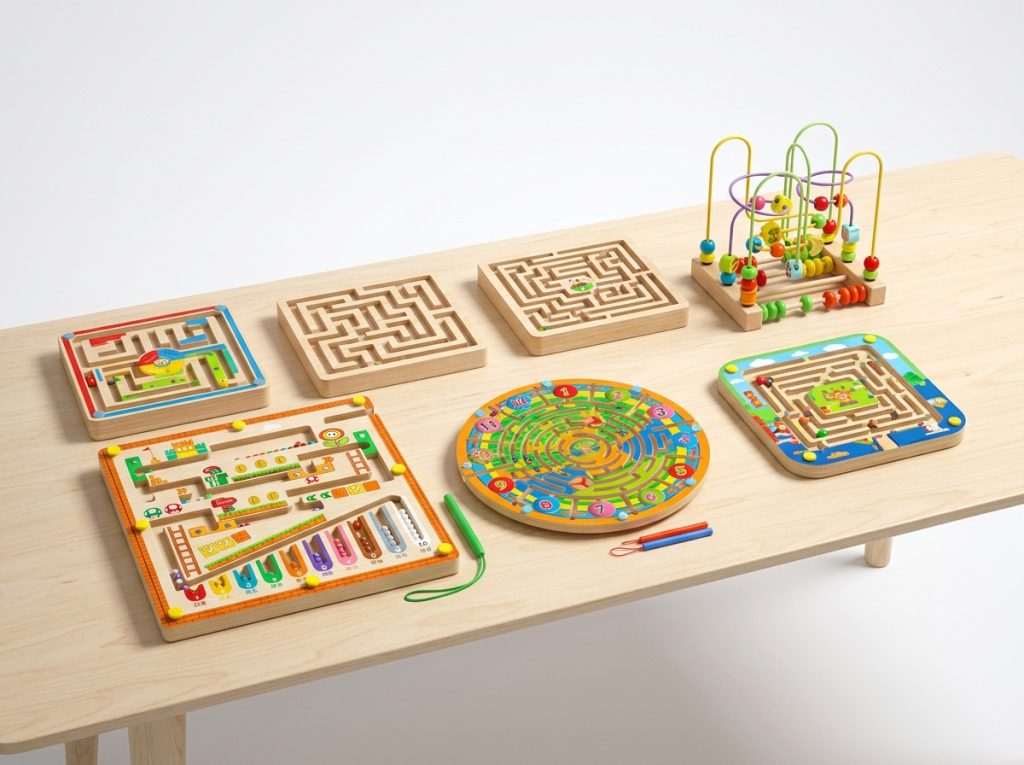
Demand for educational toys has remained resilient as schools, early learning centers, and families continue to prioritize hands-on learning experiences. Market research indicates that parents and educators increasingly value products that encourage creativity, independent exploration, and practical skill development alongside academic learning.
Within this trend, Maze Toys have maintained a stable position because they combine educational value with straightforward product design. Unlike technology-driven toys that may require software updates or batteries, Maze Toys provide a simple, durable learning experience that can be used repeatedly in classrooms, therapy settings, libraries, and homes.
For educational retailers, this versatility creates opportunities to serve multiple customer groups with a single product category. Preschools often purchase Maze Toys as part of classroom resource collections, while occupational therapy clinics use them to support individualized intervention programs. Museum gift shops, bookstores, and specialty toy retailers also include Maze Toys in their educational product ranges because they appeal to families seeking meaningful, screen-free activities.
From a manufacturing perspective, Maze Toys are well suited to OEM and private-label projects. Educational brands frequently look for partners that can support customized product development, branded packaging, multilingual instruction manuals, and coordinated product collections. These capabilities help businesses build a consistent brand identity while responding to the different requirements of international markets.
As educational purchasing becomes increasingly quality-focused, buyers also pay close attention to production consistency, packaging reliability, and long-term supply capacity. Suppliers that combine dependable manufacturing with responsive communication are often better positioned to establish lasting partnerships with distributors and educational organizations.
Factors Buyers Often Evaluate
Although every purchasing project is different, professional buyers commonly compare suppliers using several practical criteria.
| Evaluation Area | Why It Matters |
| Product consistency | Helps maintain quality across multiple production batches. |
| Customization capability | Supports OEM, ODM, and private-label product development. |
| Packaging flexibility | Meets the requirements of different retail and distribution channels. |
| Production capacity | Improves supply stability during seasonal demand. |
| Quality management | Reduces the likelihood of product defects and customer complaints. |
| Export experience | Simplifies communication and international logistics. |
Rather than focusing only on price, many distributors evaluate the overall value that a supplier can provide throughout the product lifecycle. Reliable delivery schedules, clear communication, and continuous product improvement often become key factors in long-term business relationships.
How to Choose a Reliable Maze Toy Manufacturer
Selecting a Maze Toy manufacturer involves more than comparing quotations. The right manufacturing partner should understand both product quality and the educational purpose behind the product.
Experienced suppliers typically begin product development by considering how children interact with the toy. Pathway design, component movement, structural stability, and overall usability all influence the learning experience. Manufacturers that regularly collaborate with educational brands are often better equipped to refine these details through product testing and customer feedback.
Transparency is another important consideration. Buyers generally benefit from working with manufacturers that provide clear product specifications, production timelines, and consistent quality documentation. This information helps reduce uncertainty during product development while supporting smoother communication throughout international projects.
Customization capabilities have also become increasingly valuable. Many educational brands seek products that reflect their own visual identity through customized colors, packaging, instruction manuals, or exclusive designs. Working with a manufacturer capable of supporting these requirements enables businesses to differentiate their product lines without compromising educational value.
Finally, long-term cooperation often depends on reliability rather than individual transactions. Manufacturers that invest in continuous product improvement, stable production processes, and responsive customer service are more likely to become trusted partners as product portfolios expand over time.
FAQs
At what age can children begin using Maze Toys?
The appropriate age depends on the design, component size, and level of complexity. Many Maze Toys are introduced during the preschool years, while more advanced maze designs are suitable for older children who are ready for greater coordination challenges. Buyers should always refer to the manufacturer’s recommended age range for each product.
How do Maze Toys improve hand-eye coordination?
Maze Toys require children to continuously match visual information with hand movements. As they guide beads or sliders through different pathways, they learn to adjust direction, speed, and pressure based on what they see, gradually improving coordination between vision and movement.
Are Maze Toys compatible with Montessori learning?
Many Maze Toys complement Montessori learning because they encourage independent exploration, repetition, and self-directed problem-solving. Although not every Maze Toy is designed specifically according to Montessori principles, many are successfully incorporated into Montessori-inspired classrooms as part of broader hands-on learning activities.
What is the difference between a bead maze and other Maze Toys?
A bead maze is one of the most recognizable types of Maze Toys, featuring beads that travel along fixed wire pathways. Other Maze Toys may use sliding blocks, magnetic pieces, rotating tracks, or interchangeable maze boards. Each design promotes similar developmental goals while offering different levels of challenge and interaction.
Conclusion
Maze Toys have become an established part of early childhood education because they combine purposeful movement with engaging problem-solving. Research from organizations such as the American Academy of Pediatrics and findings published in developmental psychology journals continue to highlight the importance of hands-on play in supporting fine motor development, cognitive growth, and school readiness.
Compared with many single-purpose learning products, Maze Toys encourage children to strengthen hand-eye coordination, finger dexterity, motor planning, and visual tracking through enjoyable, self-directed exploration. Their versatility also allows them to complement other educational resources, including stacking toys, activity cubes, shape sorters, and Montessori-inspired learning materials, creating richer learning environments for children at different developmental stages.
For businesses, Maze Toys represent more than a popular educational product. They reflect growing global demand for durable, screen-free learning solutions that deliver measurable educational value. Manufacturers that combine thoughtful product design with dependable production, flexible customization services, and a strong understanding of educational markets are better positioned to support distributors, retailers, and educational brands over the long term.
As interest in high-quality educational play continues to expand, investing in well-designed Maze Toys is not simply about adding another product to a catalog. It is an opportunity to support meaningful learning experiences while building lasting value for customers, partners, and the broader education market.