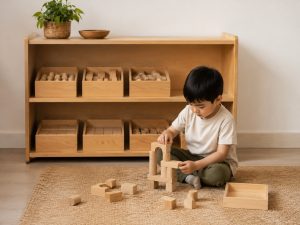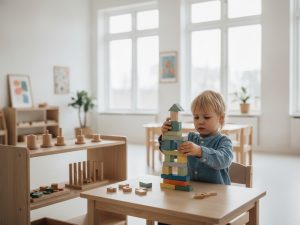
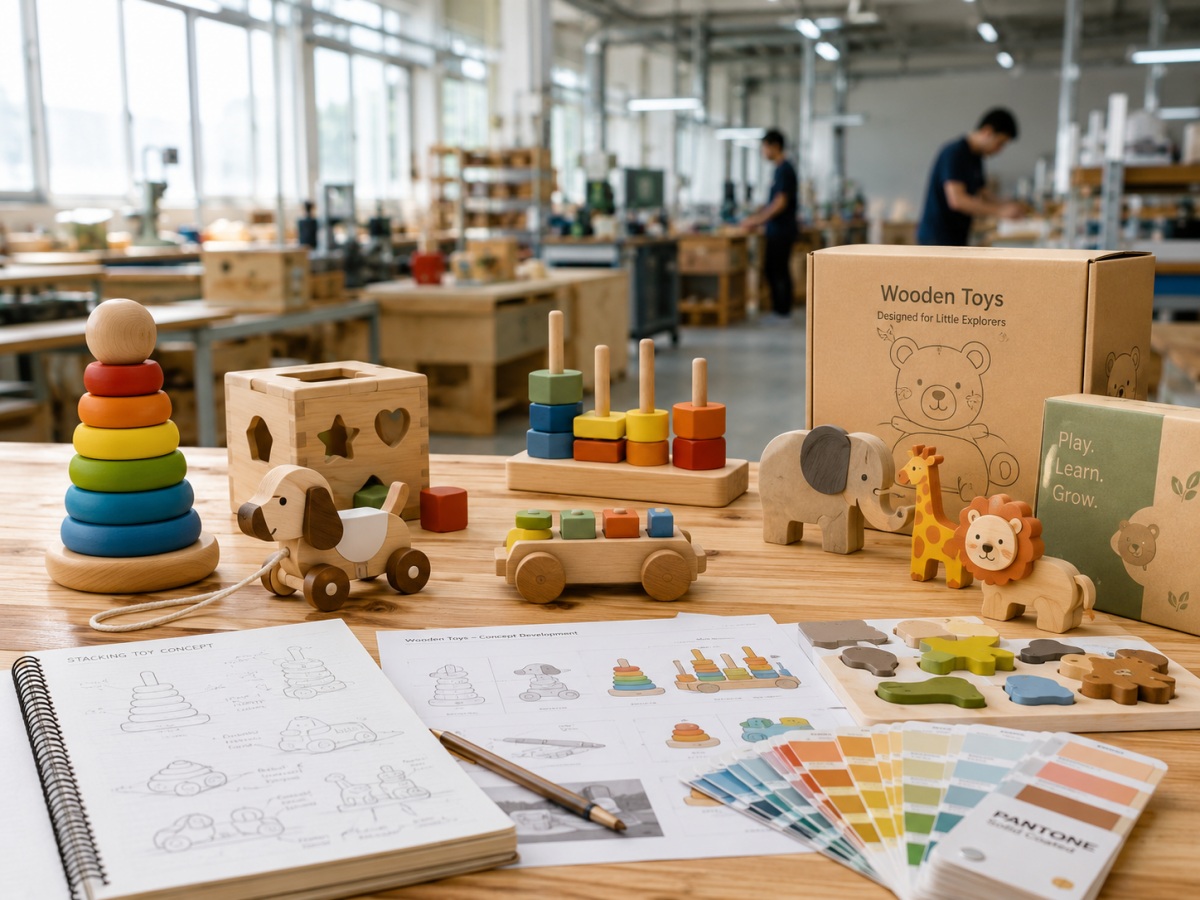
As competition in the toy industry becomes increasingly intense, brands are paying more attention to product differentiation and long-term brand value. This trend has made OEM Wooden Toys an attractive solution for importers, wholesalers, and private-label companies seeking exclusive products rather than competing solely on price.
Research shows that customized products often generate higher customer engagement and stronger brand recognition. In the wooden toy sector, demand for custom educational wooden toys, Montessori collections, and private label wooden toys has continued to expand across North America and Europe. As a result, many buyers are asking the same question: can OEM Wooden Toys be fully customized?
The answer is largely yes. However, the degree of customization depends on design capability, manufacturing technology, material selection, and compliance requirements. Understanding these factors helps businesses create products that better align with their target markets and brand positioning.
What Does OEM Wooden Toys Customization Include?
When discussing OEM Wooden Toys, many people initially think about logo printing or customized packaging. In reality, modern customization extends far beyond visual branding. Product structure, dimensions, colors, accessories, packaging solutions, and surface treatments can all be adjusted according to customer requirements.
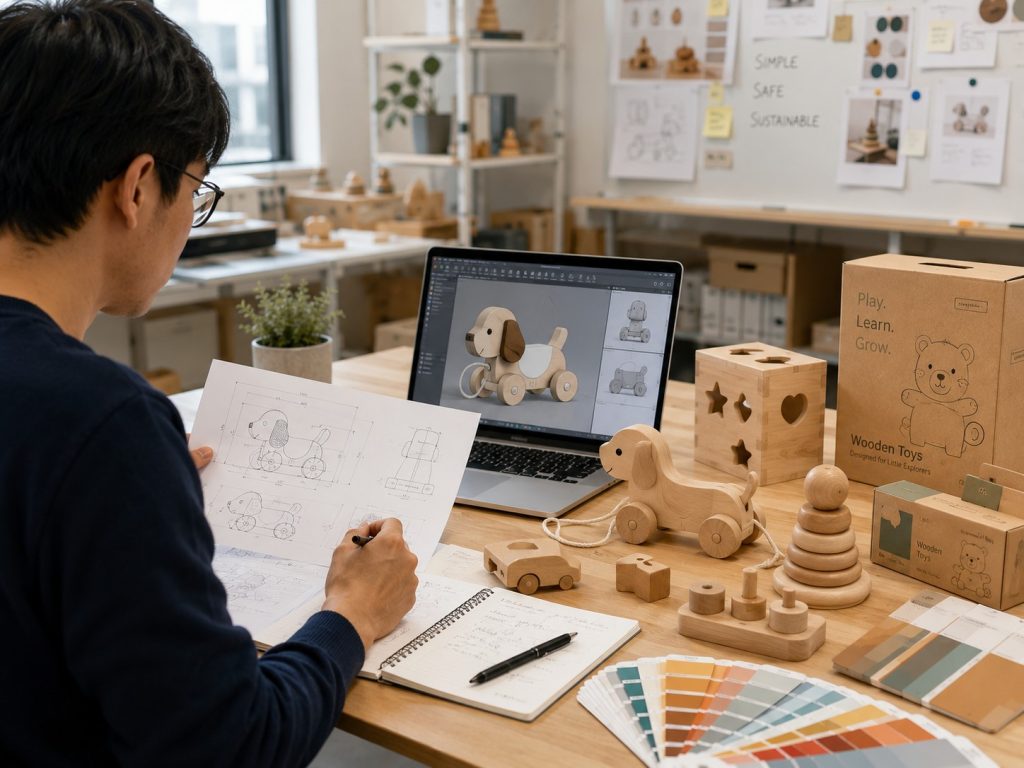
Customization Begins With Product Development
Some brands provide complete CAD drawings, while others start with reference photos or rough sketches. An experienced OEM wooden toy manufacturer can transform these ideas into prototypes and eventually into market-ready products.
Popular categories include Montessori wooden toys, wooden stacking toys, shape sorters, pull-along toys, and educational puzzle collections. Research indicates that exclusive designs often help brands reduce direct price competition and improve customer loyalty.
Color customization also plays an important role. Water-based coatings with VOC content below 5 g/L are commonly applied to achieve bright colors and smooth surfaces. Packaging options such as magnetic gift boxes, kraft cartons, instruction manuals, and QR code labels further strengthen brand identity.
According to industry studies, brands with exclusive product designs are more likely to maintain pricing advantages and strengthen customer loyalty.
Can OEM Wooden Toys Be Fully Customized?
From a technical perspective, OEM Wooden Toys can achieve a remarkably high level of customization. Industry data shows that manufacturers with integrated development and production systems are able to customize more than 90% of product elements, including materials, dimensions, printing methods, and packaging specifications.
Although the phrase “fully customized” sounds unlimited, practical considerations still exist. Mold structures, assembly requirements, and market regulations may affect certain details. Nevertheless, experienced suppliers are usually able to provide solutions that satisfy both functional and branding requirements.
| Customization Item | Available Options |
| Shape Design | Original drawings, samples, CAD files |
| Wood Species | Beech, pine, birch, rubber wood |
| Printing | UV printing, silk-screen printing, laser engraving |
| Color Scheme | Pantone color matching |
| Packaging | Gift boxes, cartons, window boxes |
| Accessories | Cloth bags, cards, manuals |
| Brand Identity | Logo engraving and labeling |
Research suggests that companies cooperating with capable OEM factories often experience shorter development cycles and greater flexibility when introducing new collections.
Typical MOQ and Lead Time for OEM Wooden Toys
MOQ requirements vary depending on product complexity and packaging specifications. For many custom OEM wooden toys projects, trial orders may start from 500 to 1,000 pieces. Mass production orders generally require 30 to 50 days, while sample development usually takes between seven and fifteen days.
Research shows that early sample verification helps reduce modification costs and improves production efficiency. For brands launching new collections, a clear sampling process often contributes to smoother project management.
OEM Wooden Toys Manufacturing Process From Idea to Production
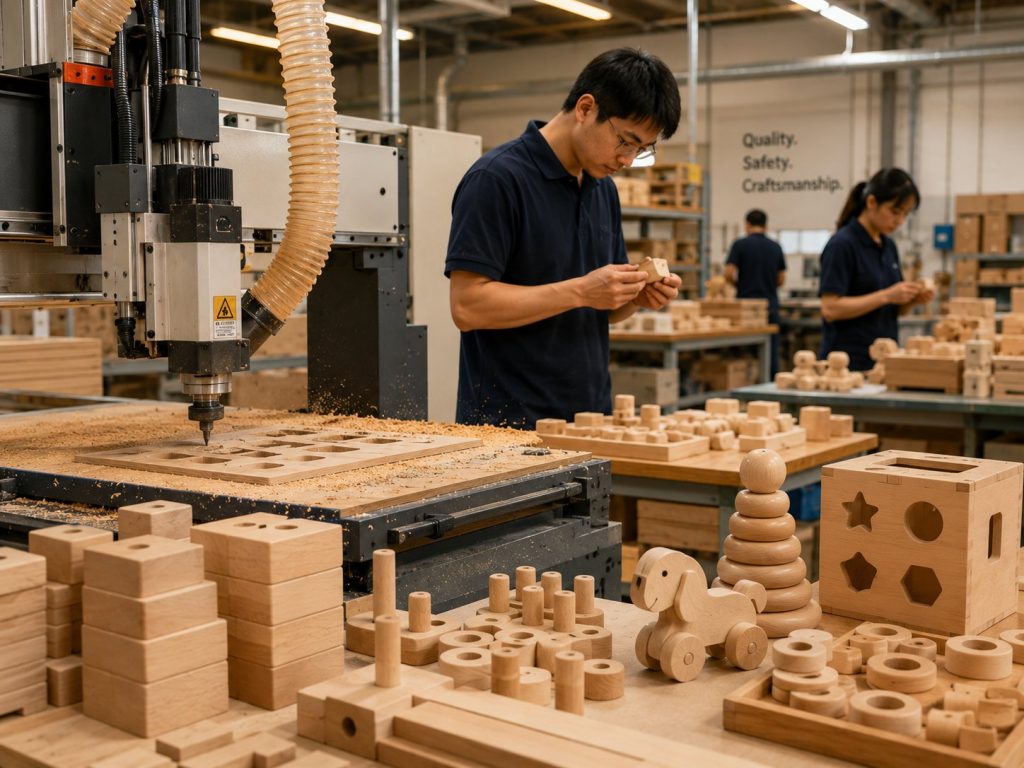
Turning an idea into a finished product involves a systematic manufacturing process. After receiving concepts or reference samples, engineering teams prepare technical drawings and create prototypes for evaluation. Once the sample is approved, production enters a standardized sequence involving wood cutting, CNC machining, sanding, painting, printing, assembly, and packaging.
For example, beech wood with a density of approximately 720 kg/m³ is widely used for educational wooden toys because of its dimensional stability and resistance to wear. Moisture content is commonly maintained between 8% and 12%, helping reduce the possibility of cracking and deformation during storage and transportation.
Research indicates that standardized production systems contribute to higher consistency and lower defect rates, particularly in large-volume orders.
Supporting Brands Through End-to-End Development
Many professional manufacturers provide more than manufacturing services. In-house design teams, prototype development capabilities, CNC machining equipment, and quality inspection procedures allow customers to simplify product development and shorten time to market.
Data shows that integrated production systems often improve communication efficiency and reduce the risks associated with outsourced development. These advantages are especially valuable for companies seeking private label wooden toys or custom educational wooden toys.
Reliable manufacturing systems often have a greater impact on long-term cooperation than simply offering lower prices.
Why OEM Wooden Toys Are Popular Among Private Label Brands Worldwide
Market research indicates that consumers are increasingly attracted to products with distinctive themes and educational value. Consequently, retailers and distributors are placing greater emphasis on exclusive product lines instead of generic alternatives.
Meeting Changing Consumer Preferences
Montessori-inspired collections, STEM learning toys, and personalized educational products have experienced steady growth in recent years. These trends encourage brands to develop unique collections that better reflect their market positioning.
Another advantage of OEM Wooden Toys is production flexibility. Businesses can adjust order quantities according to demand and avoid excessive inventory pressure. Studies suggest that personalized products often generate stronger emotional connections with consumers and encourage repeat purchases.
How to Choose an OEM Wooden Toys Manufacturer for Your Brand
Selecting a manufacturing partner involves much more than comparing quotations. Buyers often focus on engineering capability, communication efficiency, production capacity, and quality management systems.
| Evaluation Factor | Why It Matters |
| Design Capability | Supports original concepts |
| Sampling Speed | Accelerates product launch |
| Production Capacity | Ensures delivery schedules |
| Quality Control | Improves consistency |
| Communication Efficiency | Reduces misunderstandings |
| Packaging Solutions | Enhances brand image |
Material Traceability and Testing Standards
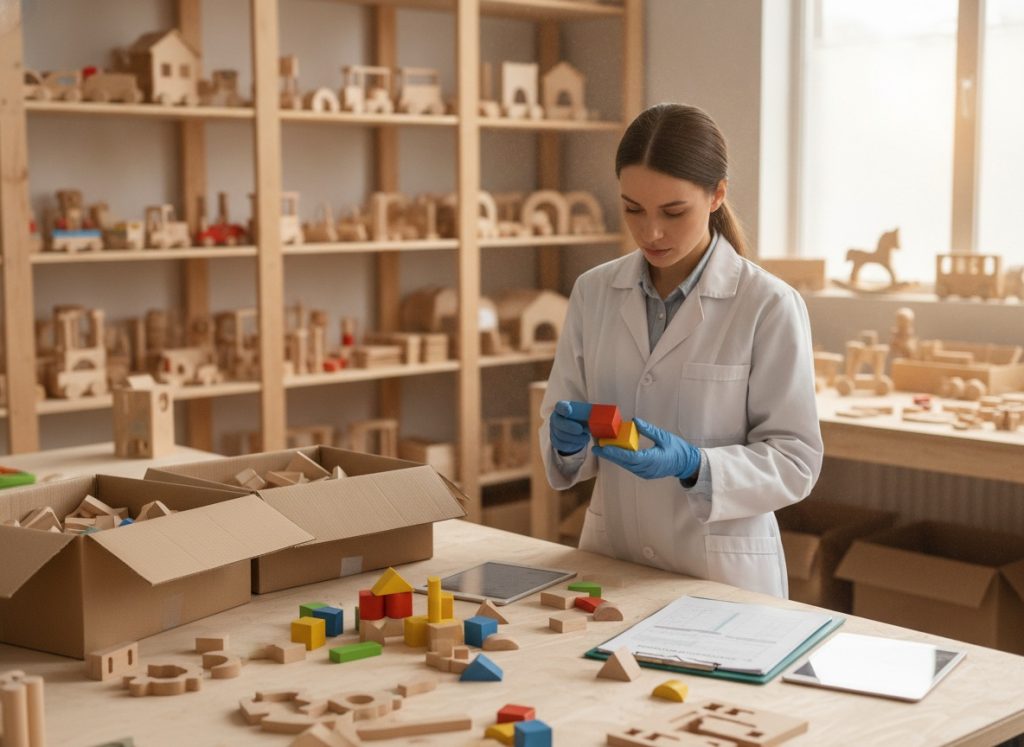
Many established suppliers use FSC-certified wood sources and implement moisture management systems to maintain product stability. Independent laboratory testing commonly follows EN71 Part 1, Part 2, and Part 3 requirements, along with ASTM F963 and CPSIA regulations for export markets.
Rather than relying on broad statements, these standards focus on specific aspects such as mechanical performance and chemical migration limits. Research indicates that manufacturers with comprehensive quality systems are better equipped to support international brands and reduce compliance risks.
Future Trends in OEM Wooden Toys Customization
Research suggests that consumer preferences are gradually shifting toward products that combine educational value with sustainable packaging solutions. Demand for Montessori wooden toys, wooden puzzles for toddlers, and personalized learning products continues to increase in major international markets.
Advances in laser engraving, digital printing, and flexible packaging technologies are creating new opportunities for brands seeking differentiation. Data from the toy industry indicates that custom educational wooden toys remain one of the fastest-growing segments worldwide.
These developments suggest that OEM Wooden Toys are evolving from traditional manufacturing services into strategic tools for brand building and market expansion.
Frequently Asked Questions About OEM Wooden Toys
What Is the MOQ for OEM Wooden Toys?
MOQ requirements depend on product structure, packaging complexity, and manufacturing processes. In many cases, initial orders begin at 500 to 1,000 pieces. Products with shared molds or standard packaging may support lower quantities, while highly customized designs often require larger volumes.
How Long Does OEM Wooden Toys Sampling Take?
Sample development generally requires seven to fifteen days. Products involving complicated structures or special printing methods may require additional time. Research indicates that sample approval significantly reduces the risk of production errors and improves delivery efficiency.
Which Wood Species Are Commonly Used in OEM Wooden Toys?
Beech, pine, birch, and rubber wood are among the most frequently used materials. Beech wood, with a density of around 720 kg/m³, is particularly valued for its durability and dimensional stability. Different wood species are selected according to product requirements and market positioning.
Can OEM Wooden Toys Include Custom Packaging?
Yes. Most OEM wooden toy manufacturers provide customized packaging solutions, including color boxes, gift boxes, instruction manuals, barcode labels, and branded inserts. Packaging customization helps improve product presentation and strengthen brand identity.
Conclusion
OEM Wooden Toys can be customized to a remarkably high degree, covering product structure, materials, colors, packaging, and branding elements. Although technical limitations and regulatory requirements may influence certain details, experienced manufacturers are capable of transforming concepts into commercially viable products.
Research and industry data consistently show that customized wooden toys provide stronger brand differentiation and greater flexibility in responding to changing market trends. Whether developing Montessori collections, educational puzzles, or private-label product lines, partnering with an experienced OEM Wooden Toys manufacturer can help brands shorten development cycles and bring differentiated products to market more efficiently.
As competition continues to intensify, the evidence suggests that OEM Wooden Toys offer far more than manufacturing services. They provide an effective pathway for building distinctive brands and creating sustainable growth opportunities in the global toy industry.