

Growing consumer awareness and increasingly stringent regulations have made compliance a critical part of the toy industry. For brands, importers, and distributors targeting Europe and North America, selecting a CE CPC Certified Toy Manufacturer involves much more than obtaining certificates. It affects product quality, market access, customs clearance, and ultimately the reputation of the brand itself.
According to data released by the U.S. Consumer Product Safety Commission (CPSC), labeling deficiencies and non-compliance with safety requirements remain among the common causes of toy recalls. Industry reports also indicate that integrating compliance considerations early in product development can help reduce redesign costs and minimize shipment delays.
As a result, many companies now view cooperation with a CE CPC Certified Toy Manufacturer as a long-term investment rather than simply a regulatory necessity.
Benefits of Working With a CE CPC Certified Toy Manufacturer
A CE CPC Certified Toy Manufacturer is capable of supporting products intended for both European and American markets. CE marking mainly follows the requirements of EN71 standards and the EU Toy Safety Directive, while the U.S. market relies on ASTM F963 and CPSIA regulations supported by Children’s Product Certificates.
For companies involved in OEM toy manufacturing or private label toy development, having one supplier that understands both systems can simplify the entire process. Instead of arranging additional testing after production, compliance requirements are considered from the beginning, helping products reach the market more efficiently.
Research indicates that manufacturers with established documentation systems and traceability procedures generally experience fewer recall-related issues and smoother customs clearance.
Key Regulations Behind CE and CPC Requirements
| Category | Europe | United States |
| Mechanical Safety | EN71-1 | ASTM F963 |
| Flammability | EN71-2 | ASTM F963 |
| Chemical Requirements | EN71-3 | CPSIA |
| Product Labeling | CE Marking | Tracking Labels |
| Documentation | Declaration of Conformity | Children’s Product Certificate |
Studies suggest that complete technical documentation and third-party laboratory testing contribute to greater supply chain stability and lower compliance risks.
How a CE CPC Certified Toy Manufacturer Ensures Product Compliance
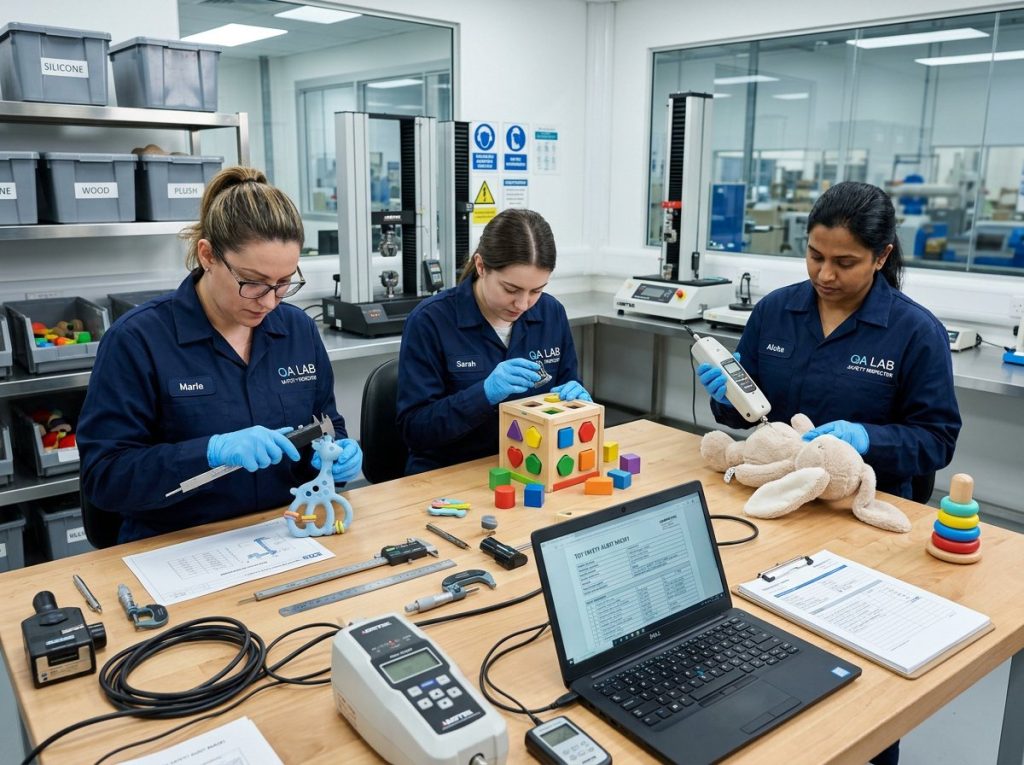
Compliance extends far beyond obtaining laboratory reports. An experienced CE CPC Certified Toy Manufacturer generally establishes quality control procedures throughout material sourcing, production, assembly, and packaging.
For example, silicone teething toys developed for infants are commonly tested to ensure lead content remains below 100 ppm and phthalate concentrations stay below 0.1% under CPSIA requirements. Wooden educational toys intended for European markets are often coated with water-based finishes and evaluated according to EN71-3 migration limits. Plush toys designed for children under three years old may undergo seam-strength assessments and small-parts testing based on ASTM F963 standards.
These measurable parameters provide buyers with a more reliable reference than broad statements about quality or safety.
Why Documentation Matters More Than Ever
Professional buyers are paying closer attention to supporting documents. Updated laboratory reports, technical files, and traceability records have become increasingly important when products enter large retail chains or online marketplaces.
Industry data shows that manufacturers with mature quality systems are often associated with better delivery performance and fewer after-sales disputes.
In many cases, documentation management reflects a supplier’s professionalism more accurately than price alone.
What to Look for in a CE CPC Certified Toy Manufacturer
Certificates represent only one aspect of supplier evaluation. Experienced buyers tend to examine overall operational capability and long-term reliability.
The following factors are commonly taken into consideration:
- Experience with EN71 testing, ASTM F963 compliance, and CPSIA requirements;
- Capability to support OEM, ODM, and private label toy projects;
- Production stability and batch traceability systems;
- Familiarity with Amazon FBA and retail compliance procedures;
- Cooperation with recognized third-party laboratories.
Manufacturers capable of providing complete technical documentation and maintaining stable production schedules are often better positioned to support wholesale toy manufacturing and bulk toy production projects.
Questions Buyers Frequently Raise
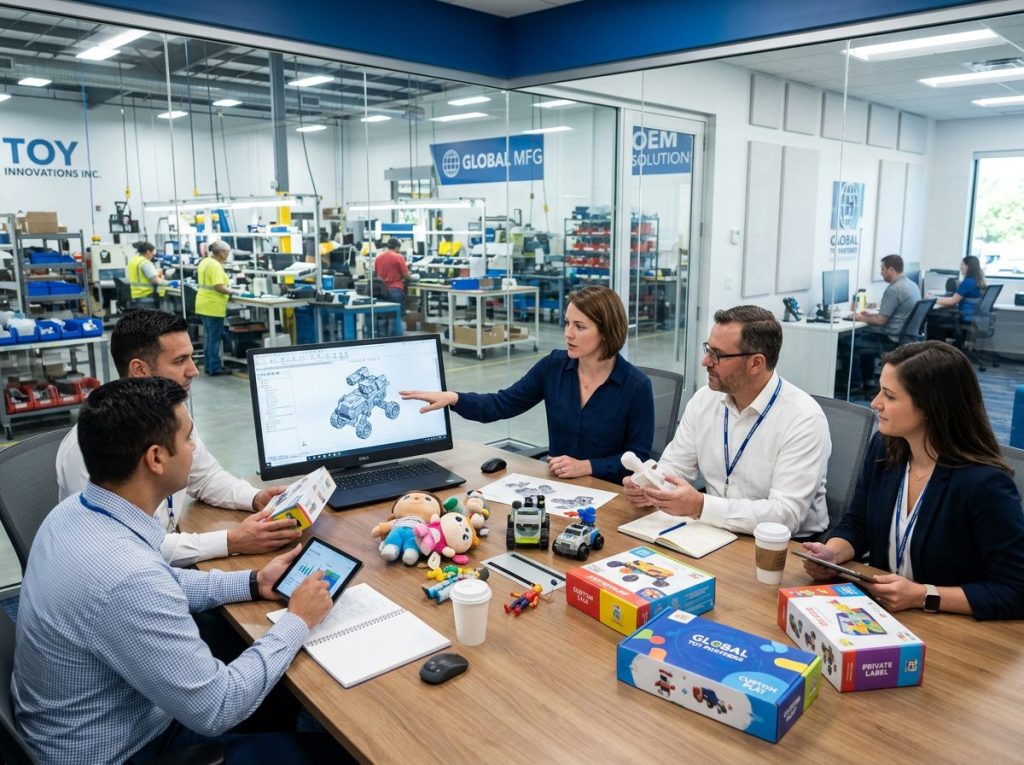
During the supplier selection process, discussions usually focus on practical details rather than certificates alone. Buyers may ask how frequently test reports are updated, which laboratories perform the testing, and whether modifications to packaging require additional verification.
These conversations often reveal the manufacturer’s understanding of international toy safety regulations and its ability to support long-term cooperation.
Comparing Certified and Non-Certified Toy Suppliers
When comparing a CE CPC Certified Toy Manufacturer with suppliers that lack established compliance systems, the difference extends beyond certification itself. Price is naturally an important factor, but experienced importers often evaluate the overall cost associated with compliance, logistics, and potential risks.
| Factor | Certified Manufacturer | Non-Certified Supplier |
| Documentation | Complete and traceable | May vary |
| Market Readiness | Suitable for Europe and the U.S. | Additional testing may be required |
| Compliance Support | Established procedures | Depends on experience |
| Product Traceability | Available | Limited |
| Recall Risk | Comparatively lower | Relatively higher |
Although some non-certified suppliers may offer lower initial prices, many brands place greater emphasis on supply chain stability and regulatory confidence when expanding into overseas markets.
Industry observations suggest that addressing compliance requirements early is often more cost-effective than solving problems after products have already been shipped.
Why More Brands Choose a CE CPC Certified Toy Manufacturer
Consumer expectations regarding children’s product safety continue to rise. At the same time, retailers and e-commerce platforms are implementing stricter requirements for documentation and traceability.
Research indicates that brands capable of providing transparent compliance records are more likely to gain trust from distributors and retail partners. Consequently, many companies now regard a CE CPC Certified Toy Manufacturer as a strategic partner rather than merely a production facility.
This trend is particularly evident among businesses developing custom toy products for Europe and the United States. Whether the project involves educational toys, plush toys, silicone baby products, or promotional toys, manufacturers with established compliance systems often provide greater confidence throughout the product lifecycle.
Compliance Capability Is Becoming a Competitive Advantage
Beyond meeting regulatory requirements, a reliable international toy supplier helps reduce operational uncertainty. Consistent quality control, documented testing procedures, and traceability systems contribute to stronger relationships with retailers and end consumers.
As global regulations continue to evolve, compliance capability itself is becoming an important competitive advantage.
Frequently Asked Questions
Do Toys Sold in the United States Require CPC Certification?
Yes. Children’s products entering the U.S. market are generally required to comply with CPSIA regulations and be accompanied by a Children’s Product Certificate.
Is CE Certification Enough for Exporting Toys Worldwide?
Not necessarily. CE marking mainly applies to the European market, while products entering the United States are generally expected to comply with ASTM F963 requirements and be supported by CPC documentation.
Can a CE CPC Certified Toy Manufacturer Support OEM and Private Label Projects?
Many manufacturers provide OEM, ODM, and private label toy manufacturing services while assisting customers with testing procedures and compliance documentation.
Which Toy Safety Standards Are Commonly Used?
EN71, ASTM F963, and CPSIA are among the most widely recognized regulations for products sold in Europe and North America.
Conclusion
Selecting a CE CPC Certified Toy Manufacturer is not simply about satisfying regulatory requirements. It is also about building a reliable supply chain and creating a stronger foundation for long-term growth.
Evidence from industry practices suggests that manufacturers with established CE and CPC capabilities are generally better equipped to support OEM, ODM, and private label projects while helping brands navigate increasingly complex international regulations.
For companies planning to introduce new products to Europe and North America, discussing testing requirements and compliance expectations with manufacturers during the early stages of development can help avoid unnecessary delays and contribute to a smoother market entry process. In many cases, this proactive approach provides long-term benefits that extend well beyond certification itself.