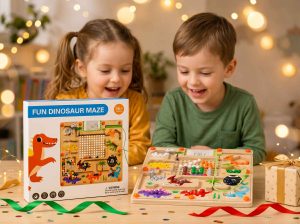

Parents selecting toys for classroom use discover that a brightly colored puzzle set donated by well-meaning families triggers immediate concerns—the strong chemical odor, tacky surface texture, and absence of safety markings signal potential toxic material exposure that contradicts institutional safety protocols. Teachers report that approximately 40% of toys brought from home for show-and-tell raise safety questions, while childcare directors attempting to build compliant toy inventories face overwhelming inconsistency in labeling, vague claims without verification, and regulatory gaps that allow hazardous materials in products marketed directly to children.
Research from the American Academy of Pediatrics indicates that young children’s hand-to-mouth behavior creates 3-6 daily exposure events per toy during active play, amplifying risks from materials containing lead, phthalates, or unregulated chemical additives. Understanding which certifications provide real verification for non-toxic toys, which material categories carry inherent risks, and how to evaluate safety claims determines whether toy selections protect children’s health or inadvertently introduce chemical exposures during critical developmental windows.
Why Non-Toxic Toys Matter: Health Risks From Common Toy Materials
Chemical exposure through toys creates measurable health risks that conventional safety testing doesn’t always catch, particularly for young children whose developing systems show heightened vulnerability to toxic compounds. Identifying non-toxic toys requires understanding specific health threats from common materials.
Heavy Metal Contamination: Lead, Cadmium, and Neurological Impact
Lead persists as the most documented toy safety concern despite decades of regulation. The Consumer Product Safety Commission recalled over 25 million toys for lead violations between 2007-2023, with contamination sources including paint pigments, plastic stabilizers, and metal alloys in decorative components.
Children absorbing lead through hand-to-mouth contact during play face irreversible neurological damage affecting cognitive development, attention regulation, and learning capacity. Cadmium appears in cheap metal jewelry components, plastic pigments providing bright colors, and metal alloys used in toy vehicles and figures. The metal accumulates in kidneys and bones, creating long-term organ damage risks from repeated low-level exposure.
For childcare centers serving multiple children, heavy metal exposure compounds across toy inventories. A classroom with 50 toys shows measurable lead contamination in 3-7 items on average based on independent testing, meaning every child encounters potential exposure multiple times weekly through normal toy rotation.
Phthalates: Endocrine Disruption Through Plasticizer Exposure
Phthalates function as plasticizers making rigid plastics flexible—the compounds that transform hard PVC into soft squeezable toys, teething rings, and bath toys. Research published in Environmental Health Perspectives (2023) documented that children with highest phthalate exposure showed measurable endocrine disruption markers affecting hormonal development, reproductive system formation, and metabolic regulation.
The chemicals leach from plastic during use, particularly when toys contact saliva during mouthing or when heat exposure accelerates chemical migration. Babies and toddlers face highest exposure due to extended oral exploration behavior—infants mouth toys 20-30 minutes per hour during active play periods, creating sustained phthalate contact.
Federal regulations ban certain phthalates in toys intended for children under three, but enforcement gaps and product misclassification create persistent exposure risks. Selecting verified non-toxic toys eliminates these exposure pathways entirely.
VOCs and Off-Gassing: Respiratory Chemical Exposure
Volatile organic compounds off-gas from synthetic materials, adhesives, finishes, and packaging—the “new toy smell” that parents often ignore signals active chemical release into environments where children play and breathe. Formaldehyde, benzene, toluene, and styrene commonly appear in toy off-gassing tests, with concentrations highest during first weeks after manufacturing when chemical curing remains incomplete.
Children playing in enclosed spaces (bedrooms, playrooms, vehicles) with multiple off-gassing toys experience cumulative exposure exceeding recommended air quality thresholds. For institutional buyers, off-gassing creates liability concerns beyond individual health impacts. Childcare facilities with poor ventilation concentrating VOCs from new toy acquisitions face potential regulatory violations under indoor air quality standards.
Identifying Non-Toxic Toys: Verification Standards That Confirm Safety
Non-toxic toy identification requires recognizing which third-party certifications provide genuine verification versus which claims lack substantive meaning.
| Certification | Testing Scope | Regulatory Basis | Verification Value |
|---|---|---|---|
| ASTM F963 | Mechanical hazards, flammability, heavy metals (lead, cadmium, mercury, arsenic, antimony, barium, selenium, chromium) | Mandatory US federal standard | Baseline safety compliance; focuses on acute hazards but limited chemical screening |
| CPSIA Compliance | Lead content limits (<100 ppm), phthalate restrictions (DEHP, DBP, BBP, DINP, DIBP, DPENP, DHEXP, DCHP) | Federal law requiring third-party testing | Strong legal enforcement; requires CPC (Children’s Product Certificate) documentation |
| EN71 (European) | Mechanical/physical properties, flammability, migration of certain elements, expanded chemical restrictions | EU toy safety directive | More comprehensive chemical testing than US standards; particularly EN71-3 for migration |
| OEKO-TEX Standard 100 | 1000+ harmful substances including pesticides, heavy metals, formaldehyde, extractable metals, allergenic dyes | Independent textile certification | Strictest textile safety standard; tests beyond regulatory minimums |

CPSIA Compliance and CPC Documentation: Legal Verification Requirements
The Consumer Product Safety Improvement Act (2008) established mandatory third-party testing for children’s products, requiring manufacturers to provide Children’s Product Certificates documenting compliance. CPC documents must specify product identification, applicable safety regulations tested, testing laboratory accreditation, and confirmation that products meet all requirements.
Genuine non-toxic toys always provide CPC documentation upon request—manufacturers unable or unwilling to supply certificates signal potential compliance gaps or untested products. For institutional procurement, requiring CPC documentation as qualification criteria eliminates unverified products while creating audit-ready compliance records.
Material-Specific Certifications: GOTS for Textiles, FSC for Wood
Fabric toys carry unique contamination risks from pesticide residues, synthetic dyes, and finishing treatments. Global Organic Textile Standard (GOTS) certification verifies organic fiber production without synthetic pesticides, restricts dye and finish chemistry, requires wastewater treatment, and prohibits hazardous chemical inputs throughout manufacturing.
Wooden toys achieve non-toxic status through material sourcing and finish selection rather than inherent wood safety. FSC (Forest Stewardship Council) certification confirms sustainable wood sourcing but doesn’t address finish toxicity. Non-toxic toys combine FSC certification with food-grade finish specifications (oils meeting FDA food-contact standards or EN71-3 saliva/sweat resistance testing).
Third-Party Testing Organizations: Independent Verification
Manufacturer self-testing creates inherent conflict of interest—companies evaluating their own products lack independence required for reliable safety verification. Third-party testing through accredited laboratories (Intertek, SGS, TÜV Rheinland, Bureau Veritas) provides independent confirmation that products meet specified safety standards.
Products displaying third-party testing organization marks underwent external safety evaluation rather than relying on manufacturer internal testing alone. For buyers prioritizing safety assurance, confirming that CPC documentation cites recognized third-party testing laboratories adds verification layer beyond minimum legal compliance.
Practical Identification Methods: Evaluating Non-Toxic Toys Without Laboratory Testing
Parents and educators need field-applicable identification strategies for assessing toys before purchase or when evaluating items already in use.
Visual and Sensory Red Flags Indicating Potential Toxicity
Strong chemical odors signal active off-gassing from synthetic materials, adhesives, or finishes. Non-toxic toys made from natural materials (solid wood, natural rubber, organic cotton) and finished with food-grade oils emit minimal odor—any strong “plastic” or “chemical” smell indicates compounds volatilizing into air that children breathe during play.
Surface texture provides additional clues. Toys with tacky, oily, or waxy surface feel may contain plasticizers or unstable additives migrating to surfaces. Powdery residues on brightly colored toys sometimes indicate pigment formulations using heavy metal compounds. Paint or finish that transfers to hands during handling suggests coating instability potentially releasing compounds through skin contact or ingestion.
Unmarked or minimally labeled products warrant immediate suspicion. Legitimate non-toxic toys display manufacturer identification, country of origin, material composition, applicable safety standards, and age recommendations. Products lacking this basic information often bypass regulatory compliance intentionally.

Material Category Risk Assessment: Highest to Lowest Concern
Different material categories carry varying baseline risks before considering specific product quality. Soft vinyl and PVC toys (particularly those manufactured before 2018 or imported from countries with weak regulations) show highest phthalate contamination probability. The plasticizer compounds constitute 10-40% of material weight in flexible vinyl, creating massive exposure potential through normal mouthing behavior.
Brightly colored painted toys, particularly those with enamel or glossy finishes, present elevated heavy metal risks. Red, yellow, and orange pigments historically relied on lead and cadmium for color intensity. Products manufactured in countries without equivalent safety standards show 15-20 times higher heavy metal violation rates compared to products from manufacturers subject to strict oversight.
Natural material toys (solid wood without paint, organic cotton, natural rubber) carry lowest baseline risk when properly finished. The materials themselves contain no synthetic additives, and when combined with food-grade finishes or left unfinished, they eliminate most chemical exposure pathways. This material hierarchy helps parents and educators identify non-toxic toys effectively.
Age and Source Screening: When Extra Caution Applies
Toys manufactured before 2008 predate current lead and phthalate restrictions, making older toys handed down through families or purchased secondhand significantly riskier than current production. Testing of vintage and secondhand toys shows violation rates 30-50% higher than contemporary products, with contamination severity often exceeding current limits by orders of magnitude.
Toys from unknown manufacturers, products purchased through informal channels (flea markets, unverified online sellers, street vendors), and items lacking clear labeling all indicate elevated risk requiring extra verification before child contact. For institutional buyers, establishing vendor qualification requirements (registered US businesses, CPC provision, third-party testing documentation) creates defensible screening that blocks highest-risk products before purchase consideration.
Selection Strategies: Building Collections of Non-Toxic Toys
Strategic material prioritization and vendor selection creates toy inventories minimizing exposure risks while maintaining developmental appropriateness and play value.
Material Hierarchy: Prioritizing Lowest-Risk Options
Solid wood toys finished with food-grade oils or left unfinished provide lowest chemical exposure risk across all toy categories. The material contains no synthetic compounds, requires no plasticizers, and when finished appropriately presents no leachable chemicals during normal use including mouthing.
Natural rubber (harvested from Hevea brasiliensis trees rather than synthesized from petroleum) offers flexibility without phthalates for balls, teethers, and soft toys. Products specifying “100% natural rubber” or “pure rubber from rubber trees” deliver safety advantages over vague “rubber” claims that may indicate synthetic compounds.
Organic cotton and wool provide textile safety for dolls, stuffed toys, and pretend play items. GOTS certification confirms both organic fiber production and safe processing chemistry. Wool offers natural flame resistance without chemical treatments, while organic cotton eliminates pesticide residues present in conventional textile production.
Stainless steel appears in high-quality kitchen play sets, vehicles, and construction toys where metal properties serve functional purposes. The material contains no coatings to chip or degrade, requires no plasticizers, and withstands aggressive play and cleaning without releasing compounds. These material priorities form the foundation for identifying genuine non-toxic toys.

Vendor and Brand Selection: Prioritizing Transparency
Manufacturers committed to producing non-toxic toys provide detailed material specifications, finish composition, and certification documentation proactively rather than only upon request. Brand websites listing specific safety standards met, naming testing laboratories used, and explaining material sourcing demonstrate accountability beyond minimum compliance.
Companies focusing exclusively or primarily on children’s products generally invest more heavily in safety compliance than businesses for whom toys represent minor product lines. For institutional purchasing, developing approved vendor lists based on documented compliance history, transparent communication, and willingness to provide certificates creates efficient procurement while reducing safety research burden.
Quantity Versus Quality: Investment Prioritization
Fewer higher-quality non-toxic toys deliver superior safety and developmental outcomes compared to large quantities of cheaper conventional alternatives. A $60 wooden block set meeting all safety standards and lasting 8-10 years provides better risk-adjusted value than six $10 plastic sets with unknown material composition requiring replacement every 18 months.
The calculation compounds in institutional settings where single toys serve dozens of children. Premium non-toxic toys costing $45 but serving 50 children over 5 years creates per-child cost of $0.18 annually while eliminating exposure risks across all users.
For budget-constrained buyers, strategic prioritization focuses investments on toy categories with highest exposure risk—items children mouth extensively (teethers, bath toys, infant toys), items used in enclosed spaces (bedroom toys, car toys), and items seeing longest sustained contact (comfort objects, sleep toys).
Limitations and Realistic Boundaries in Safe Toy Selection
Perfect safety remains unattainable, and practical constraints require acknowledging tradeoffs rather than pursuing impossible standards when selecting non-toxic toys.
Regulatory gaps leave categories unprotected. Current safety standards focus on acute toxicity and known hazardous compounds but don’t address emerging concerns—PFAS, microplastics, and novel chemical compounds lacking toxicity data. Products meeting all current standards may contain materials later recognized as hazardous once research establishes health impacts.
Performance tradeoffs affect specialized applications. Some functional requirements genuinely benefit from synthetic materials—waterproof bath toys require plastic construction, transparent materials enabling visual exploration have no natural equivalent. Non-toxic toy selection works best for traditional play categories where natural materials perform equally or better, while accepting that specialized applications may require synthetic materials with careful sourcing and certification verification.
Price barriers limit accessibility. Premium materials, rigorous testing, and transparent supply chains create costs not all families or programs can absorb. Practical safety improvement comes through strategic prioritization—focusing resources on highest-risk categories, combining new non-toxic toy acquisitions with careful screening of existing inventories, and phasing improvements over time.
Secondhand toys create verification challenges. Vintage toys, hand-me-downs, and thrift store finds offer sustainability and affordability benefits but lack verification documentation. Realistic approaches accept secondhand natural material toys (solid wood blocks, metal vehicles) from known manufacturers while avoiding high-risk categories (painted items, soft plastic, vinyl, unknown manufacturers) where contamination probability justifies caution.
Conclusion
Non-toxic toys eliminate exposure to heavy metals affecting neurological development, phthalates disrupting endocrine function, and VOCs contributing to respiratory chemical burden. Young children’s hand-to-mouth behavior creating 3-6 daily exposure events per toy during active play amplifies risks during critical developmental windows.
Identifying genuine non-toxic toys requires third-party certification verification rather than accepting marketing claims. CPSIA compliance with CPC documentation provides legally mandated baseline safety, while GOTS for textiles, FSC plus food-grade finishes for wood, and independent testing laboratory verification add assurance beyond minimum standards. Practical screening uses visual and sensory red flags (chemical odors, tacky surfaces, absent labeling) and material risk assessment prioritizing natural materials over soft plastics showing highest violation rates.
Strategic selection of non-toxic toys emphasizes material hierarchy favoring solid wood, natural rubber, organic cotton, and stainless steel; focuses on vendors providing transparent documentation; and prioritizes quality over quantity for better risk-adjusted lifecycle value. Realistic implementation acknowledges regulatory gaps in emerging chemical concerns, performance tradeoffs in specialized applications, price barriers, and verification challenges with secondhand items while focusing improvements on highest-exposure categories within practical constraints.